
In Australia we don’t have any hedgehogs, but we do have Echidnas, or spiny anteaters!When living at Heathcote we did have regular visits from an Echidna who was patrolling his territory whilst munching on ants along the way.

I had wanted to make an Australian Hedgehog tank, but as there are none available in 28mm, and as I do not have the modelling skills to build one of my own, I enlisted the service of fellow blogger Dave Stone to help me out. For a small fee (the postage to Oz ended up more expensive) I now have my own pet Hedgehog!
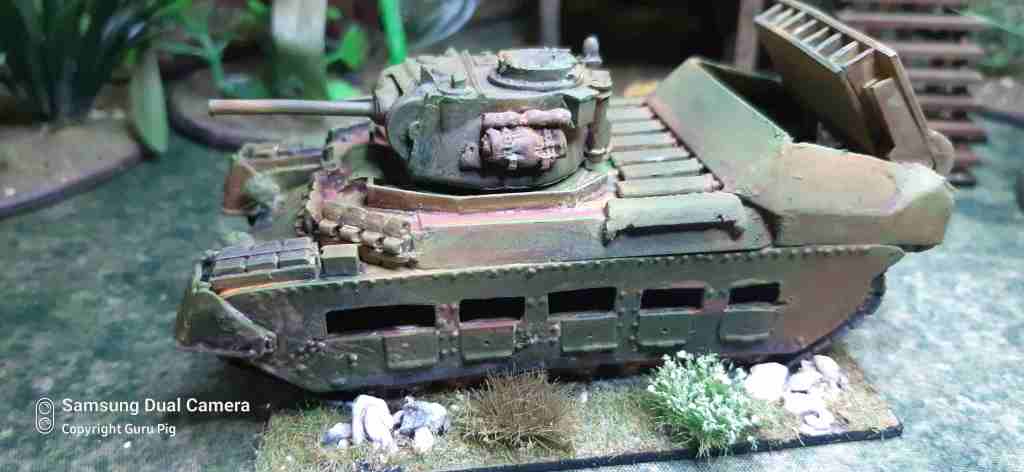
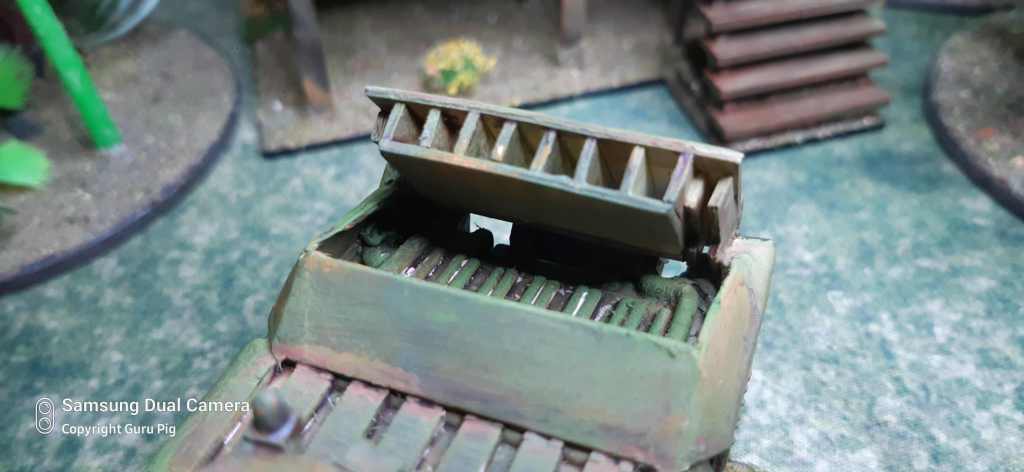
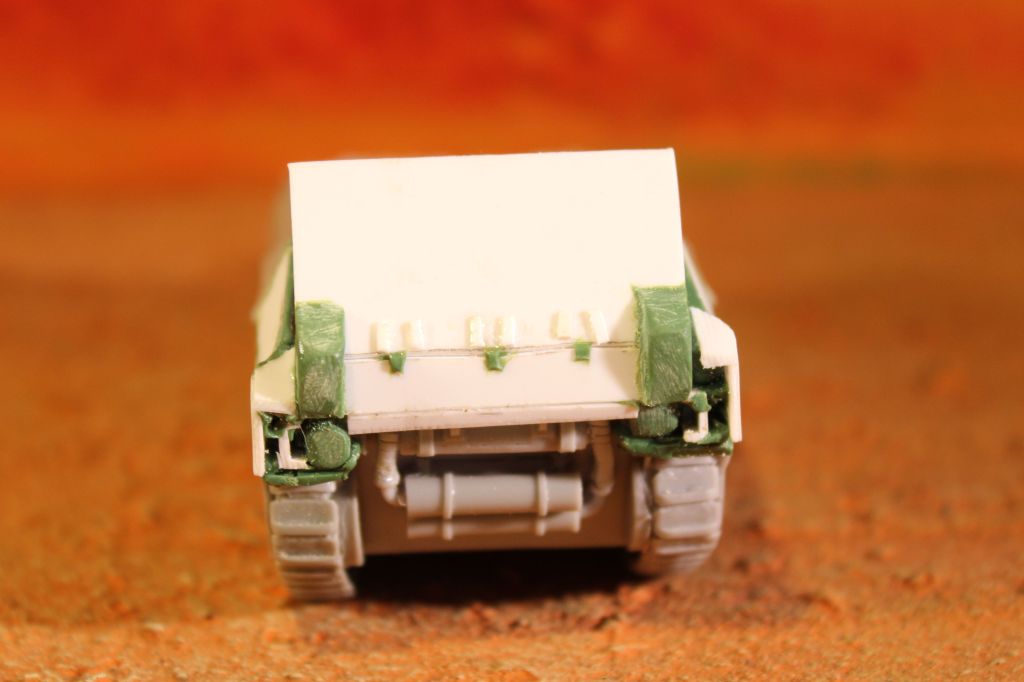
Below are some photos of his excellent work supplied by the craftsman himself.
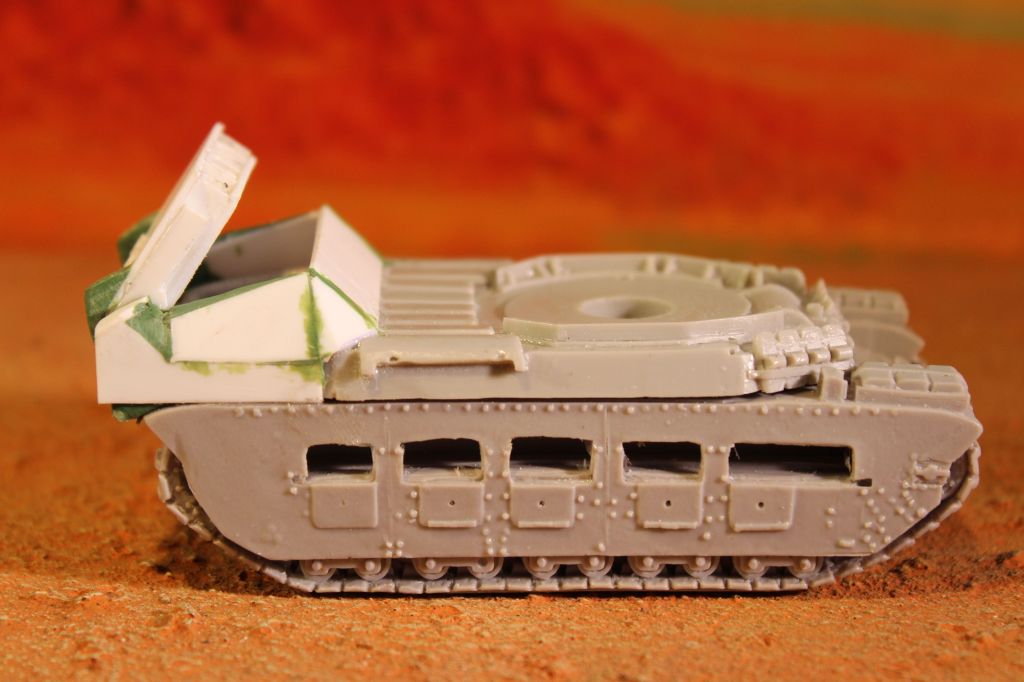
The chassis is that of the Warlord Games Australian Matilda that I had delivered to Dave to work on.
This was, however, not without its dramas. When it arrived in Australia I received a note in the letterbox from Australia Post that it was an incorrectly addressed and would be returned to sender. Strange when they knew what address to send the notice to! This was about three months after Dave had posted it.
I rang up Australia Post to try and stop the return of the package only to find that they had already sent it on its way back to Dave, @#$%^!

Anyway a further three months and the parcel arrived back in the United Kingdom, Royal Mail and Australia Post are nothing if not consistent with one another!
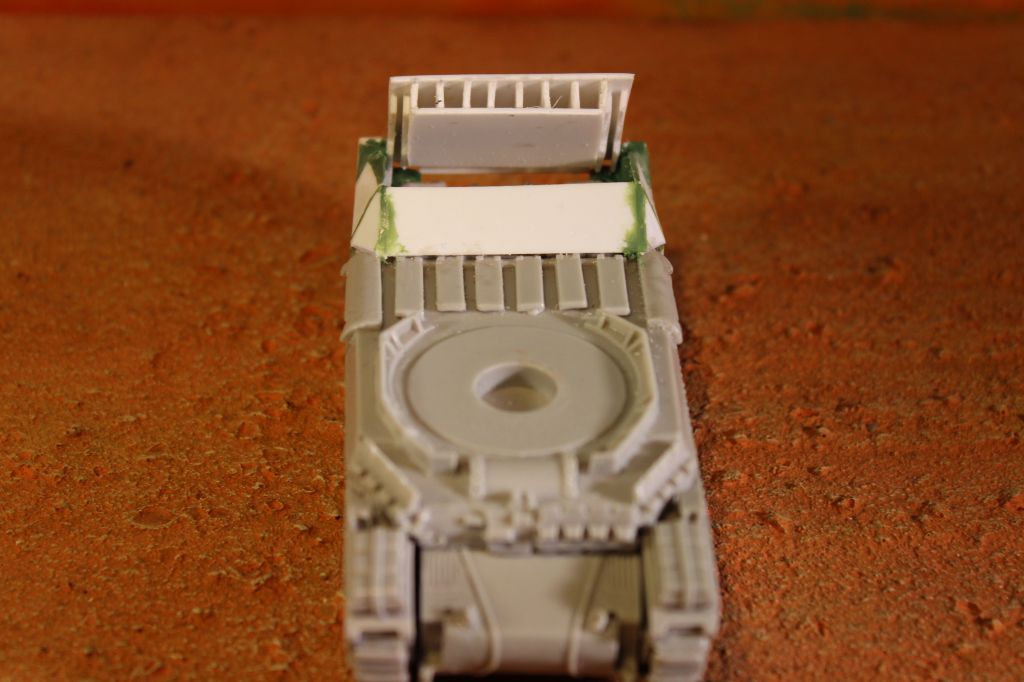
The third trip began in early December and arrived yesterday! Yippee!
Anyway back to the Hedgehog! At the end of 1944, the Australian military proposed the creation of a new engineering tank based on the existing Mk II infantry version. The Matilda II armoured vehicle was notable for its powerful armour, which reliably defended most Japanese anti-tank guns, and could approach the enemy without concern. The exception was at Tarakan where the Japanese deployed 90mm anti-aircraft guns and very efficiently dealt with 5 attacking Matilda tanks.
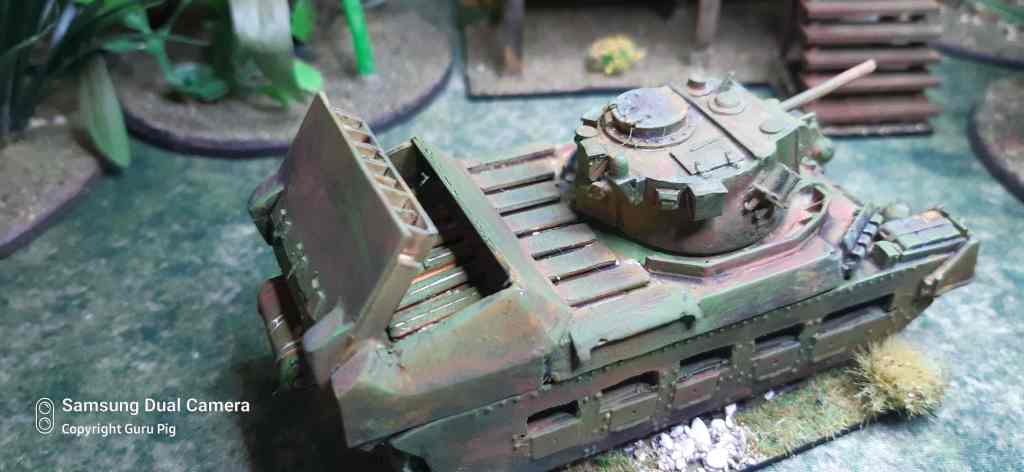
However, with the exception of the Matilda IICS, it was little use against enemy fortifications. It became necessary to develop some other weapon with a higher destructive power.


A solution to the problem was found. The tank was supposed to preserve the existing cannon and machine guns, and to solve the special problem of the Japanese bunkers it had to install a new weapon system.
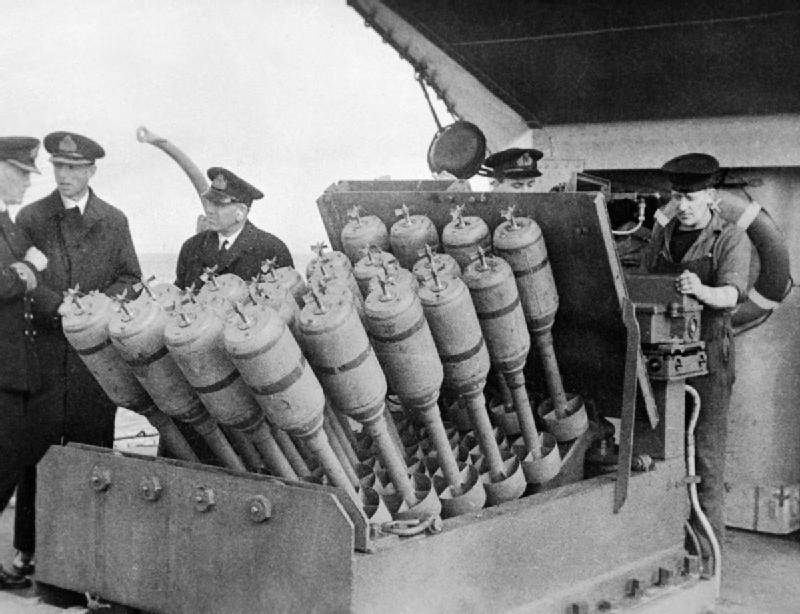
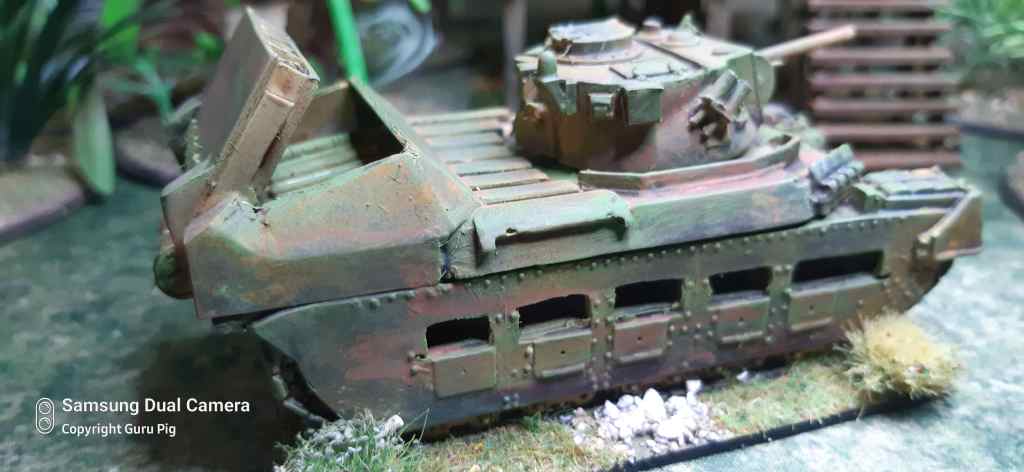
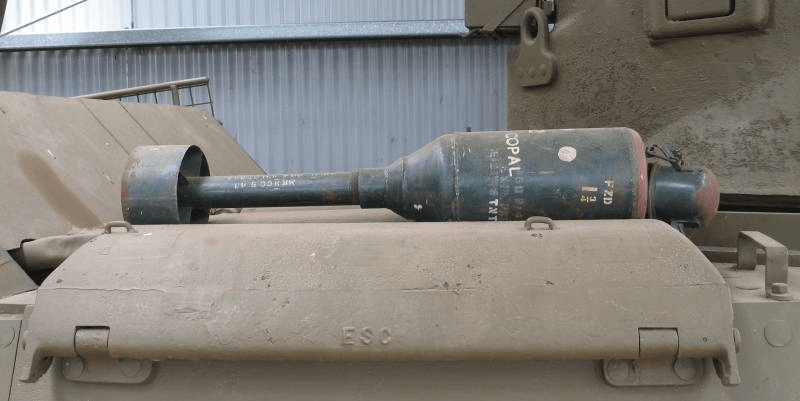
As a means with increased destructive power, the Navy’s Hedgehog anti-submarine bombs were proposed. The depth charges differed in having a larger mass and larger charge, sufficient for reliable destruction of enemy fortifications.
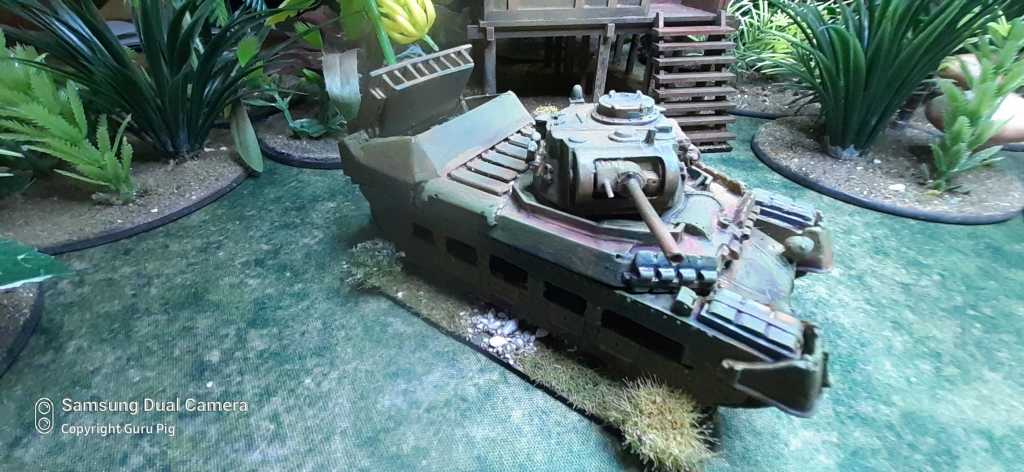

According to the results of tests, the new model of military equipment was recommended for adoption in service and mass production. Soon, the Australian industry upgraded several infantry tanks, making them engineering vehicles. The spigot mechanism could launch multiple 63kg-mortar bombs, in a propelling rack attached to the rear of the tank with a range of about three hundred yards.
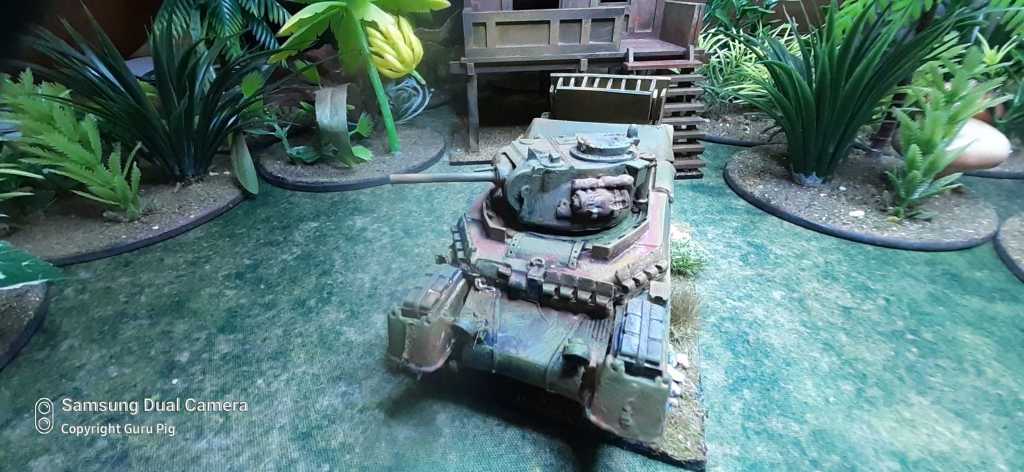
Only a few such machines were made. All the available Matilda Hedgehog were soon transferred to the army and sent to the Pacific front. Straight from Australia, the equipment was delivered to Bougainville and had an opportunity to take part in a few conflicts.
However, the mass production of engineering tanks was too late to have any significant impact.
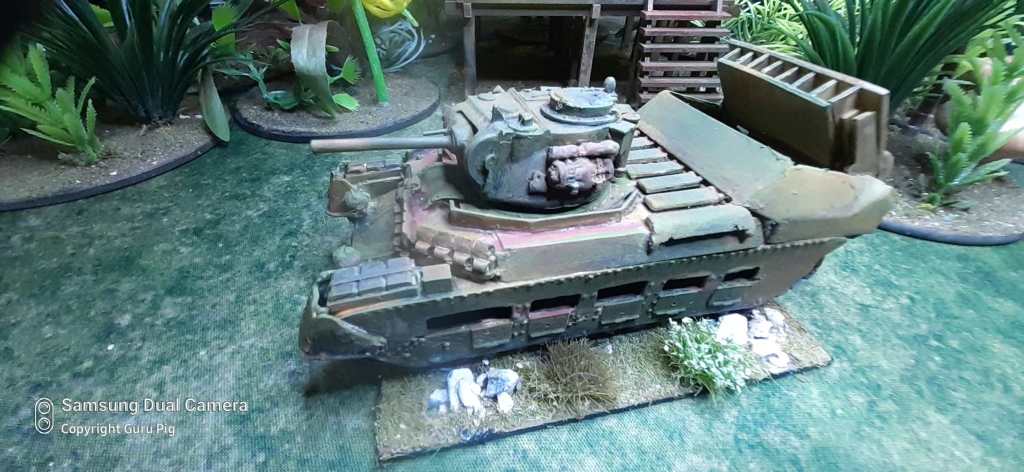
By the time a sufficient number of Matilda Hedgehog tanks appeared, the main battles in the Pacific Ocean were over, and the war was coming to an end.

They did prove useful in attacking and destroying enemy bunkers in the few engagements they appeared in Borneo.
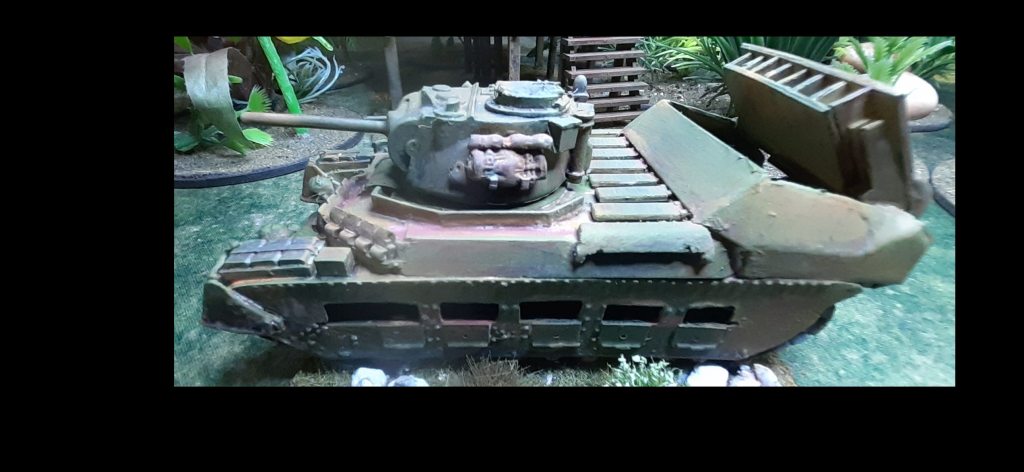
Finally completed my Australian Matilda II collection. Thanks Dave!

Top left Hedgehog, Top right Dozer. Bottom left to right Matilda II, Matilda II Close Support, and Murray flame thrower tank.
So glad this model is finally in it’s forever home, and you’ve done an excellent job on the painting Dave
Thank s Dave – a model I have always wanted is now in the collection!
That looks great- it is a well travelled kit.
Cheers,
Pete.
Sure is and it will get its first run in our Balikpapan battle.
Interesting stuff, and cheers to you and Dave!
Thanks ToT been a trial but worth it in the end.
Very nice work by both yourself and Dave. I reckon it would feel pretty good to finally have that saga completed!
Sure does.
Lots of miles on that hedgehog! Wow, the model came out great. Amazing that a naval AS weapon was used as a mortar on land – though with a 300 yard range and a bomb of that weight (the explosive was around 30 lbs each), plus the propellant over the vehicle, I’d imagine firing would necessitate buttoning up.
Thanks Mark.