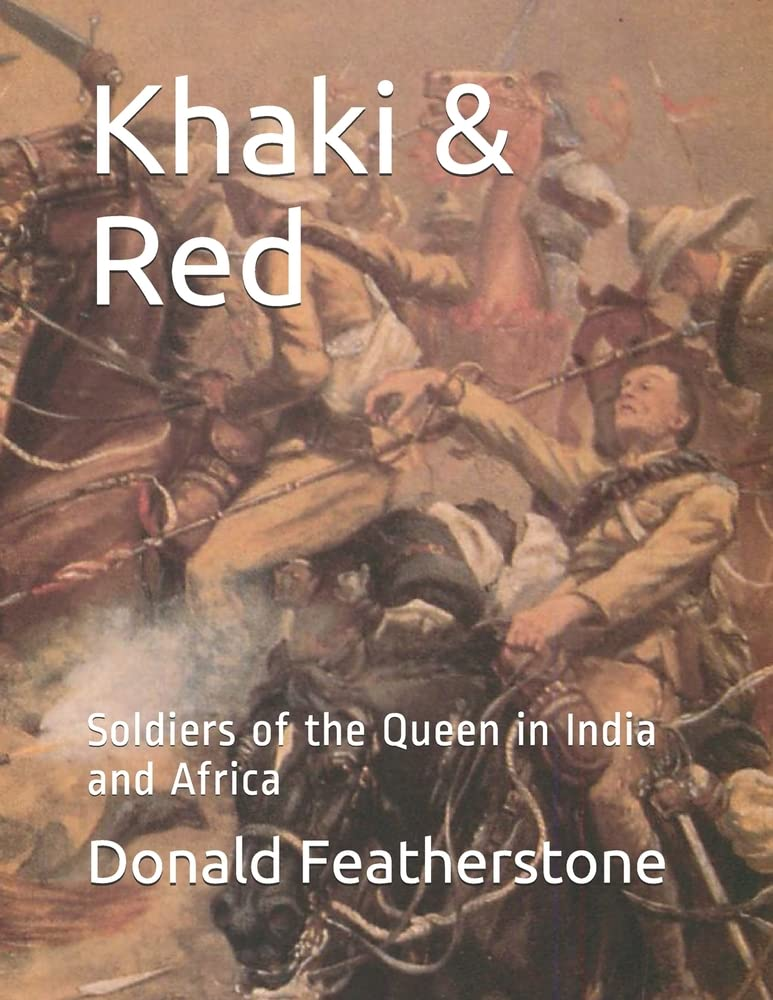
I picked this book up from Amazon. I have many of Donald Featherstone’s books in my library and even more that I have read. Although it was a period he much loved I was not interested very much in the Colonial wars until we started playing Men who Would Be Kings and Rebels and Patriots on a more regular basis.
Featherstone served in the Royal Armoured Corps during World War II, then became a physiotherapist. He worked for Southampton Football Club and Hampshire County Cricket Club, and wrote books on sports, dance, and work injuries.
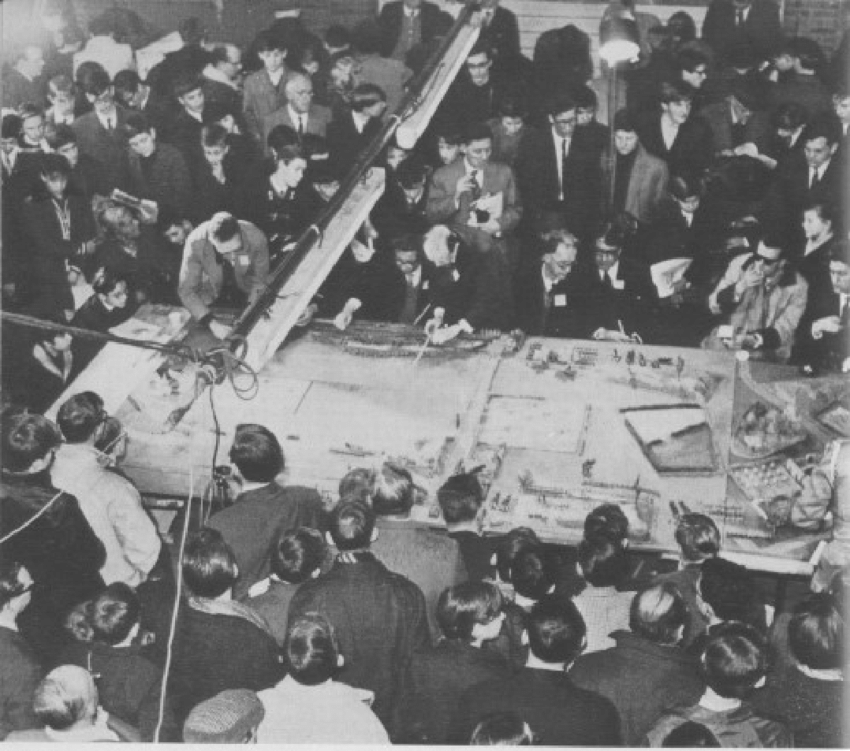
One of Donald Featherstone moments; public, TV Crews and the press assembled to see the Battle of Waterloo fought 150 years later in the Duke of York’s Headquarters, Chelsea, London, 1965. This was probably the first televised wargame and was a key moment in the growth of the hobby in the UK and Commonwealth.
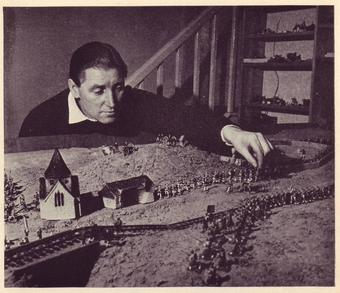
Later, he turned his attention to his childhood hobby of toy soldiers, writing dozens of books on the subject and becoming instrumental in the development of wargaming as a pastime, captivating enthusiasts around the world with his deep insights and innovative approaches. His passion for the miniature figures not only rekindled his own childhood memories but also inspired a new generation of players and collectors eager to engage in strategic battles on their tabletops. Additionally, he wrote several comprehensive books on military history, meticulously detailing significant conflicts, renowned generals, and the evolution of tactics over the centuries, which further cemented his position as a prominent figure in both the realms of gaming and historical literature.

India, Africa, the north-west frontier, the Sudan, and Egypt were all significant signposts in the life of Victoria’s foot-soldiers as they valiantly defended their monarch’s expansive realm throughout the world. This volume intricately tells the story of the brave men who wore khaki and red, who not only faced the ferocious action and warfare that defined their era but also endured the hardships of distant lands, cultural clashes, and the relentless march of time. They forged bonds of camaraderie under the harshest conditions, battled against formidable foes, and their valor became the stuff of legend, echoing through the corridors of history and ensuring that their sacrifices were never forgotten.
The title is somewhat misleading because it doesn’t encompass all British campaigns across the vast regions of India and Africa; instead, it mainly concentrates on the North-West Frontier and the historical contexts of Egypt and Sudan, leaving southern Africa untold and overlooked. This selective focus invites readers to delve deeply into the complexities of these specific areas. Don consistently offers an engaging and thrilling read, captivating the audience with his narrative style. Furthermore, this book is notably well-illustrated, featuring not just any images, but vivid and striking depictions sourced from contemporary illustrated papers, which enhance the reading experience by providing a visual connection to the historical events being discussed.
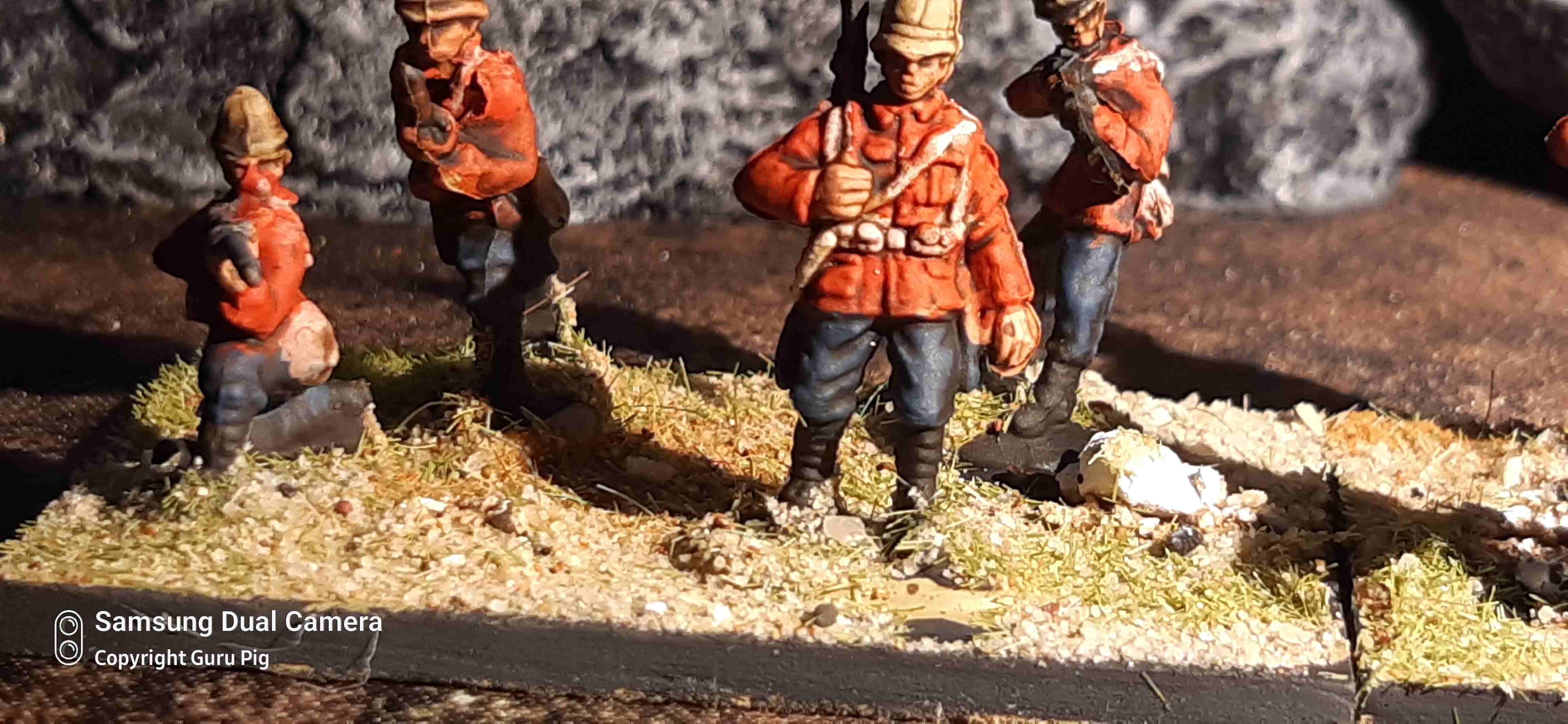
While there isn’t much new in this book, fans of Don’s other Colonial works will recognize much of it. The familiar themes and styles will undoubtedly evoke a sense of nostalgia for those who have followed his career closely. Additionally, it features detailed line drawings of weapon and uniform styles that are both aesthetically pleasing and informative, providing readers with a visual context that enhances their understanding of the era. However, it’s worth noting that these illustrations, while beautifully rendered, were already seen twenty years ago in Don’s earlier work, Weapons and Uniforms of the Victorian Soldier, which could potentially leave seasoned readers longing for new insights or innovative designs. Overall, the book serves as a valuable reference point for enthusiasts while highlighting the continuity of historical representation across Don’s bibliography.

This book offers a vibrant introduction to its historical period through vivid descriptions and engaging narratives. It provides insightful analyses and illustrations that cater to both newcomers and those familiar with the subject, delivering unique interpretations that can enhance understanding and inspire further exploration.
Being new to this period I found it extremely useful and full of lots of scenario ideas.
Thanks for posting this, Dave! 🙂 I think I’ll have a look at it!