I have quite a few book acquisitions to work through at the moment, and have just finished this one.

Michael A. McDonnell is an associate professor of history at the University of Sydney. He is the author of The Politics of War: Race, Class, and Conflict in Revolutionary Virginia, winner of the 2008 New South Wales Premier’s History Prize, and coeditor of Remembering the Revolution: Memory, History, and Nation-Making from Independence to the Civil War. His work was included in the Best American History Essays 2008 and he won the Lester Cappon Prize for the best article published in the William and Mary Quarterly in 2006. He has received numerous research scholarships and grants in the United States and Australia and has served as a distinguished lecturer for the Organization of American Historians. He lives in Sydney, Australia.

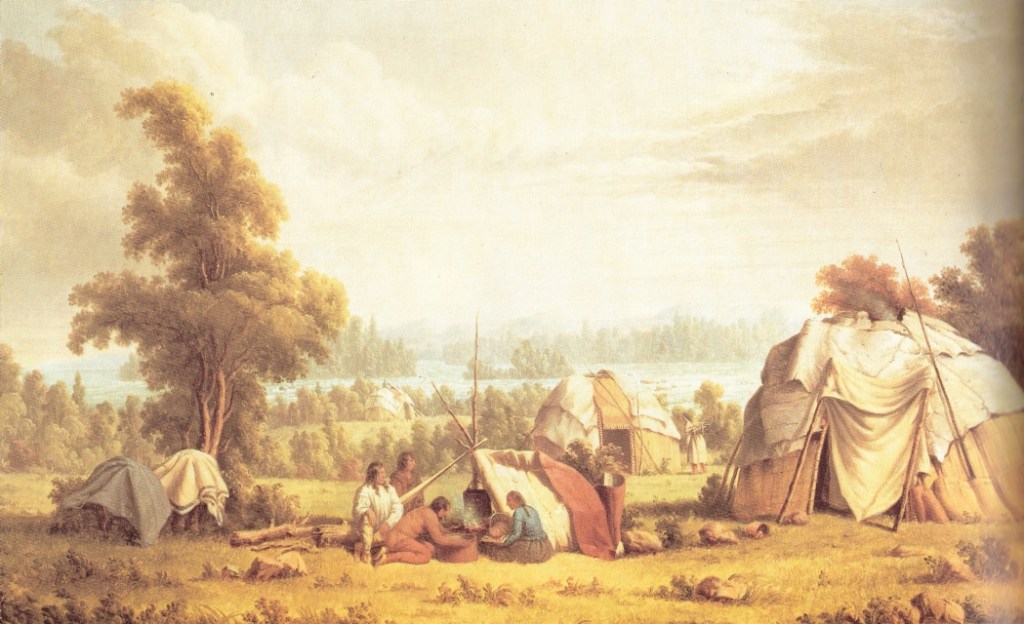
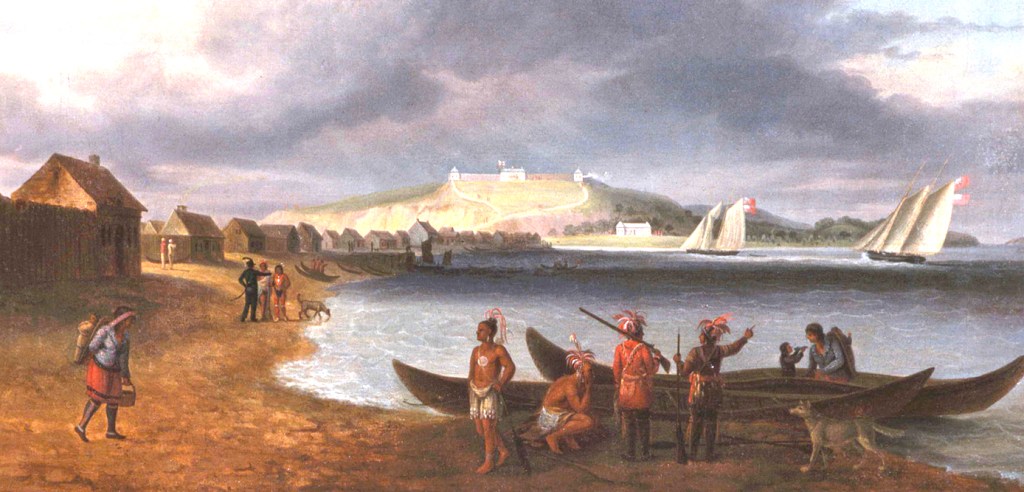
In Masters of Empire, the historian Michael A. McDonnell reveals the vital role played by the native peoples of the Great Lakes in the history of North America. Though less well known than the Iroquois or Sioux, the Anishinaabeg, who lived across Lakes Michigan and Huron, were equally influential. Masters of Empire charts the story of one group, the Odawa, who settled at the straits between those two lakes, a hub for trade and diplomacy throughout the vast country west of Montreal known as the pays d’en haut.
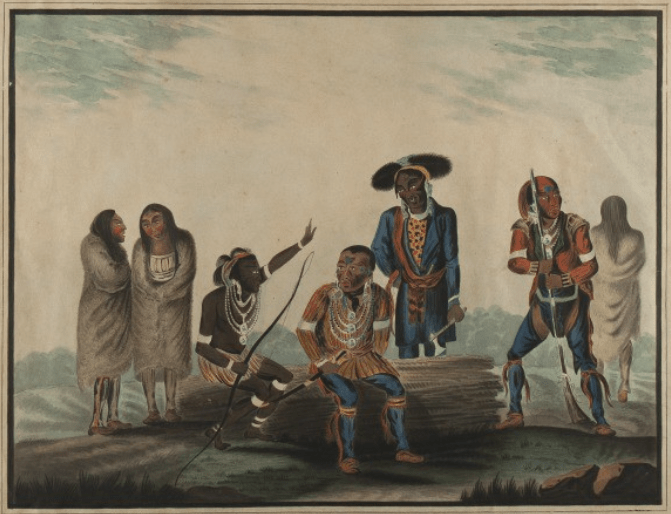
Highlighting the long standing rivalries and relationships among the great Indian nations of North America, McDonnell shows how Europeans often played only a minor role in this history, and reminds us that it was native peoples who possessed intricate and far reaching networks of commerce and kinship. As empire encroached upon their domain, the Anishinaabeg were often the ones doing the exploiting. By dictating terms at trading posts and frontier forts, they played a crucial part in the making of early America.
Through vivid depictions – all from a native perspective – of early skirmishes, the French and Indian War, and the American Revolution, Masters of Empire overturns our assumptions about colonial America.
By calling attention to the Great Lakes as a crucible of culture and conflict, McDonnell reimagines the landscape of American history. Goodreads
“Insightful and evocative, Masters of Empire compels us to rethink colonial America by restoring native peoples to the center of the story. Along vast waterways in the heart of a continent, natives controlled the intrusive but weak officials and traders of distant empires. Mike McDonnell brilliantly recovers and deftly narrates a tale of resourceful persistence by the Anishinaabeg.”
— Alan Taylor, University of Virginia, author of The Civil War of 1812: American Citizens, British Subjects, Irish Rebels, & Indian Allies
“With elegant prose and a keen eye for detail, Michael McDonnell brings to life the dynamic world of Great Lakes Indians in the seventeenth and eighteenth centuries. This is Native-centered history at its best, revealing how the Odawa and their neighbors not only controlled their own destinies in the face of colonialism, but also shaped the fabric of American life for many generations. A powerful story expertly told.”
— Brett H. Rushforth, College of William and Mary, author of Bonds of Alliance: Indigenous and Atlantic Slaveries in New France

I found this an excellent read that opened my eyes to the sophisticated First nations societies, their politics and their relationships with other nations and the new settlers. We are taught to believe about the “noble savage” not about highly sophisticated cultures.
I cannot recommend this book highly enough.
Sounds like a very interesting read Dave, thanks for sharing your thoughts.
Thanks Dave. it gives a completely different perspective.