No I am not talking about the 60’s English pop band with their number one hits “Hot Love”, “Get It On”, “Telegram Sam” and “Metal Guru” (nice title), but that big lizard with big jaws that go chomp chomp chomp.

Tyrannosaurus was a powerful apex predator with strong jaws containing 60 teeth designed for gripping and tearing flesh. Its bite was significantly stronger than a lion’s, allowing it to hunt effectively. Fossil evidence shows it could break bones and consumed large herbivores like Triceratops and Edmontosaurus. Fossilized dung reveals its diet and hunting behaviors, contributing to our understanding of prehistoric ecosystems and the dominance of this formidable creature.

The Tyrannosaurus skull was approximately 1.5m long, reflecting its massive size and highly developed olfactory system. Its keen sense of smell allowed it to hunt live prey and locate carrion from great distances, enabling it to dominate its territory and secure food without competition, which was crucial for survival in the late Cretaceous period. This ability was integral to its hunting strategy, allowing it to thrive in a competitive ecosystem.

Some Tyrannosaurus fossils show bite marks from other tyrannosaurs, indicating fights that likely occurred over food or mates, suggesting complex social behavior that influenced their survival. While fossils indicate that related species sometimes shared habitats, it is uncertain whether they hunted alone or in packs like modern social carnivores. The social dynamics of these predators remain a mystery, and no groups of Tyrannosaurus skeletons have been discovered, leading to speculation about their hunting strategies and territorial competition during the Late Cretaceous period.
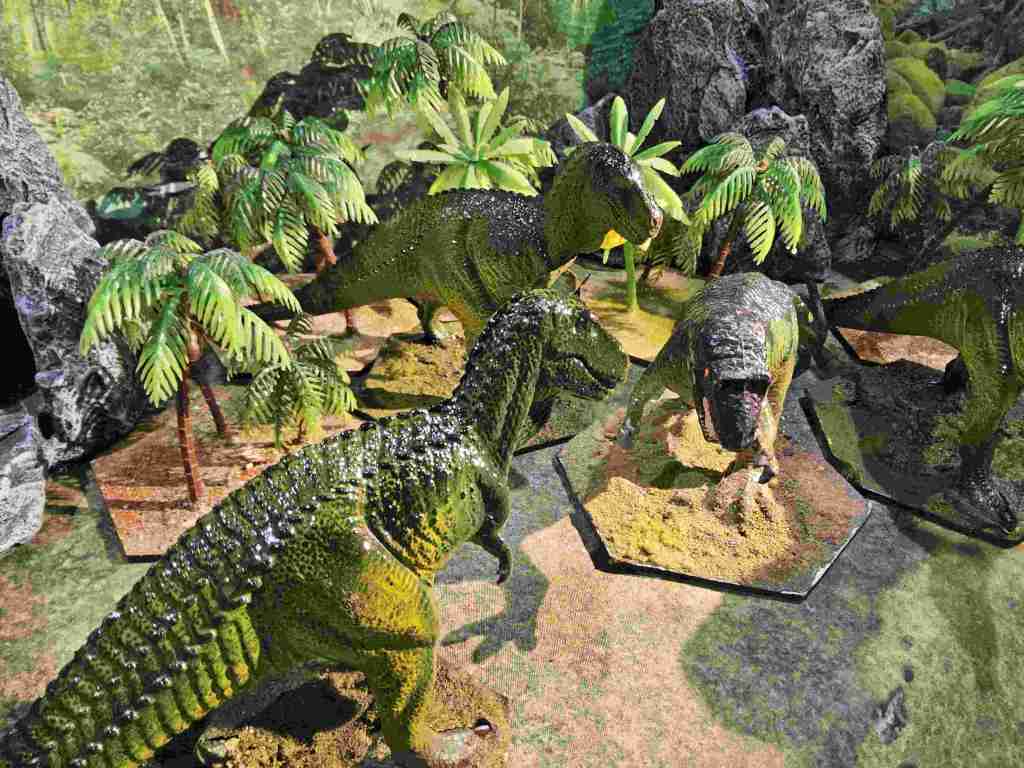
Triceratops and Ankylosaurus would be the most dangerous for the Tyranosaurus despite not being predators. Both had the weapons to be formidable opponents.


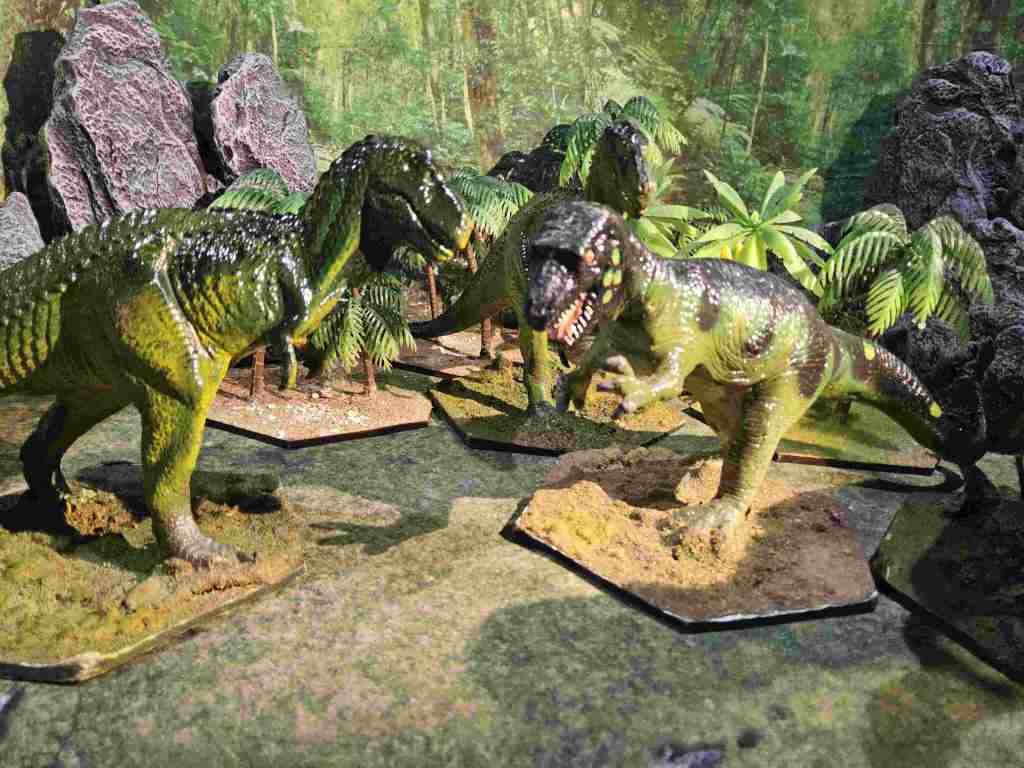


And for the grandkids, and the more intelligent form of parents (to paraphrase HG):