In 1825, Dr. Gideon Mantell, an English surgeon, geologist, and pioneering palaeontologist, made a significant discovery that would advance our understanding of prehistoric life. He identified several prehistoric teeth from East Sussex, which he later recognized as belonging to a large, herbivorous dinosaur species.
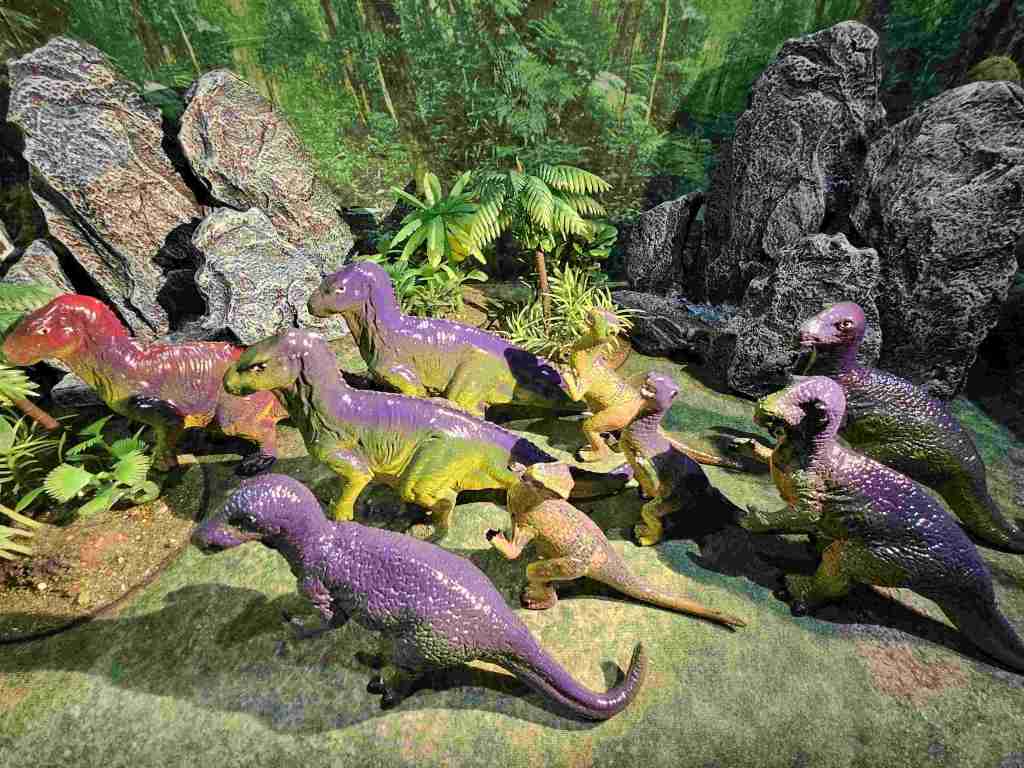
This groundbreaking finding sparked further interest in the study of fossils and contributed to the early development of paleontology as a scientific discipline, leading to numerous explorations and discoveries in the field.

They looked like those of an iguana but considerably larger, so Mantell named his newfound discovery Iguanodon. This fascinating creature, with its unique bone structure and distinctive thumb spikes, represented a significant leap in our understanding of prehistoric life. Its massive size and herbivorous diet suggested that it roamed the lush, verdant landscapes of the Mesozoic era, feeding on the abundant flora.

Mantell’s research brought to light this incredible species, sparking interest and curiosity among paleontologists and the general public alike, ultimately paving the way for future discoveries in the field of paleontology.
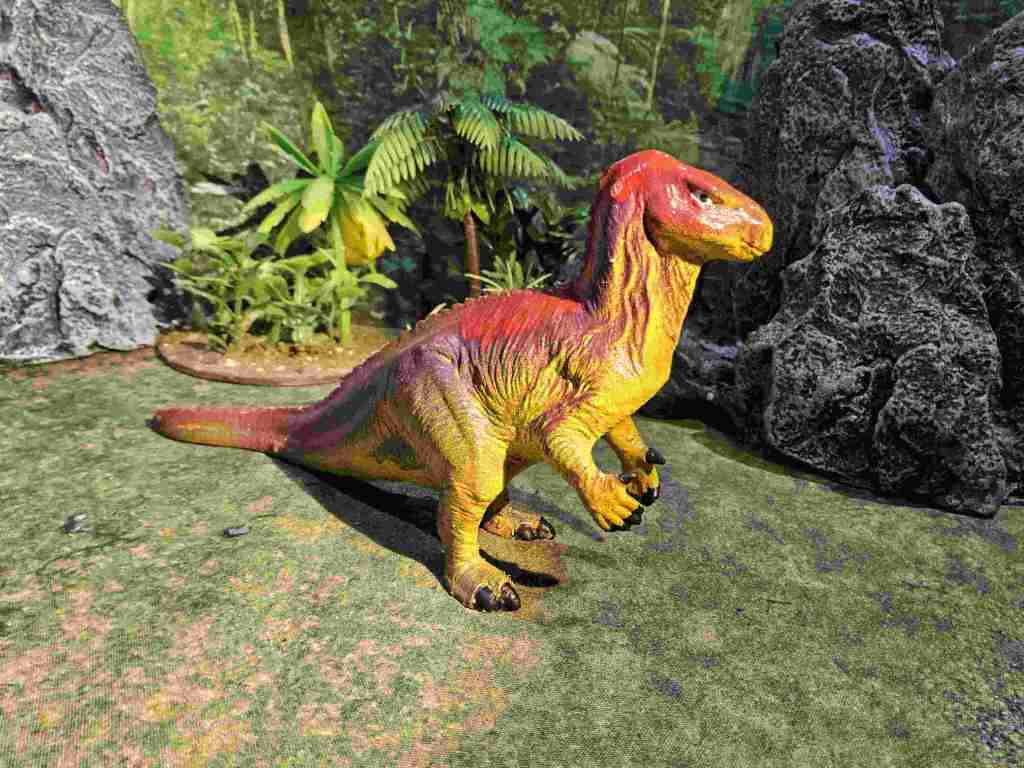
A male Iguanodon
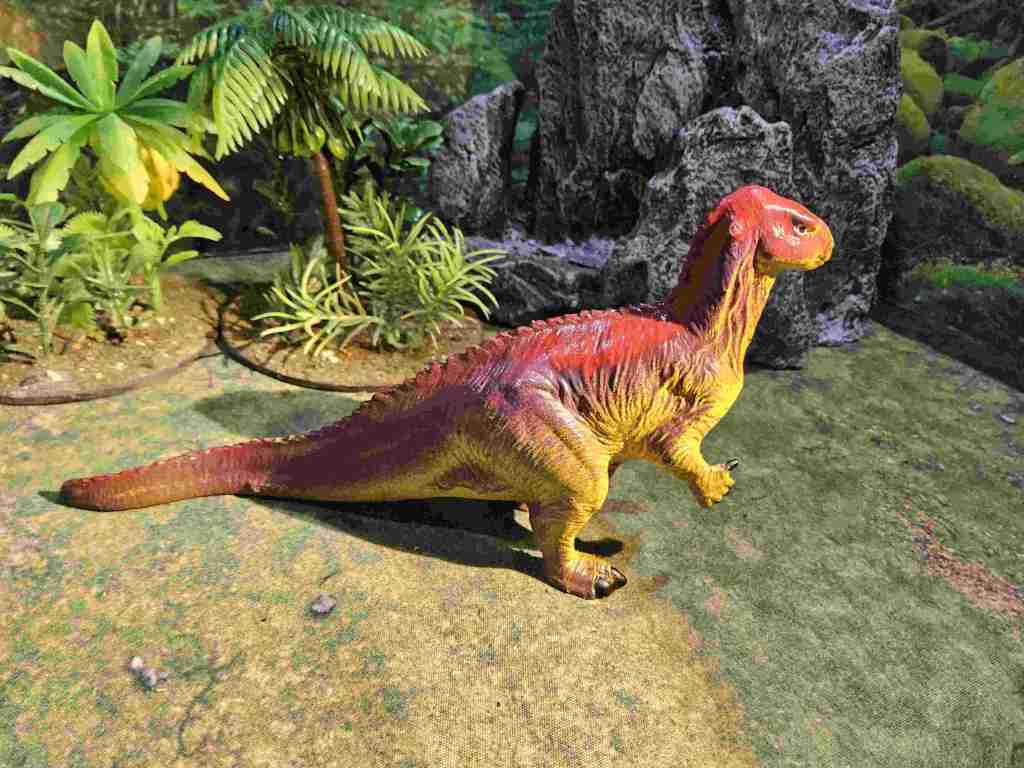
Iguanodon is a fascinating type of ornithopod dinosaur that lived between 139 and 122 million years ago during the Cretaceous period, a time when dinosaurs thrived and began to dominate the earth.
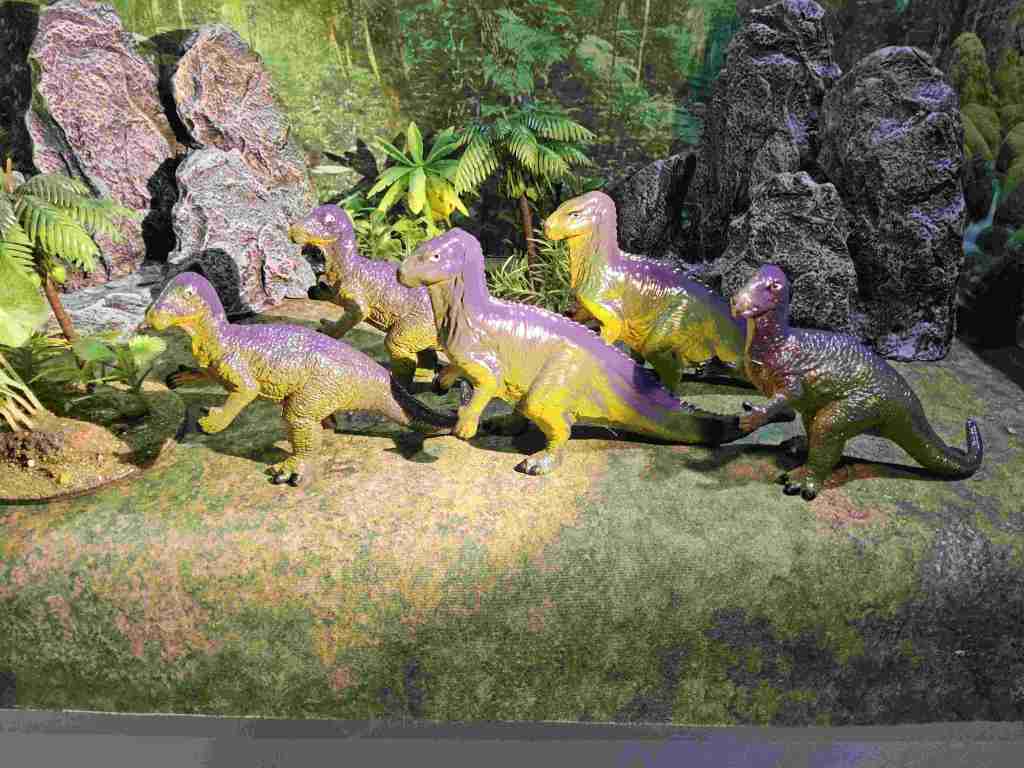
Female Iguanodon
It was notable for being the second dinosaur ever discovered and is recognized as one of the very first to be named, coming after Megalosaurus, which set the stage for future paleontological studies. Iguanodon was characterized by its distinctive thumb spikes and herbivorous diet, which allowed it to forage on a variety of plants that were abundant during its time.
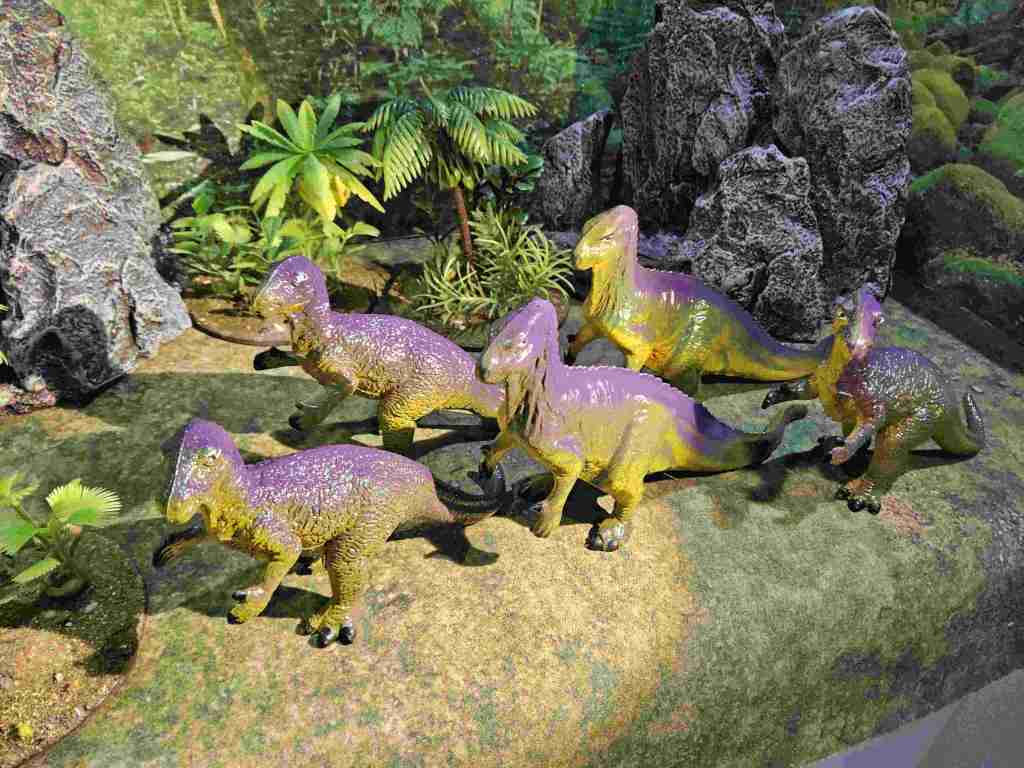
As part of its social behavior, it is believed to have lived in herds, providing safety in numbers while navigating the diverse ecosystems of the Cretaceous landscape.
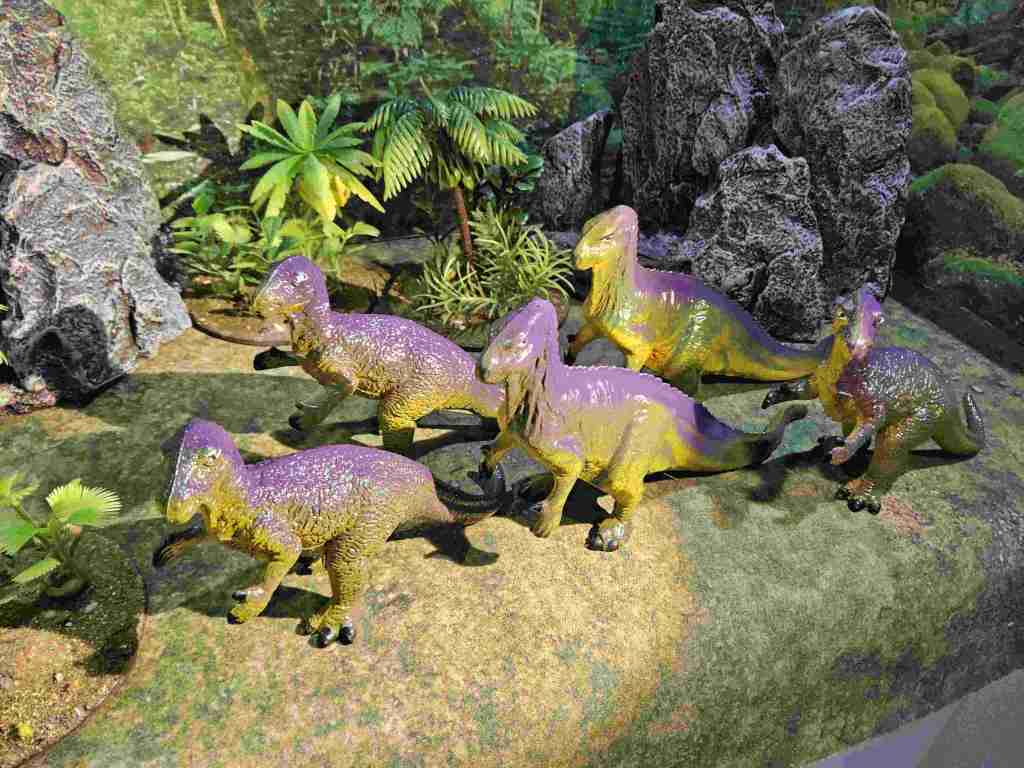
Iguanodon’s name means “iguana tooth” because of its iguana-like teeth, which were well-adapted for a herbivorous diet.
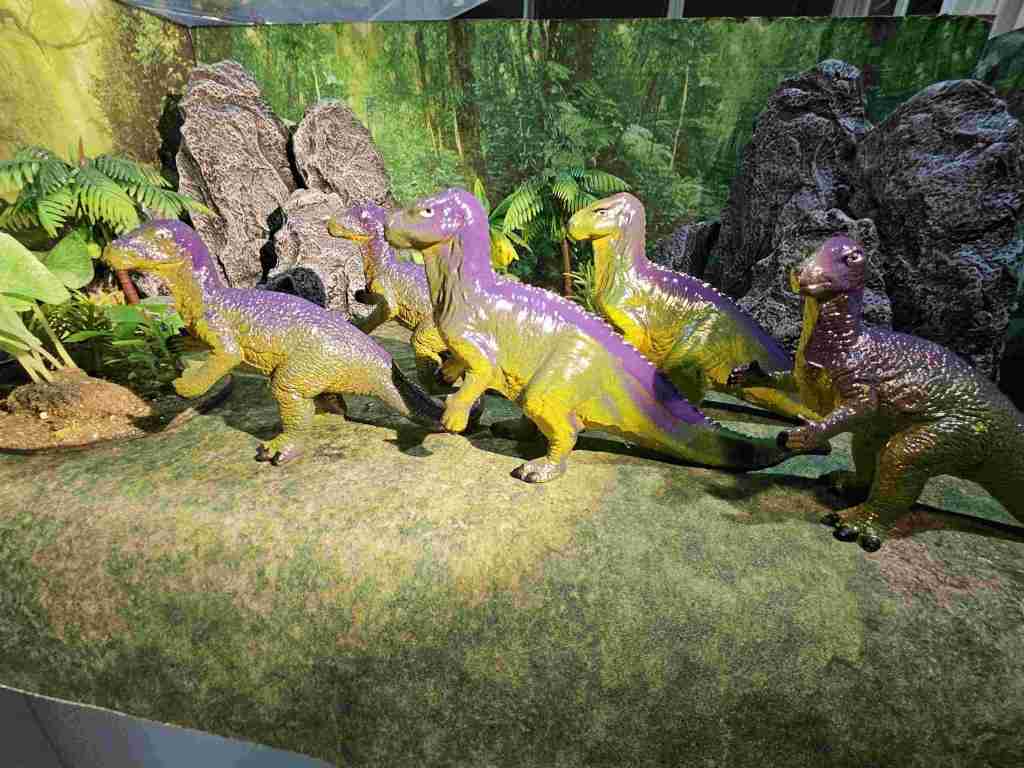
his remarkable dinosaur was the biggest member of its family, showcasing a robust body and strong limbs that allowed it to traverse the varied landscapes of its time.

Juvenile Iguanodon
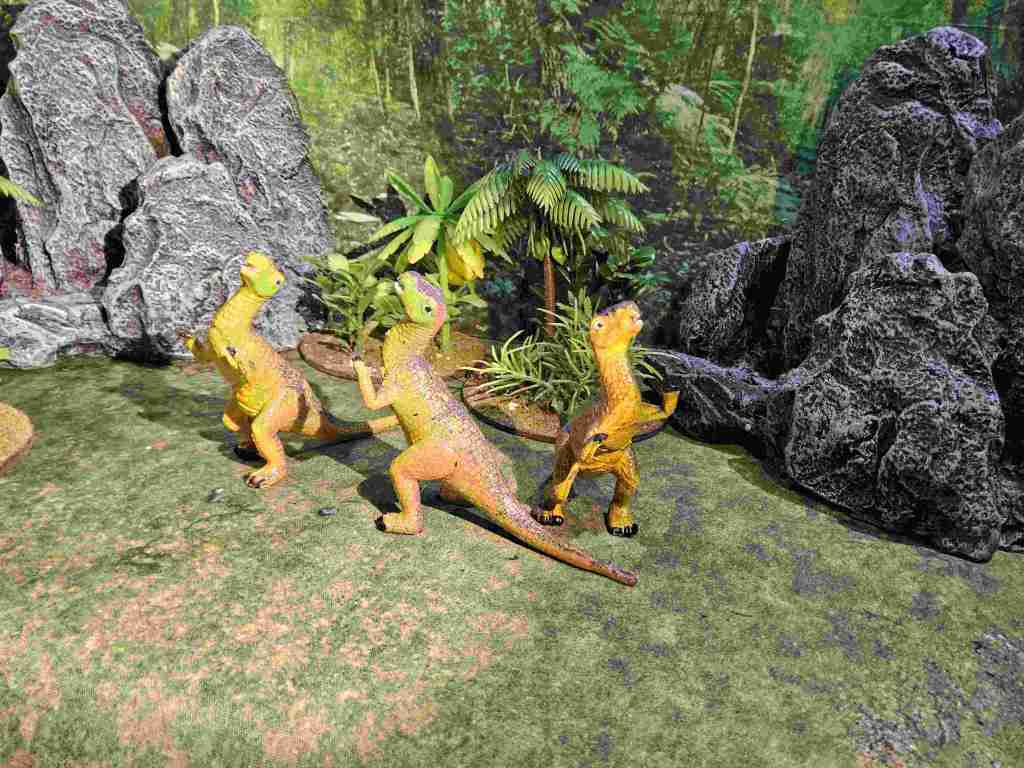
guanodon lived in Europe during the Late Jurassic to Early Cretaceous periods, primarily in what is now England and Belgium, where it likely roamed in herds.
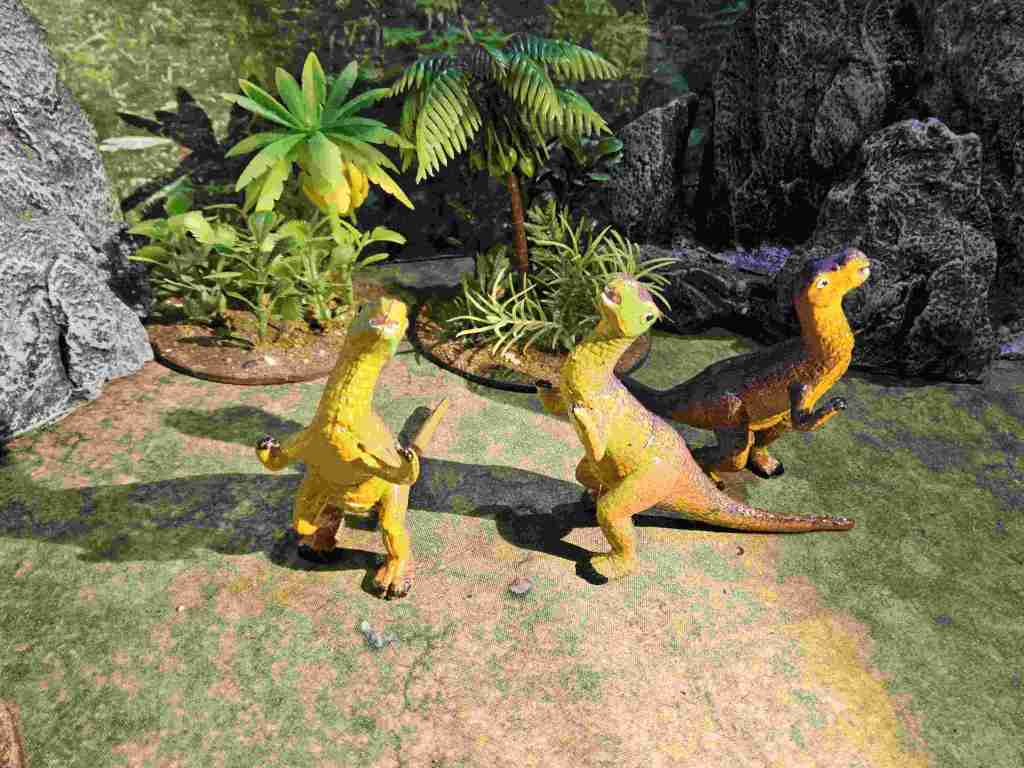
Its unique dental structure enabled it to efficiently chew tough plant material, making it a successful grazer in its environment.
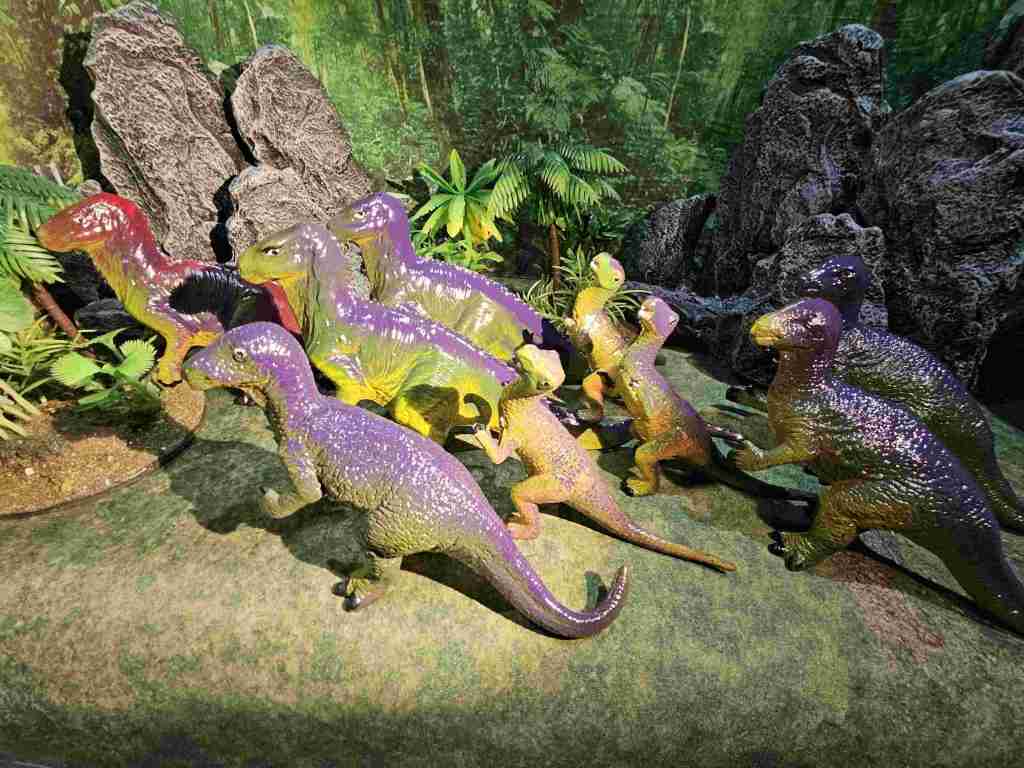
The complete
