Prior to the 18th century, the business of medicine was illegitimate. It was not down to an exact science, causing deaths to be equal to lives saved. However, doctors desired to learn more about the human body, and as a result dissections were the main way to gain an understanding, and required a large amount of fresh corpses.
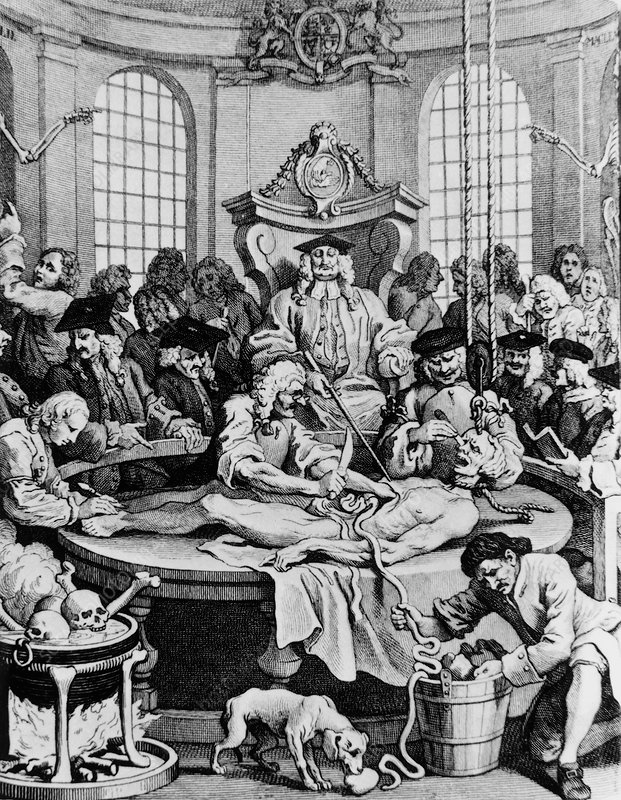
Before the Anatomy Act of 1832, the only legal supply of corpses for anatomical purposes in the UK were those condemned to death and dissection by the courts. Those who were sentenced to dissection by the courts were often guilty of capital crimes, such as murder, burglary, rape, and arson. However, in 1832, Parliament of the United Kingdom passed the Anatomy Act of 1832, which gave doctors and medical students the right to dissect donated bodies for education and research purposes. Although this act was created to stop the illegal trade off of corpses, it did not provide near enough corpses needed by medical schools annually, which could be up to 500 in number. This led to increased numbers of body snatching in the United Kingdom.
Interfering with a grave was a misdemeanour at common law, not a felony, and therefore only punishable with a fine and imprisonment rather than transportation or execution. However, dissection of these bodies and theft of items within the graves was illegal. This caused the body snatchers to only take the body and leave everything else behind in the grave.
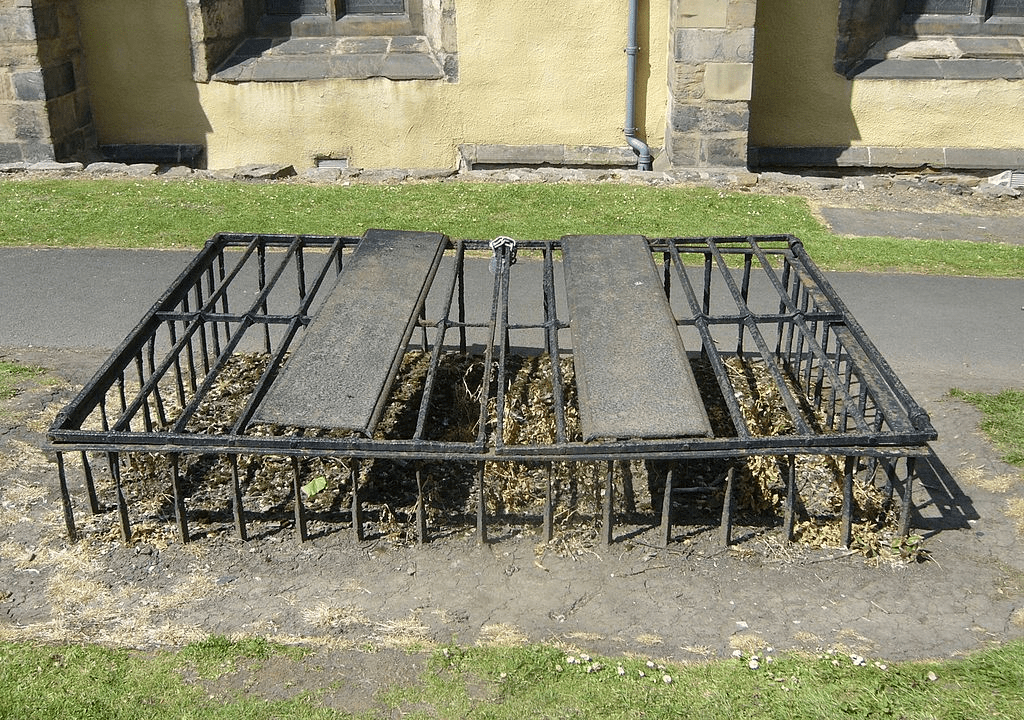
Relatives of the recently departed needed to watch the body prior to burial and to take precautions afterwards such as providing guards on the grave site or by the use of “mortsafes” like that above at Greyfriars Kirk in Edinburgh. (Information from Wikipedia)
Medical students and staff did not ask where the bodies came from. The trade was a sufficiently lucrative business to run the risk of detection, particularly as the authorities tended to ignore what they considered a necessary evil. Body snatchers had a small time window where they could dig up bodies before they began decomposing, so that the body could be embalmed. They had to remain undetectable while digging up the bodies and transporting them from the grave sites to the medical facilities to be sold.

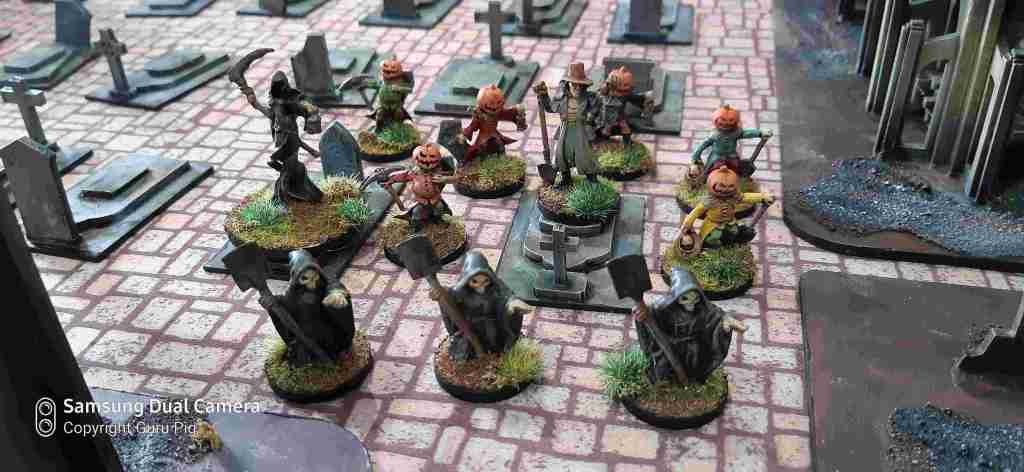
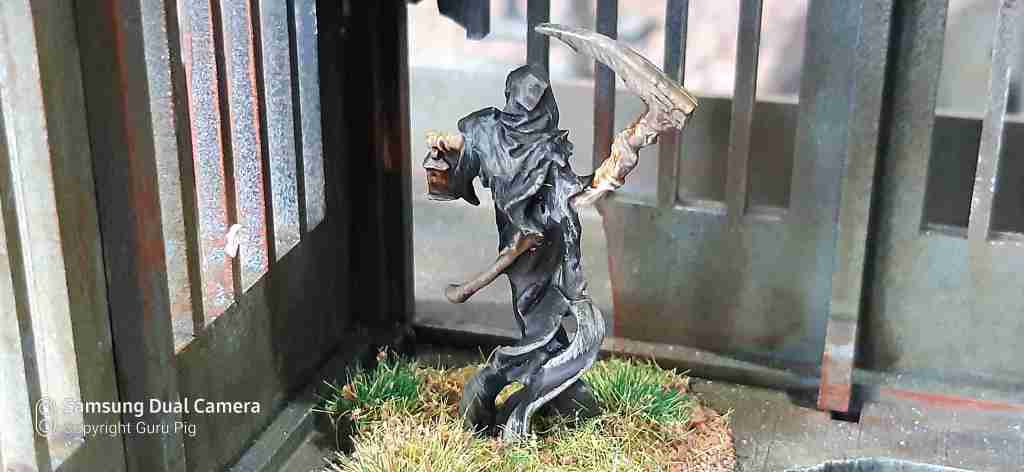
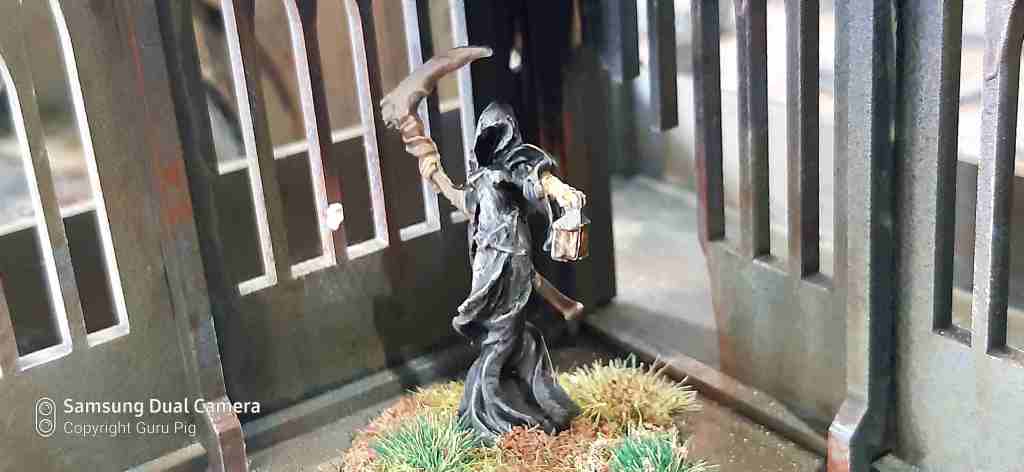
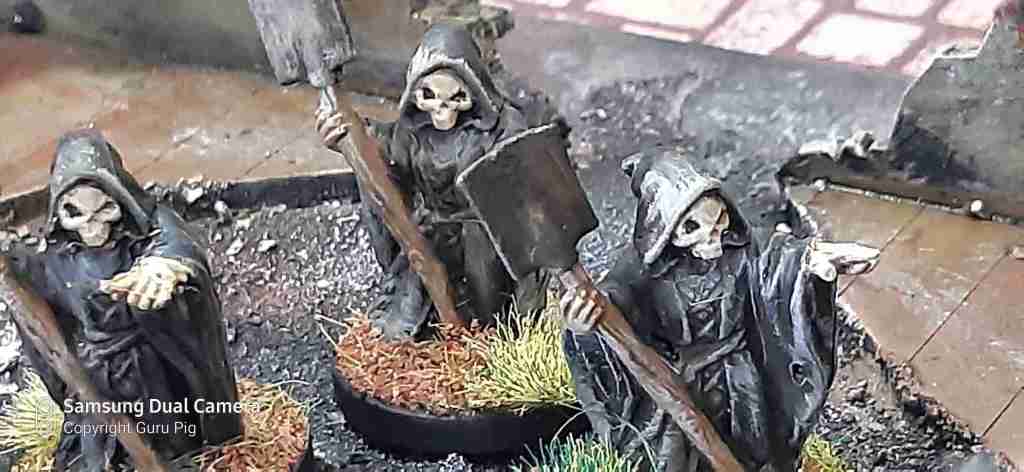
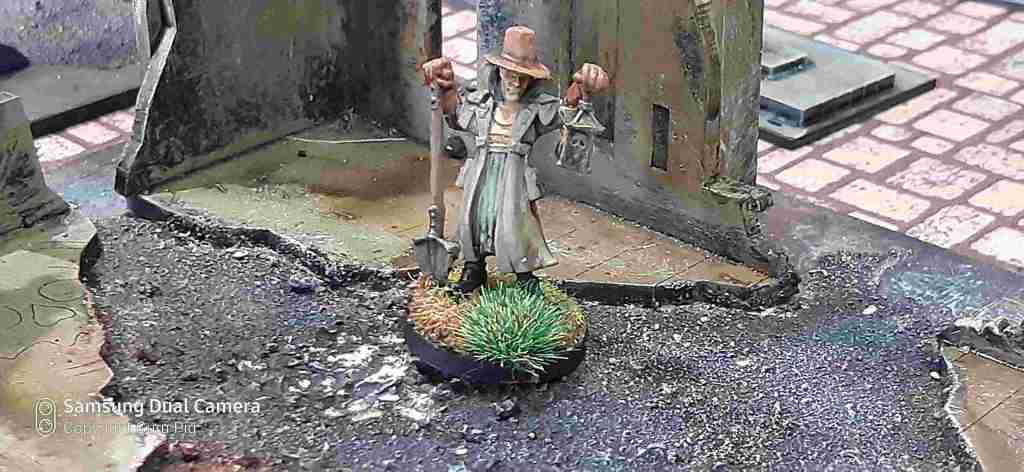
These are plastic Reaper miniatures from their Kickstarter and include the mysterious Dr Death, Thaddeus Mortis, The pumpkin gang of body snatchers and Dr Deaths three assistants.

The mysterious Dr Death, the head of a syndicate of body snatchers.
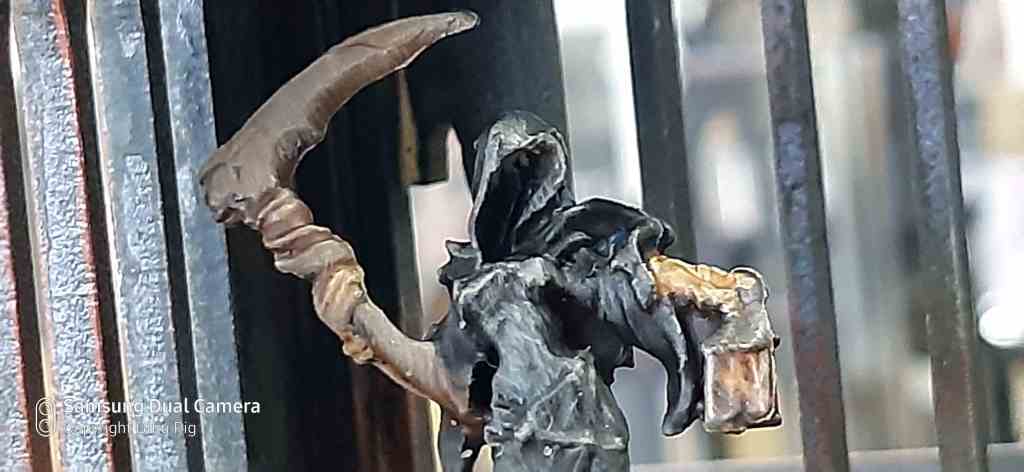
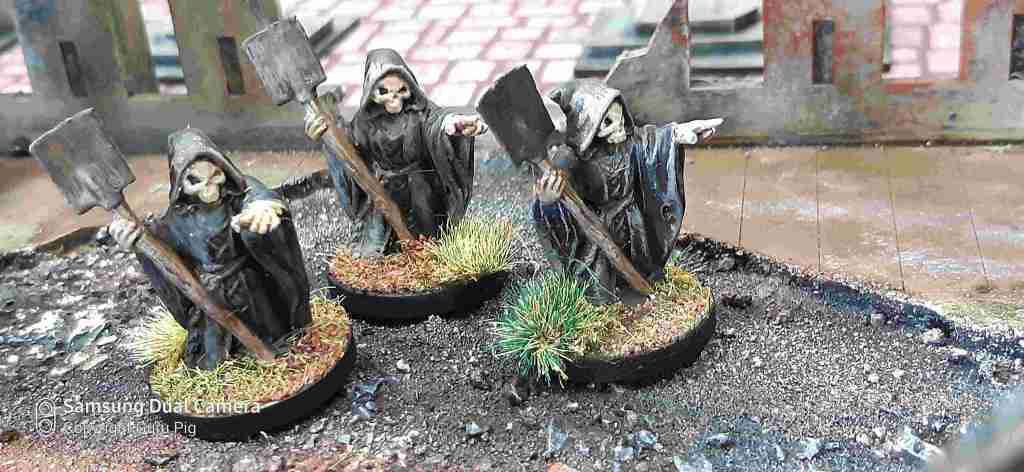
Dr Death’s assistants.
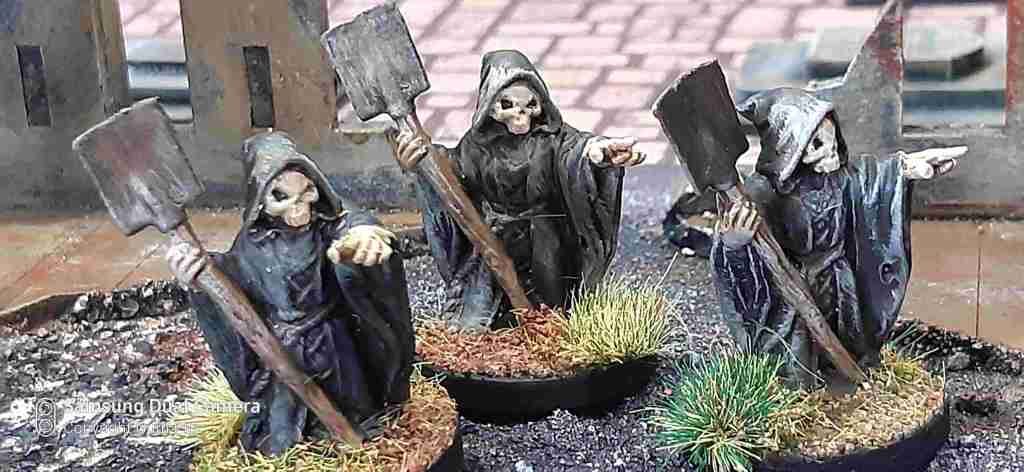
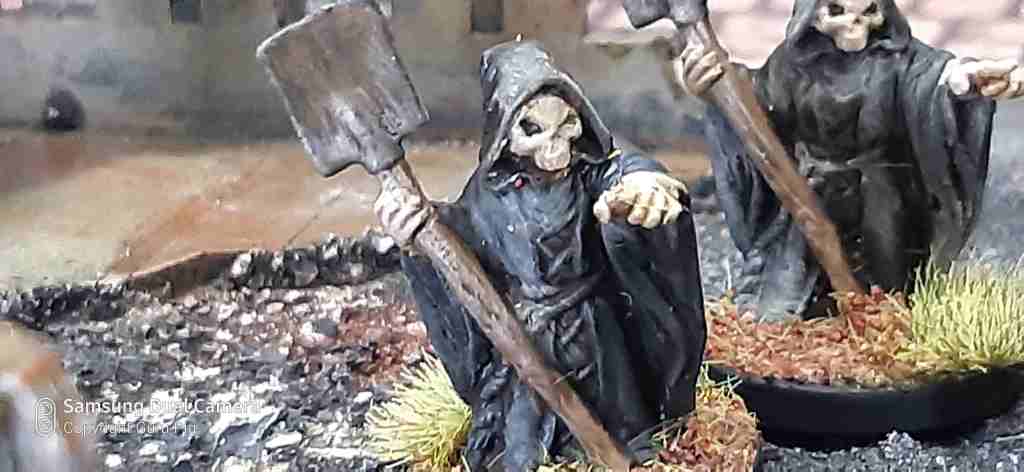
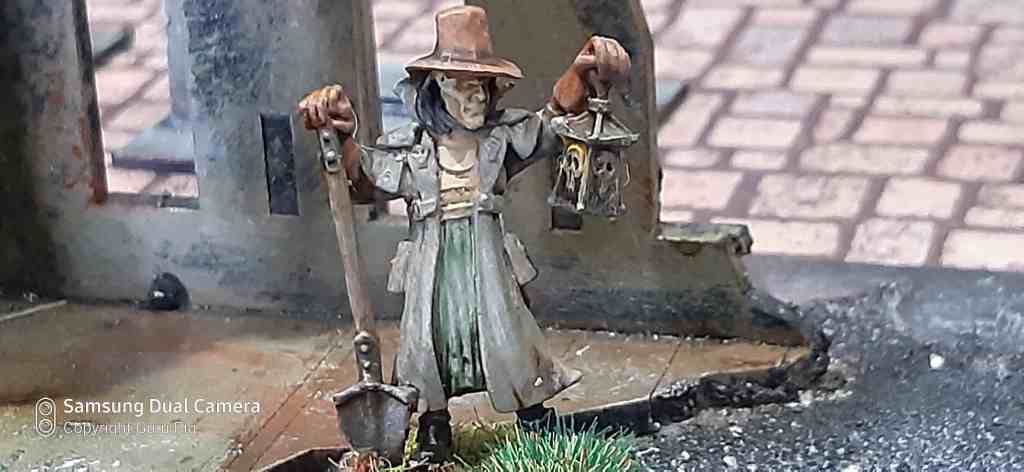
Thaddeus Mortis the undertaker and close compatriot of Dr Death.

The Pumpkin head gang
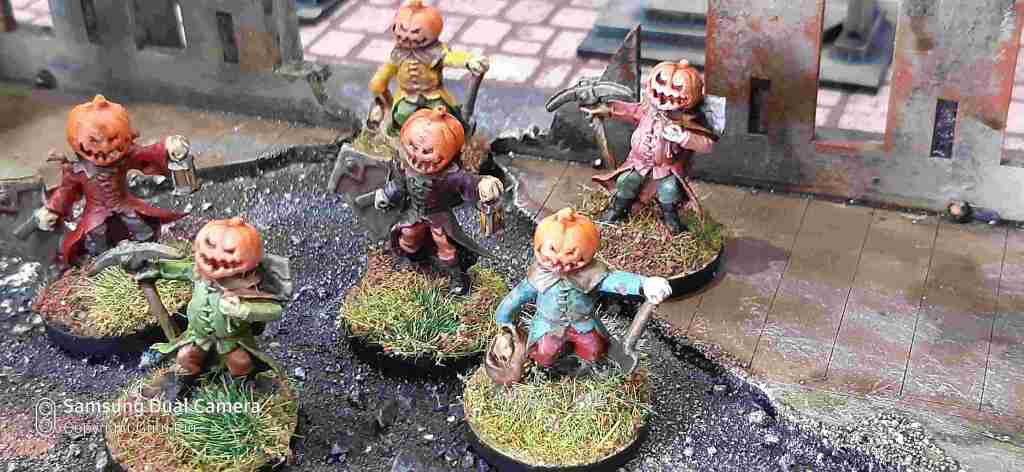
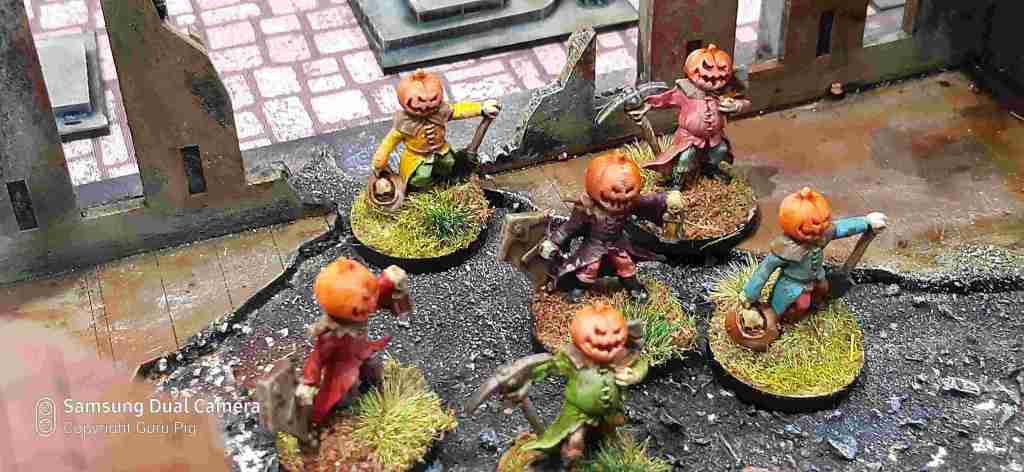

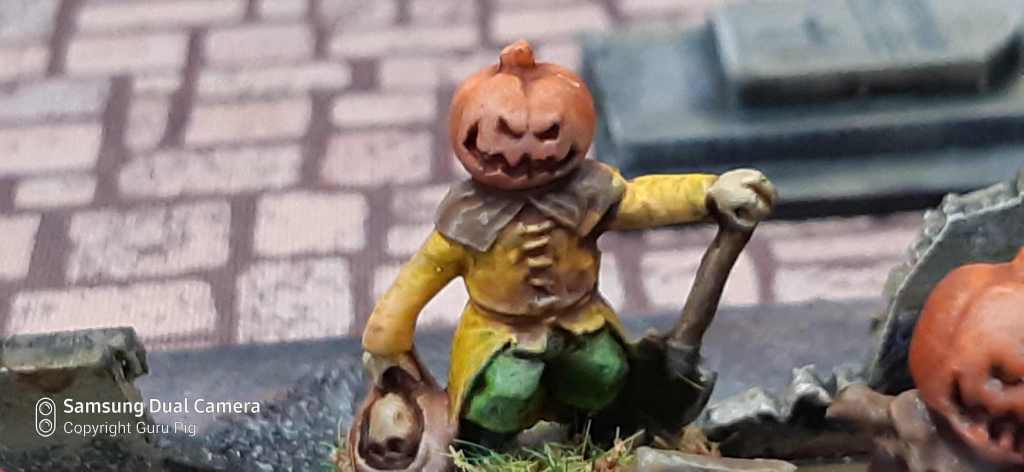
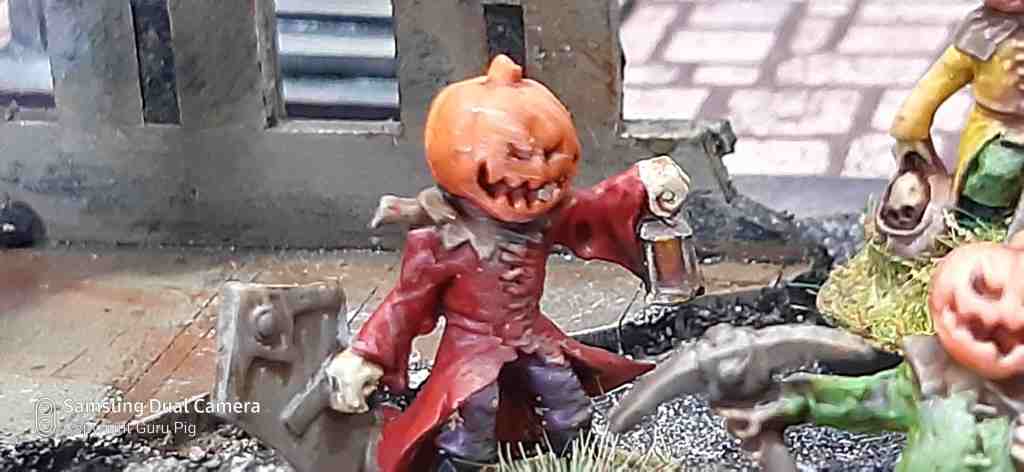
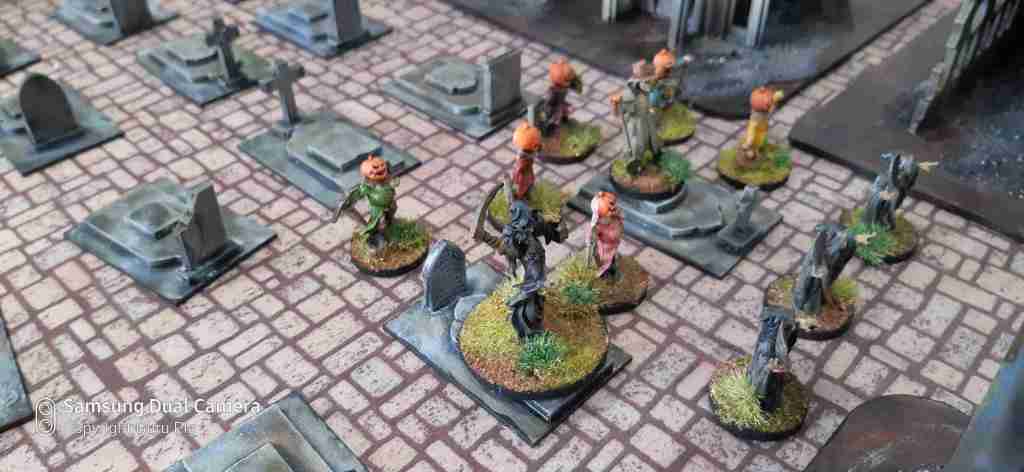
This unlikely group of colleagues was named the “Body Syndicate” by the popular press.
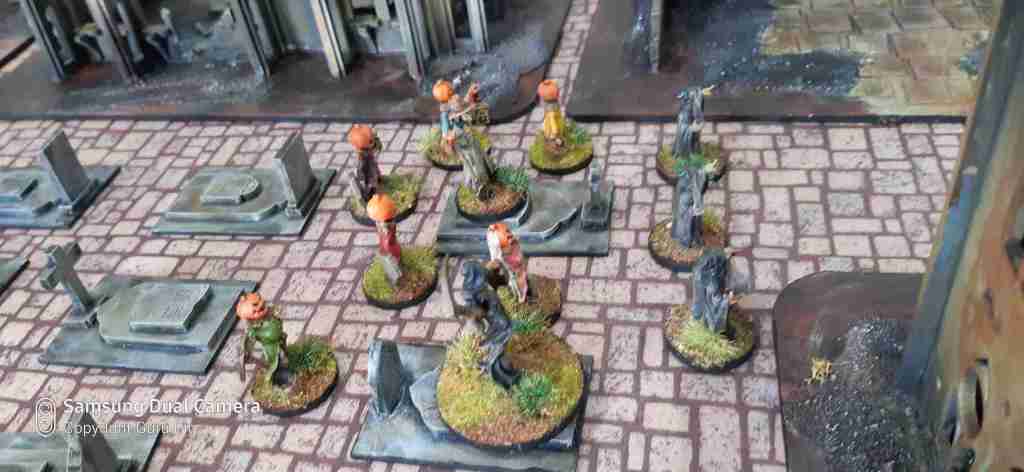

Can Scotland Yard and their consulting detective Sherwood Hollows bury them and their dastardly deeds, or will the “Body Syndicate” snatch victory from the jaws of death?
Great little gang there. Love the mini Deaths with shovels.
Cheers,
Pete.
GThanks Pete. They are a great little bunch.
Great stuff mate hehe. I remember reading about body snatchers years ago and that to minimise the sound they’d make digging they used wooden shovels. Clever. Creepy but clever
Thanks IRO and creepy is good!
Nice minis and interesting back story. I had heard about the practice before. One that was a necessary evil, I suppose. Still, I can’t imagine being the one to dig up a grave and haul a cold body out of the ground. I’d think my sleep would be pretty troubled!
I guess one does what one has to!
Excellent work again – and good to see those Bones models being put to use after so long in storage! 😀
Thanks. I have gone through them all and there are some great models there. A nice bunch of Rangers will look good.