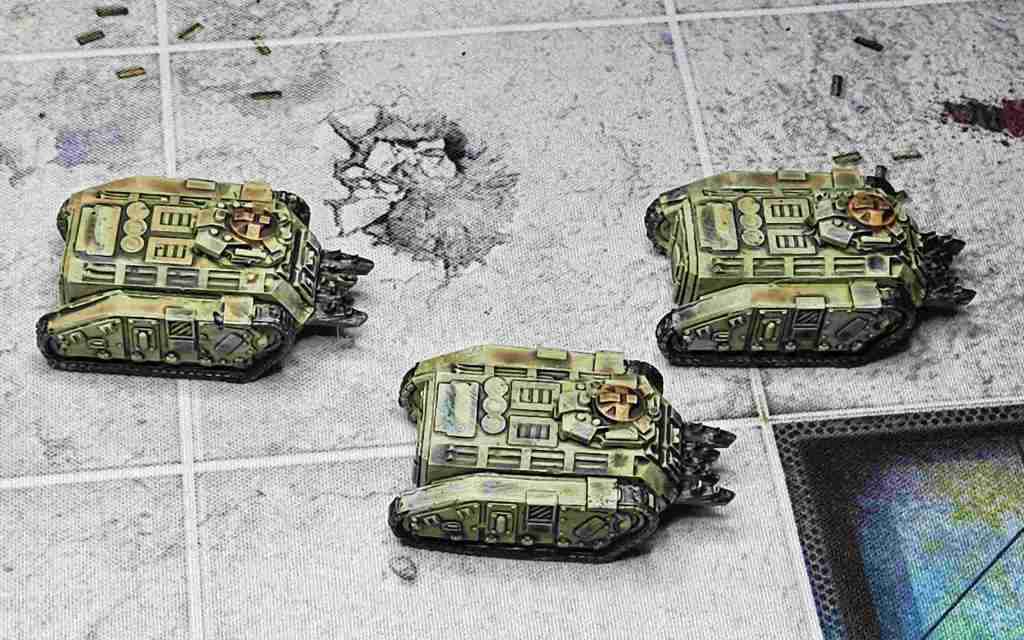
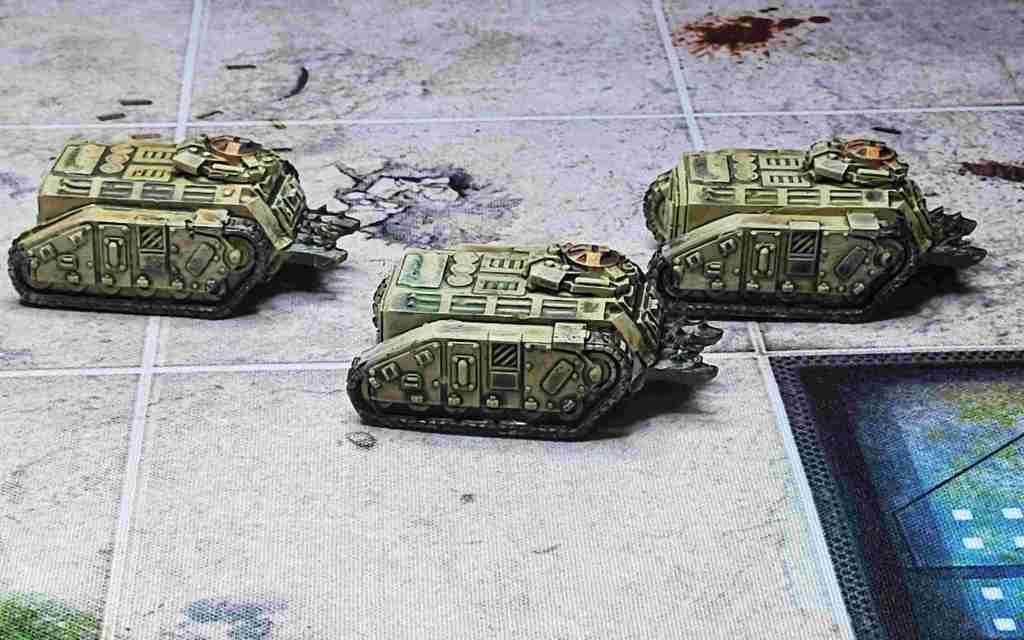
Sailors in Slouch Hats – a review

I am always interested in picking up books on obscure information that could easily be forgotten in time. when I saw this one on the Book Grocer it took only seconds to get out the plastic!

Sailors in Slouch Hats: From a Sea of Memories, edited by W. W. Rice, is one of those unit histories that sits somewhere between memoir, tribute, and record. It is not a grand official history and it does not pretend to be one. Its strength lies in the fact that it was recorded by the men of 42 Australian Landing Craft Company, Royal Australian Engineers, AIF, and that gives the book a directness often missing from more polished accounts of the Second World War.
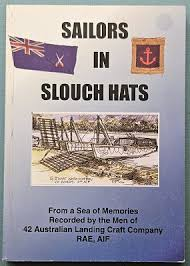
The title is a good one. These men were soldiers, but much of their war was spent doing work that looked more naval than military. They operated landing craft, moved men and supplies, dealt with surf, tides, enemy fire, bad weather, confusion, mechanical failure, and the thousand small problems that come with amphibious operations. They were, in a very real sense, sailors in slouch hats. That awkward identity is part of what makes the book interesting. It reminds the reader that the Australian Army in the South West Pacific was not just infantry battalions, artillery batteries, and command headquarters. It also depended on small, practical, hard worked units that kept operations moving.

The book is especially valuable because it gives attention to a part of the war that is too easily passed over. Landing craft units were essential, but they rarely receive the attention given to the men who went ashore with rifles in their hands. Yet without these crews, many operations would have been impossible. The men of 42 Landing Craft Company had to put troops ashore, supply them, and in some cases get them out again under extremely dangerous conditions. Their work demanded courage, but also skill, patience, improvisation, and a willingness to keep going when plans broke down.

As a piece of history, the book is at its best when it allows the men to speak for themselves. The memories have the feel of recollection rather than formal reconstruction. That means they can sometimes be uneven, but that is also part of their value. There is humour, pride, sadness, understatement, and the familiar Australian habit of treating extraordinary danger as if it were merely another difficult job to be got through. The result is not always neat, but it feels human.

The strongest parts of the book are those that show the practical nature of the unit’s war. The reader gets a sense of men working with machinery, weather, water, mud, darkness, and uncertainty. This is not war as a clean movement of arrows across a map. It is war as hard labour, poor sleep, wet clothing, shouted orders, engines, loading, unloading, beaching, reversing, repairing, and trying again. That sort of detail is important because it brings the reader closer to the actual experience of service.

There are limitations. Readers looking for a broad operational study may want more context, clearer maps, and a firmer connection between the men’s memories and the wider campaign. Because the book is built around personal recollection, it does not always pause to explain the larger strategic situation. At times it assumes the reader already knows where the unit fits. For a specialist reader this is not a major problem, but for a general reader it may require some outside reading.

That said, it would be unfair to judge the book mainly by what it is not. Its purpose is not to replace official histories. Its purpose is to preserve memory. On that measure it succeeds. It records the service of men who might otherwise remain in the background of better known operations. It gives names, faces, stories, and incidents to a kind of work that is often reduced to a line in an order of battle.

For anyone interested in Australian military history, especially the South West Pacific, amphibious operations, Royal Australian Engineers, or small unit experience, Sailors in Slouch Hats is well worth reading. It is also useful for wargamers and military historians because it shows how operations depend on far more than combat units alone. Beaches, boats, supply, timing, weather, and evacuation matter. So do the men who make those things happen.

In the end, this is a modest but important book. It preserves the memory of ordinary Australians doing an extraordinary job under difficult and dangerous conditions. It is not always polished, but it is honest, affectionate, and valuable. Books like this matter because they keep small units from disappearing into the margins of history. The men of 42 Australian Landing Craft Company deserve that remembrance, and Sailors in Slouch Hats gives it to them.

One for the enthusiast because of its obscure topic, but if you are one you should definitely have in your collection.

When the historian and the wargamer collide – adding to my WW2 Greek Army

Guess who wins!

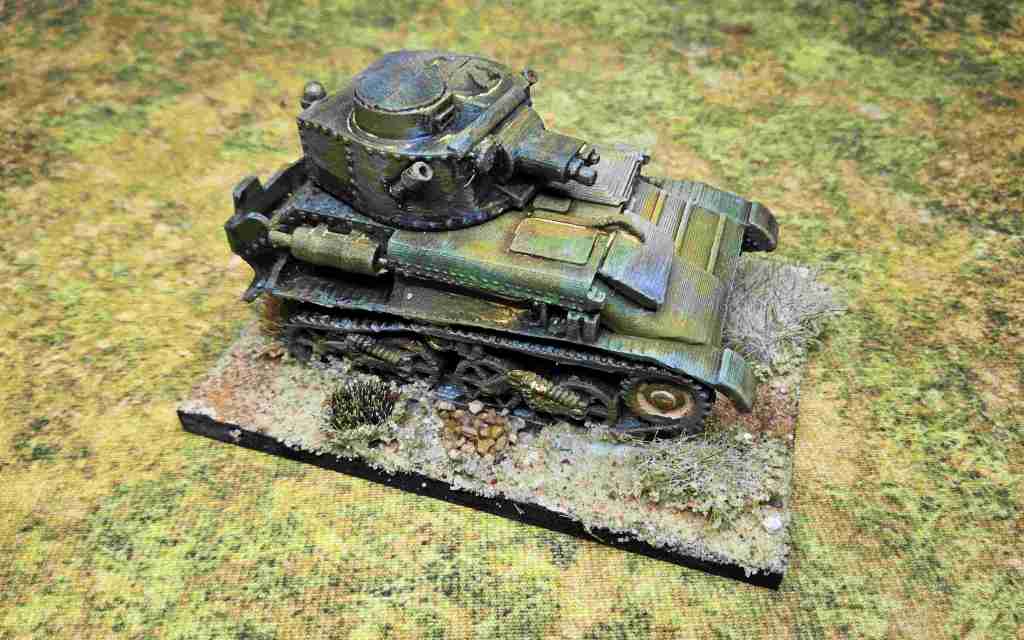
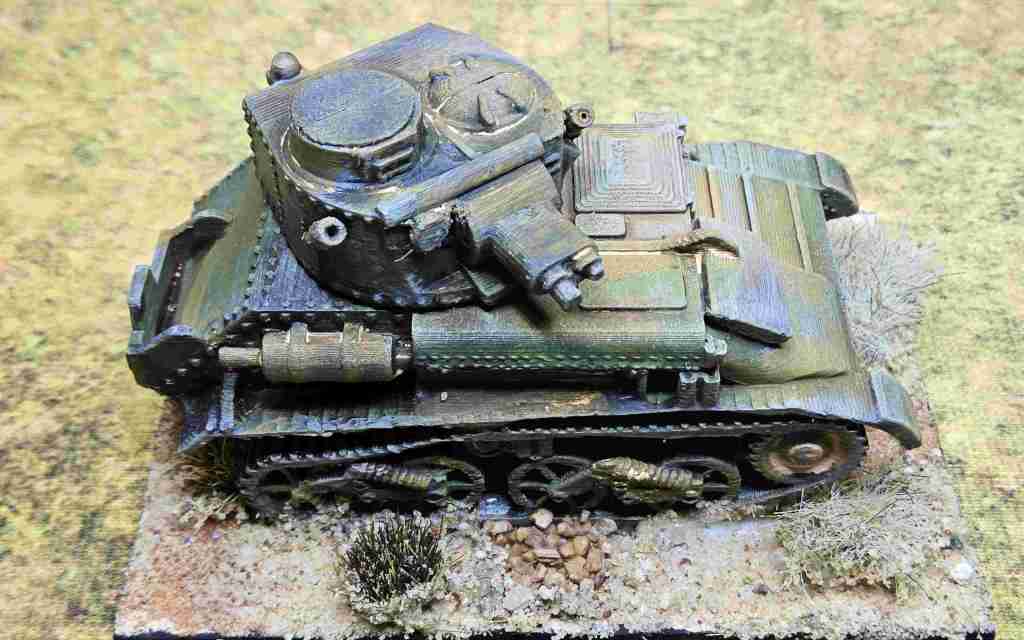
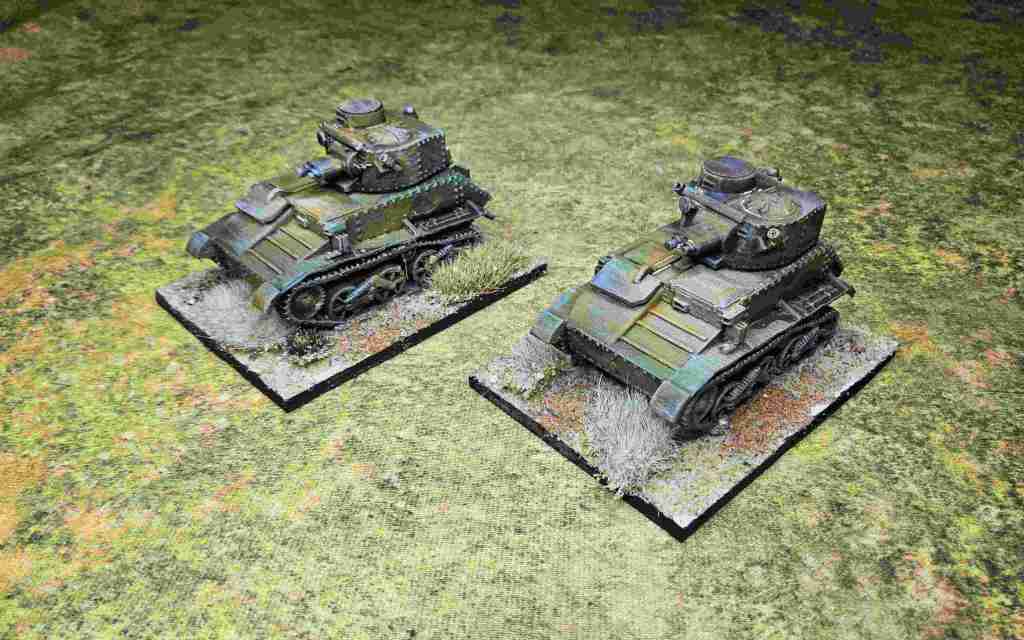
Before the outbreak of the Second World War, Greece possessed only a very small armoured force. Its most significant tanks were two Vickers 6-Ton tanks purchased from Britain in 1931. One was a Type A model fitted with twin machine-gun turrets, while the other was a Type B with a single turret armed with a 47 mm gun. These vehicles were acquired primarily as training tanks to help establish the foundations of a Greek armoured force and to develop doctrine rather than to provide a meaningful combat capability.


Although Greece hoped to expand its armoured arm, financial limitations and the deteriorating international situation prevented further acquisitions. As war approached, Britain was increasingly unable to spare modern tanks for export, leaving the Greek Army with only these two ageing Vickers vehicles and a handful of armoured cars. By the time of the Italian invasion in October 1940 and the German invasion in April 1941, the tanks were already obsolete, mechanically worn, and unsupported by a larger armoured organisation.


The two Vickers tanks were eventually assigned to the Greek Army’s mechanised formations, including the 19th Mechanized Division, but there is little reliable evidence that they saw significant combat. Most historians regard them as training and demonstration vehicles whose military value had largely disappeared by 1941. Nevertheless, they occupy an important place in Greek military history as the country’s first tanks and the starting point of its armoured warfare tradition.

Despite this history, the Greek army list for Bolt Action allows players to field a range of armoured vehicles, including Vickers Light Tanks, Peerless armoured cars, FT-17 tanks, and captured L3/35 tankettes. In reality, the FT-17 saw little, if any, operational use during the 1940–41 campaigns and was largely obsolete by that stage. The captured Italian L3/35 tankettes, however, were put to much better use. Greece captured a large number of therm (40+) during the successful counteroffensive against Italy in Albania, and these were pressed into service to supplement the country’s very limited armoured forces.

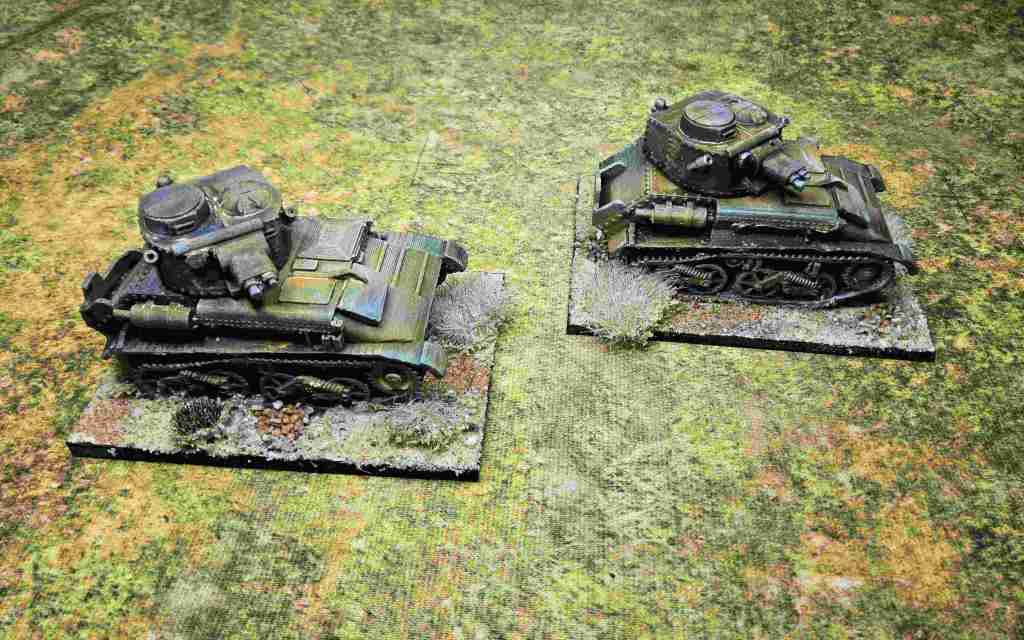
With that in mind, I intend to assemble and paint a company of five Vickers Light Tanks to provide some much-needed armoured support for my Greek mountain troops. These two are the first of that project.

The Vickers is also one of my favourite Second World War tanks. I am not entirely sure why, as it was neither the most successful nor the most influential armoured vehicle of the war, but there has always been something about its compact, purposeful appearance that has appealed to me. Perhaps it was because they formed the basis of Australia’s first tank formation to see combat?

While these models represent a degree of historical licence, they are entirely in keeping with the options available within the game and add an interesting and characterful element to the army on the tabletop.

Further down the track, I also intend to add another four L3/35 tankettes to supplement the single example already in my collection. At least those will be a little closer to the historical record. Until then, my company of Vickers Light Tanks provides a plausible and enjoyable tabletop force, even if it takes a few liberties with history.
The models are from “The Tank Factory”. I am very impressed with the cost and quality of the work from Michael Thomas and would recommend their growing range to you. I will write a full review soon.

Thanks to ChatGPT for help with the drawings.

Rugrat Wrangling

Just a short post today as I am “Rugrat Wrangling” over the next few days. It is great to have our youngest Grandson staying with us so we could spoil him rotten with the three essential food types of cake, sweets, and fast foods, playing and watching footy, and cooking with Grandma. Playing games was also essential, as was, of course, allowing him unlimited screen time and staying up late.

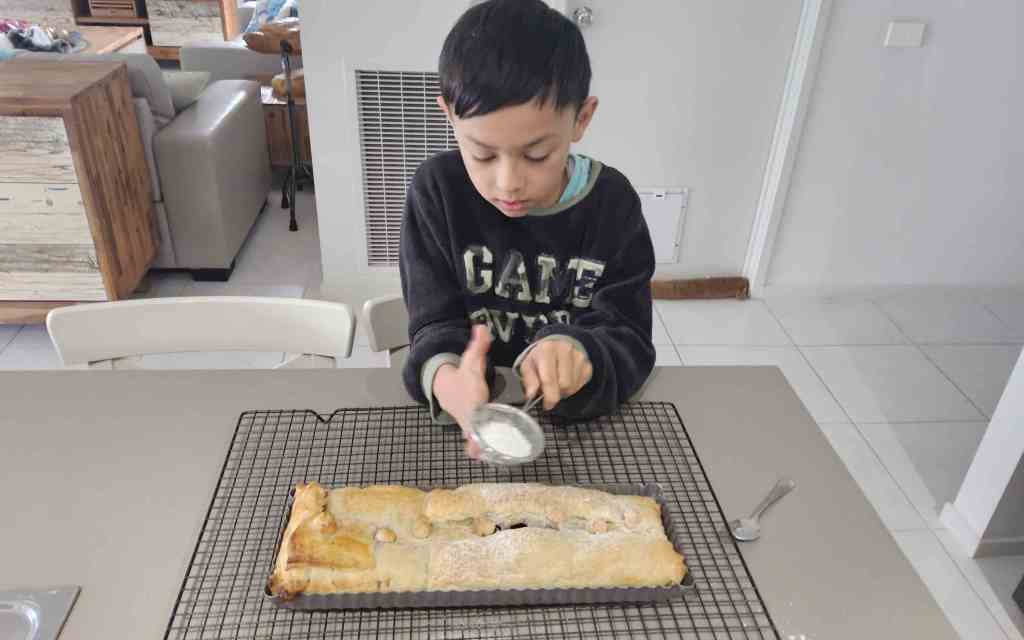
Cooking with Grandma.

Playing football and cooking with Grandma was my favourite activities.

My name is Charles and this is my quick and easy recipe for an apple strudel.

Before cooking you first need to have a healthy breakfast of pancakes with Nutella spread, berries, ice cream, maple syrup and “sprinkles”!

Now for the cooking. Get together your ingredients”

  • 2 sheets of frozen puff pastry
  • 1 egg
  • 1 small can of apple slices
  • 1 snack pack of sultanas
  • milk for glazing
  • 1/2 cup of custard powder
  • 1 tablespoon of sugar
  • 1 heaped teaspoon of cinnamon

This recipe is so easy even I can do it.

Mix the custard powder, sugar and nutmeg into a bowl and stir well

Gently fold in the canned apples

Lay out the frozen pastry on a flat rectangular tray. leave some left over on each side to fold on top later.

Oops I forgot to add the sultanas so I needed to fold them in straight away.

Spoon in the apple mixture starting with the corners and sides and then smooth out evenly.

Fold the top over. The small balls of pastry were silly grandpas idea!

Lightly brush all over with some milk, and cook in the oven until the pastry is golden brown.

Take out of the oven (grandpa did this for me) and lightly dust with icing sugar (I like it not so lightly).

It was yummy, yummy, yummy. Even more so because I cooked it!

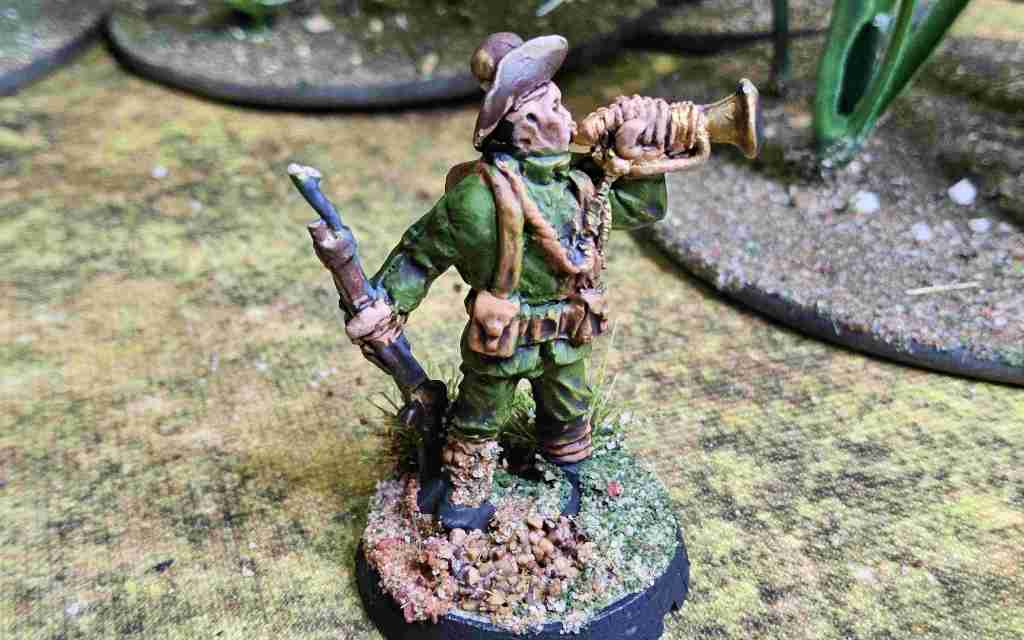
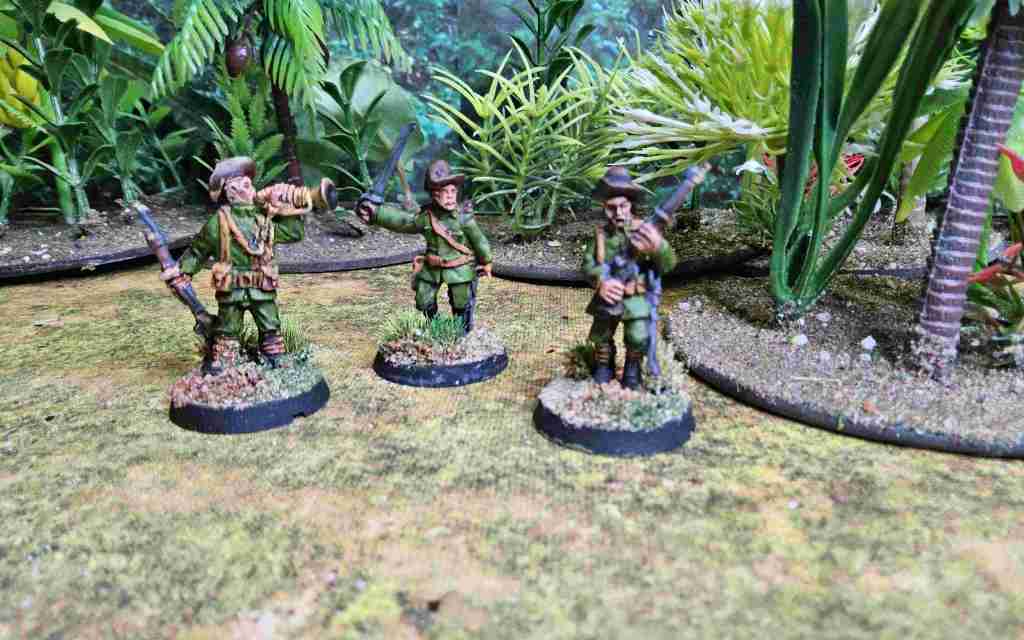
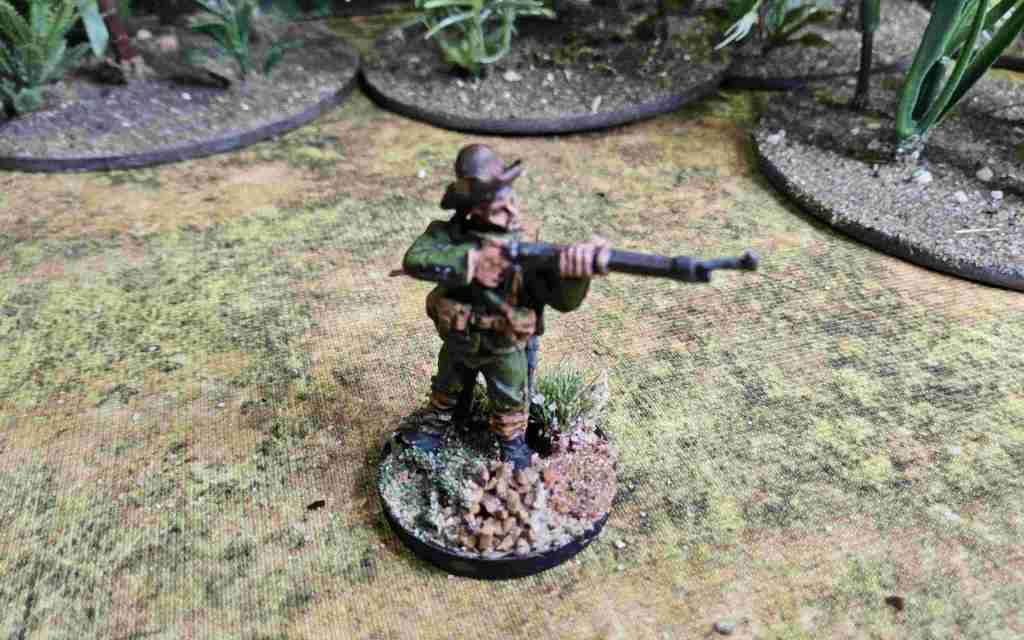
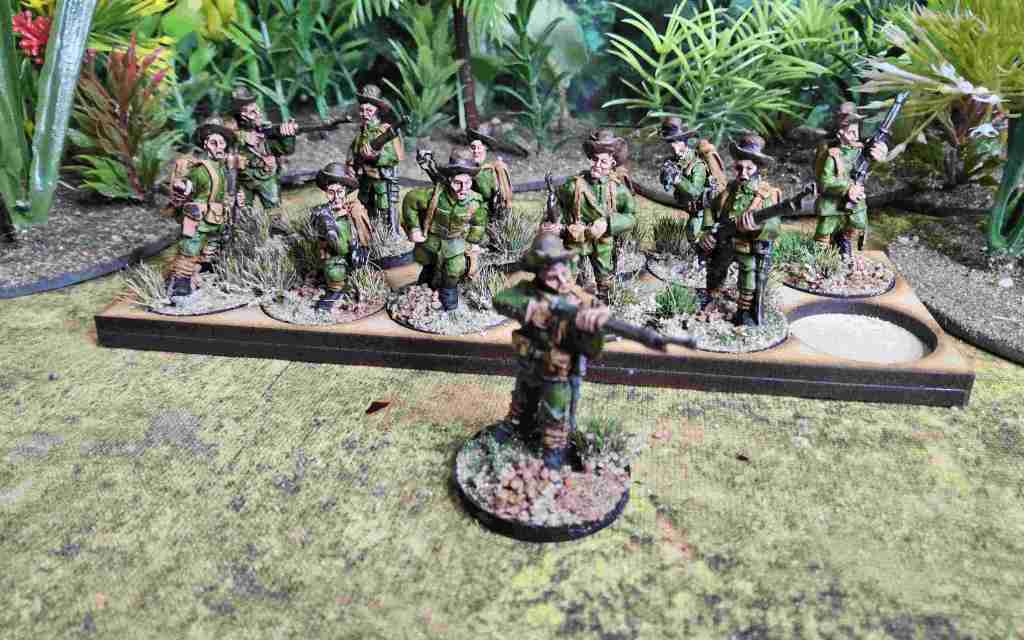
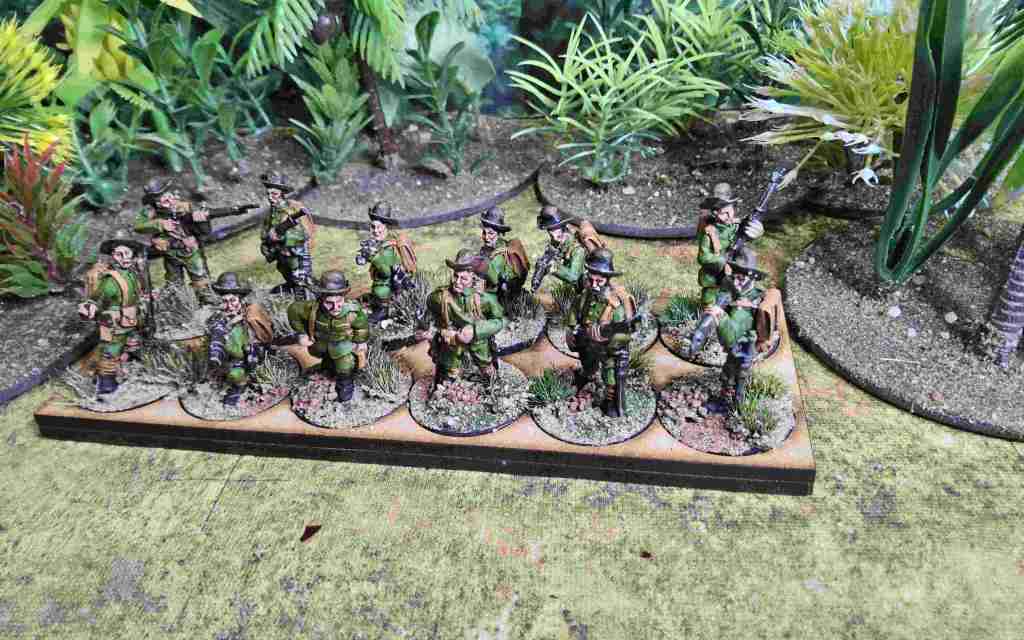
Additional Figure form KNIL Infantry Unit (1)

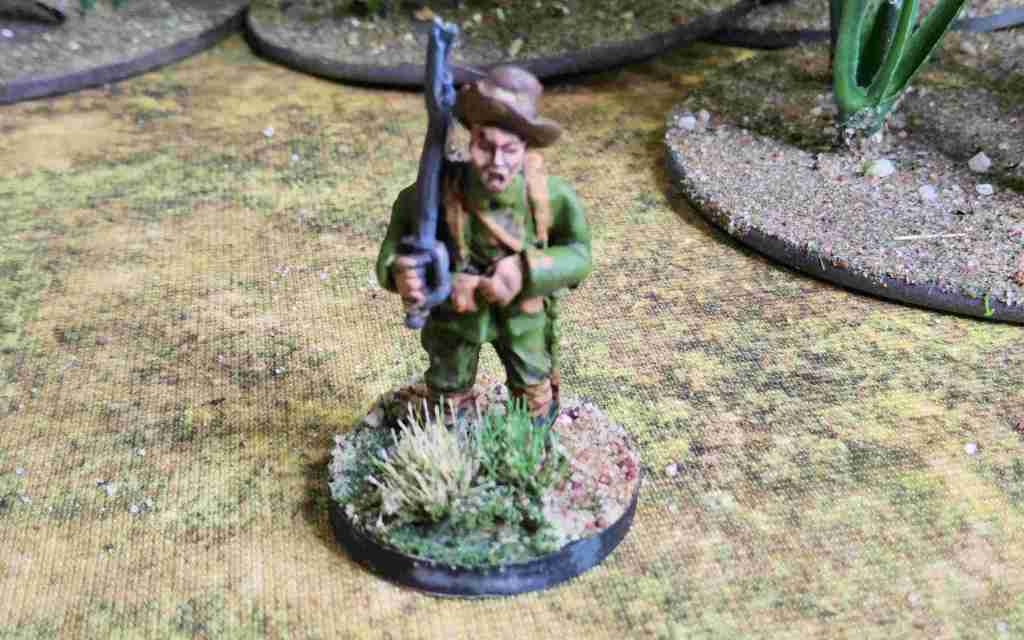
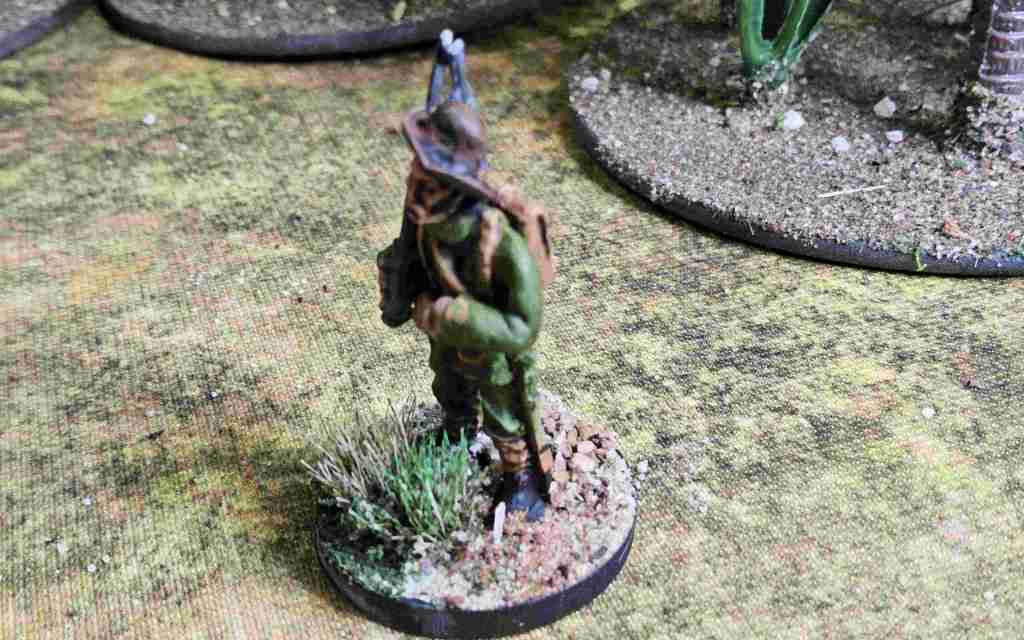
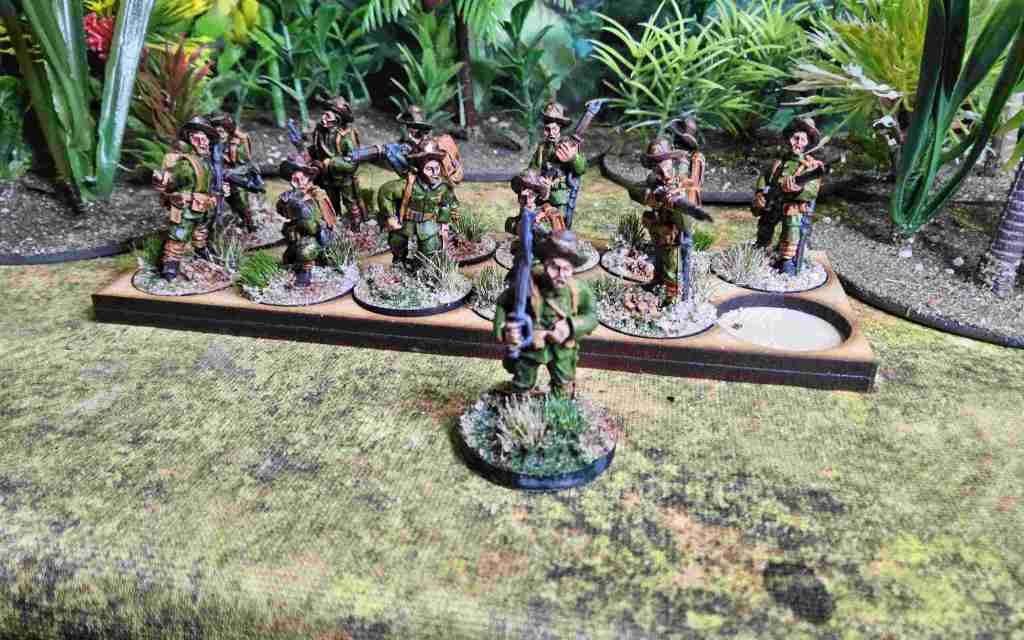
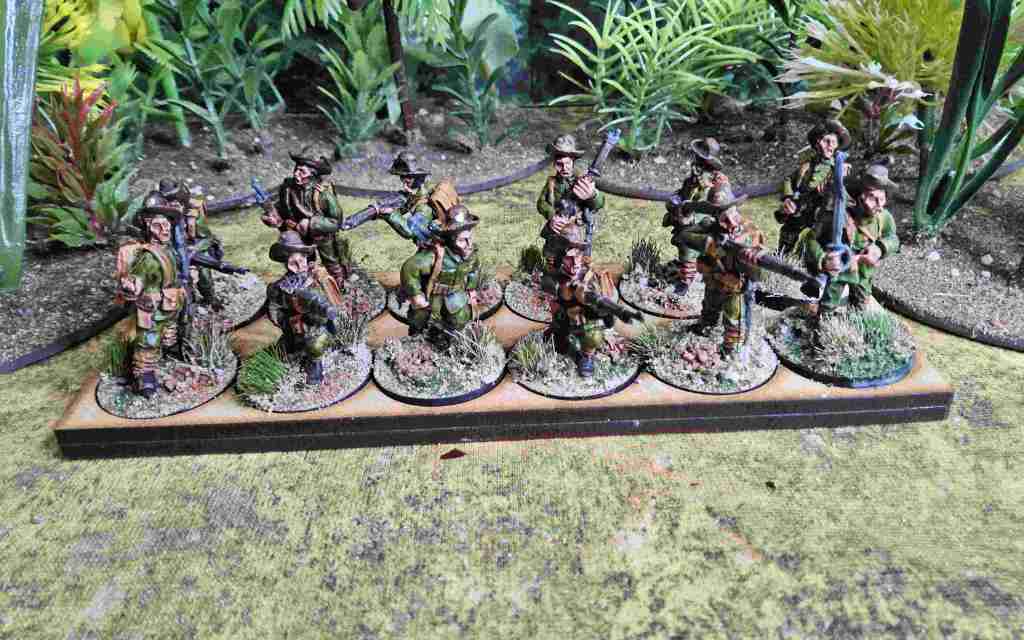
Although my KNIL army in progress was originally designed for WW2 the models also fit quite well for the Aceh war that I would also like to work on down the track.

The WW2 section requires only 11 figures so I needed to add another figure to each of my currently completed sections to make them up to 12 models to allow me to use them for a Men Who Would Be Kings unit.

I will not make the same mistake for the next few infantry units I am painting, as i have already added an additional figure for each!

Another figure to be painted for another unit tomorrow!

It was an Aberration

Frontline Dispatch 21
Sector Red Nine, Outer Helios Front
Embedded Correspondent J Harland Reporting

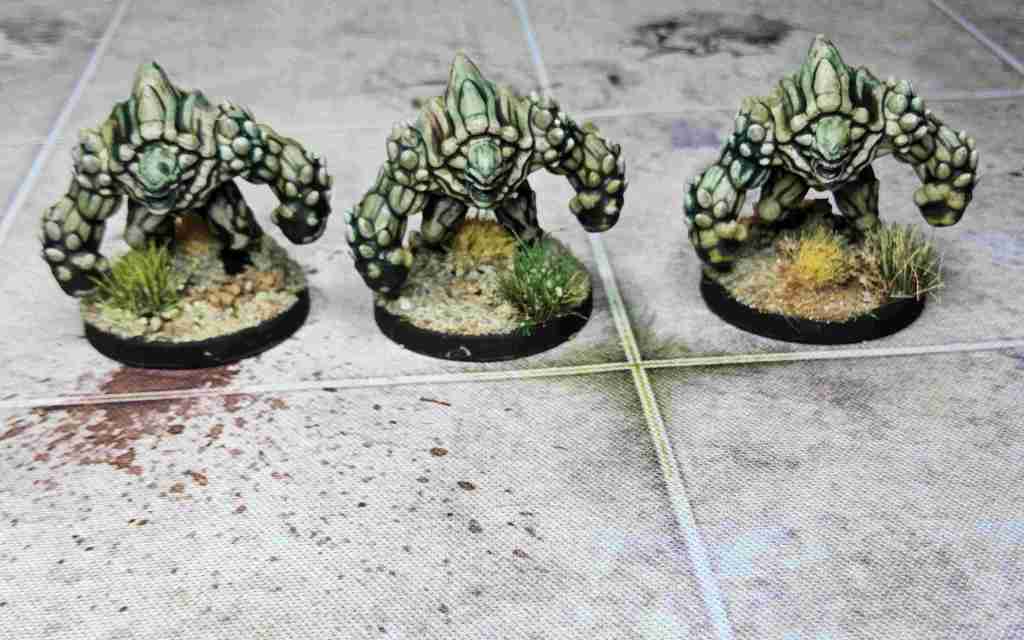
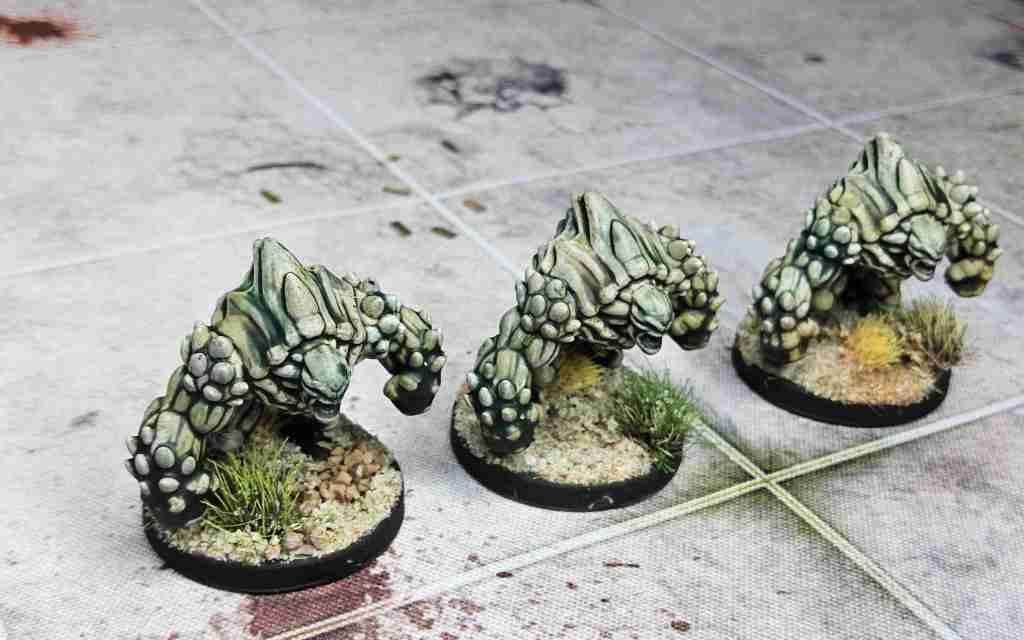
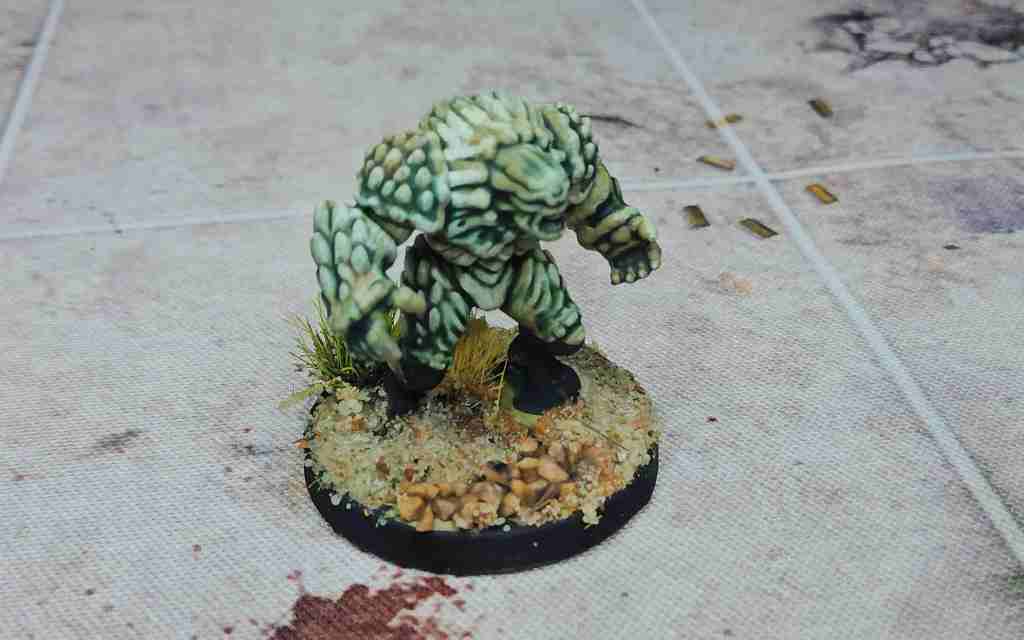
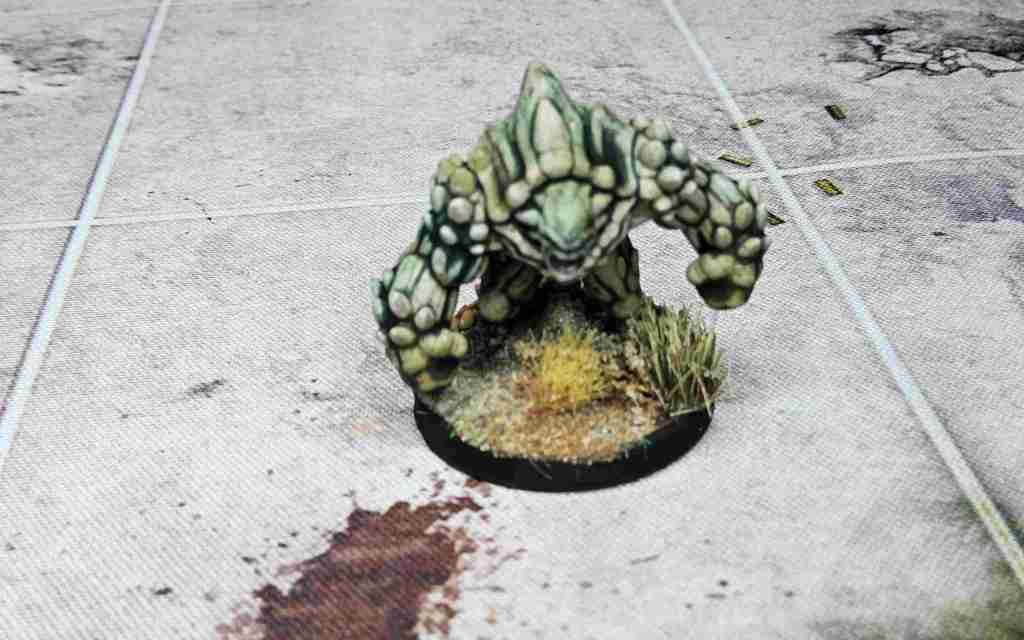
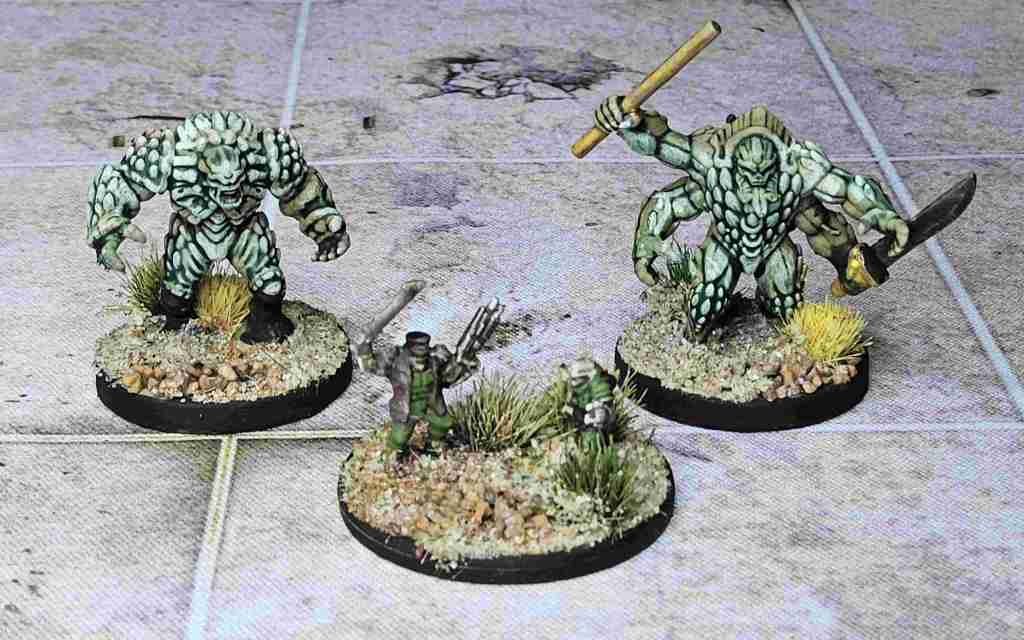
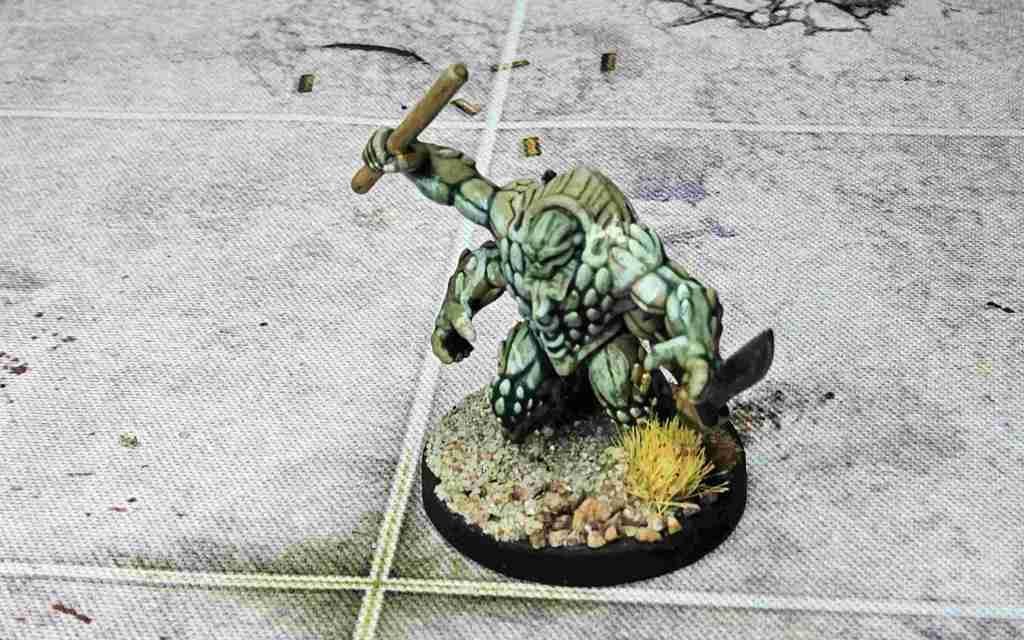
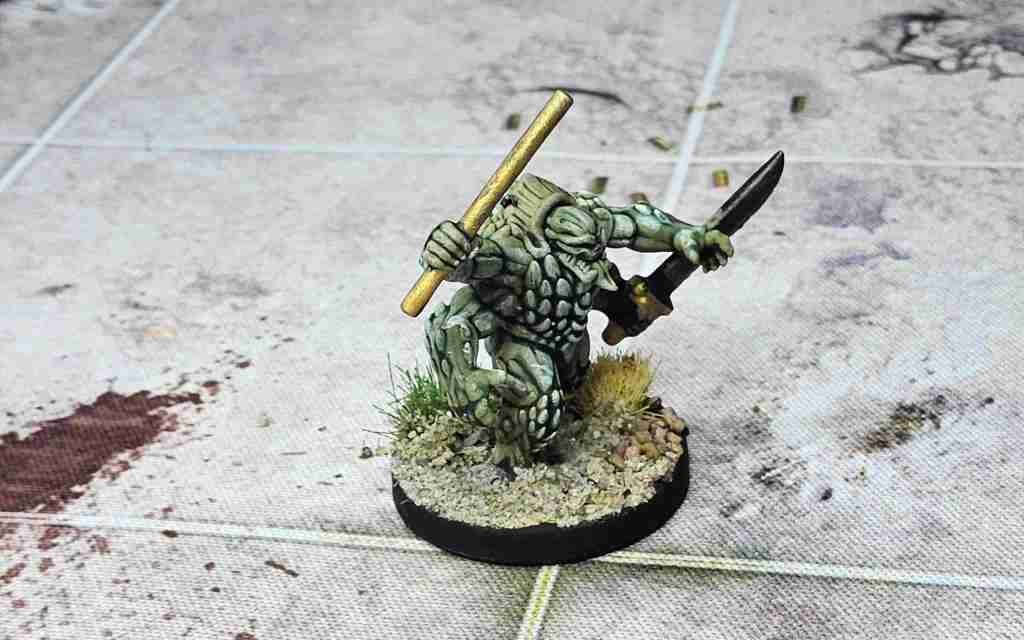
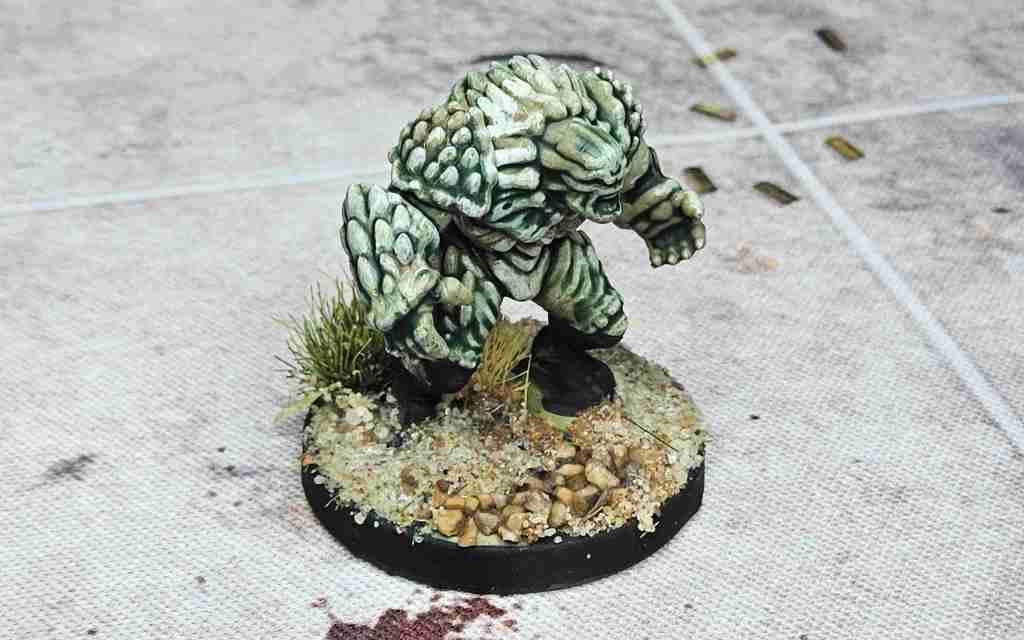
Military briefings have a habit of reducing battles to neat categories. Commanders speak of enemy formations, attack waves, penetration points, and casualty figures as though war were simply a matter of moving symbols across a tactical display. The engagement at Junction 47 demonstrated the limitations of such language. Official records list the attacking force as three Plague Aberrations, but the survivors remember the battle rather differently. To them it was not an assault by a unit or formation. It was the arrival of three unstoppable monsters that shattered an entire defensive sector in less than an hour.

Junction 47 occupied a critical position along the Helios Front. A network of trenches, bunkers, vehicle barriers, and hardened firing positions guarded one of the few reliable approaches through a broken industrial district. The garrison had spent weeks improving the position and had already repelled numerous attacks by infected infantry and Stage Three mutants. Morale was considered good, ammunition stocks were adequate, and intelligence assessments suggested that the Plague lacked the strength to mount a major offensive in the sector.

The first indication that these assessments were wrong came shortly before dawn when an eastern observation post ceased transmitting. At first this attracted little concern. Communications failures were common on the front, and patrols were routinely dispatched to investigate such incidents. The squad sent forward expected to repair damaged equipment or recover a malfunctioning transmitter. Instead they discovered a position that appeared to have been struck by some form of natural disaster. Armour plating had been ripped apart, defensive barriers smashed flat, and the soldiers assigned to the post reduced to little more than scattered remains. Whatever had attacked the outpost had done so with extraordinary violence and alarming speed.

Before the patrol could report its findings, the first Aberration appeared.

Witnesses describe a creature of immense size bursting through a section of defensive wall in a cloud of dust, shattered ferrocrete, and twisted metal. Heavy weapons crews reacted immediately, pouring fire into the advancing monster. Streams of tracer rounds stitched across its body while missile teams launched volley after volley into the target. The volume of fire would have destroyed a vehicle column. The Aberration simply continued forward, tearing through obstacles and fortifications with apparent indifference.

Almost simultaneously a second creature emerged along the northern trench line while a third appeared deeper within the smoke and confusion surrounding the eastern perimeter. The defenders suddenly faced a nightmare scenario. Instead of concentrating their efforts against a single breakthrough, they found themselves confronted by three independent threats attacking different sections of the position at the same time.

The brilliance of the assault became apparent only in retrospect. One Aberration drove directly through the centre of the defence, drawing the attention of the heaviest weapons. A second moved along the trenches, destroying firing positions and forcing infantry from prepared cover. The third appeared to seek out command and communications facilities, attacking the nerve centres responsible for coordinating the defence. Whether this behaviour reflected instinct, intelligence, or some form of collective control remains unknown, but the result was devastating.

As the creatures penetrated deeper into the position, organised resistance began to fragment. Individual squads fought with determination and in many cases remarkable courage, yet every local success seemed immediately offset by disaster elsewhere. Gun crews reported inflicting terrible wounds upon the monsters, blasting away flesh and bone with plasma fire and armour piercing missiles. Sections of the creatures were visibly destroyed, but none of the damage proved sufficient to stop their advance.

Sergeant Vance of the 14th Enforcer Regiment later described the experience during a debriefing.“Everywhere you looked there was another crisis. You would hear that one of the creatures had been stopped and start moving reserves toward that sector, only to discover a second had broken through somewhere else. It felt as though the battlefield itself was coming apart around us.”

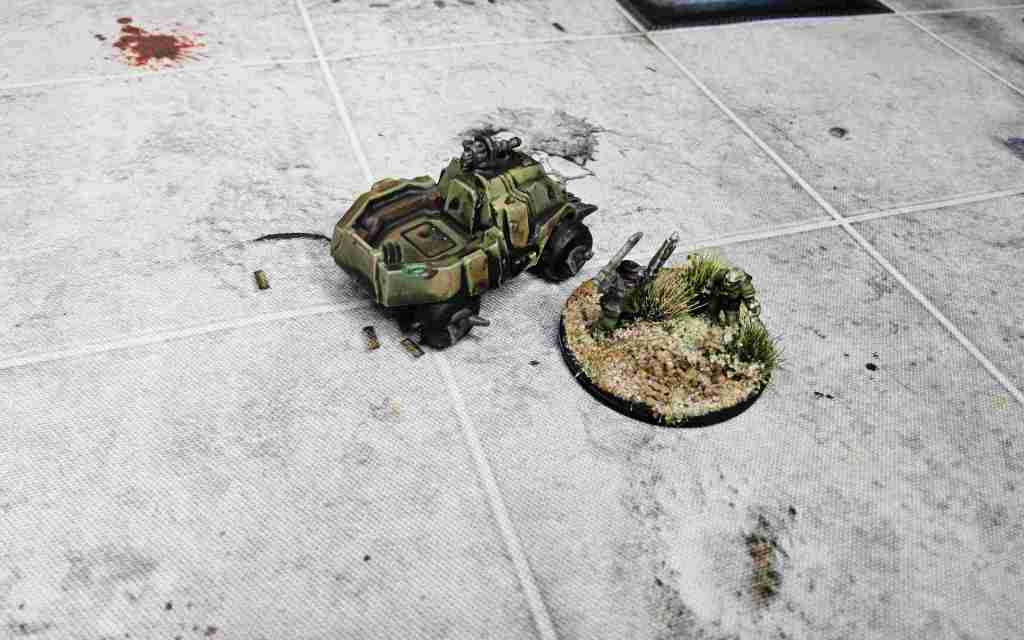
The collapse of the defence accelerated as the Aberrations reached key positions. One overturned an interceptor vehicle and smashed it apart before the crew could escape. Another tore through a heavy weapons bunker that had anchored the northern flank for weeks. The third breached the command complex, killing communications personnel and temporarily severing contact between large sections of the line. By this stage the battle had become a series of isolated actions fought by small groups of defenders who often had little understanding of what was happening beyond their immediate surroundings.

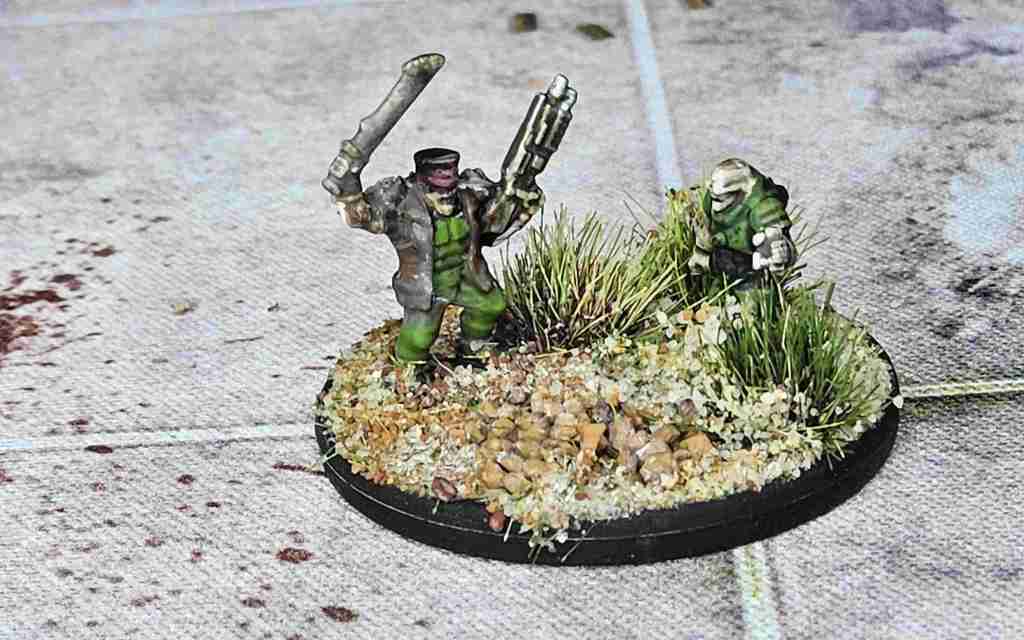
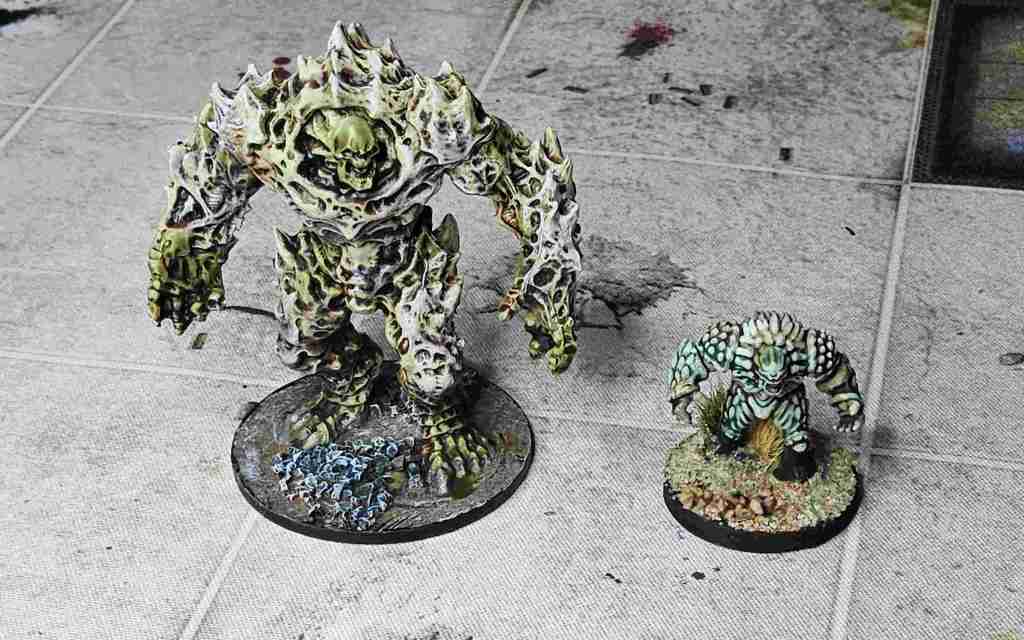
Compared to the 32mm scale Deadzone model

For a brief period it appeared that the defenders might still recover the situation. Concentrated anti armour fire finally brought down one of the Aberrations after repeated missile strikes and sustained plasma bombardment overwhelmed its regenerative capabilities. The creature collapsed amid fire and debris, prompting cheers from exhausted troops who had spent the previous half hour watching apparently invulnerable monsters rampage through their defences.

The celebration proved tragically premature.

The remaining two Aberrations immediately charged toward the concentration of heavy weapons responsible for the kill. Several gun crews were destroyed before they could reposition. Others abandoned their weapons and attempted to withdraw. Within minutes the carefully organised fire plan upon which the entire defence depended had effectively ceased to exist.

When withdrawal orders were eventually issued, Junction 47 had already been lost. Surviving defenders conducted a fighting retreat while engineering teams demolished bridges and access routes behind them. The three Aberrations had not conquered the position alone. Instead they had performed the role for which they appeared specifically designed. They had shattered the defensive structure, disrupted command and control, and created multiple breaches through which thousands of lesser Plague organisms could pour.

As darkness settled across the battlefield, reconnaissance drones recorded the creatures standing among the ruins while waves of infected troops advanced through the wreckage. Salvage teams estimate that recovery operations will continue for weeks, assuming the area can ever be retaken.

The official reports will undoubtedly focus upon casualty figures, lost equipment, and strategic consequences. The soldiers who survived will remember something rather different. They will remember the sight of three monstrous shapes emerging from the dawn mist and the realisation that an entire defensive sector, built over months and defended by hundreds of trained troops, could be dismantled in less than an hour.

This is J. Harland, signing off from the frontier. Stay safe, and we’ll bring you the next report from wherever the war takes us.

Not a Mindless Horde

Frontline Dispatch 20
Who Commands the Plague?
By J. Harland, Embedded Correspondent

One of the most persistent myths among frontline soldiers is that the Plague is little more than a mindless horde. After months spent observing the conflict along the frontier, I can report that nothing could be further from the truth. While much of the infected mass appears chaotic, intelligence gathered from recent engagements suggests a sophisticated command structure exists within the Plague. Understanding it may be the key to surviving future battles.

Stage 3A Command

The most commonly encountered battlefield leaders are the creatures classified as Stage 3A Command organisms. These monsters are frequently observed directing groups of mutants and infected troops during assaults. Unlike lesser Plague creatures, they demonstrate tactical awareness, coordinating attacks, exploiting weaknesses, and redirecting forces as conditions change.

Several Enforcer officers have reported situations where seemingly disorganised assaults suddenly became focused and effective following the arrival of a Stage 3A commander. While not strategic thinkers in the conventional sense, they appear capable of exercising local battlefield control and greatly increase the effectiveness of nearby infected forces.

The Stage 3A Command is the only Plague faction command element that can be mounted in a vehicle. Only the “Mule” transport can be used.

Corruption

Above the battlefield commanders stand the beings known as Corruptions. Rarely seen directly, they are believed to act as regional coordinators for major Plague operations. Reports consistently describe them remaining behind the front lines while directing large numbers of infected organisms over considerable distances.

What makes the Corruption particularly dangerous is its apparent ability to influence both minds and bodies. Areas under its control often experience accelerated mutation, increased aggression among infected troops, and a disturbing degree of coordination across wide sectors. Intelligence analysts increasingly believe that many major Plague offensives are orchestrated through these creatures.

Compared with the 32mm Deadzone model

Stage 1A Lord

At the top of the hierarchy stand the terrifying entities known as Stage 1A Lords. Encounters remain exceptionally rare, largely because few witnesses survive them. These beings are regarded as the highest expression of the Plague’s evolution, possessing intelligence, strategic awareness, and power far beyond anything encountered elsewhere within the infection.

Military records attribute the fall of several colonies directly to the presence of a Stage 1A Lord. Entire campaigns have reportedly been redirected by their intervention. Unlike lesser commanders, these creatures do not simply lead battles. They shape wars. Where a Stage 1A Lord appears, every indication suggests the Plague is pursuing objectives extending far beyond the immediate battlefield.

Compared with the 32mm Deadzone model

Taken together, these three command levels reveal an uncomfortable truth. The Plague is not merely an infection spreading across the stars. It is an organised enemy capable of learning, adapting, and coordinating its forces with alarming effectiveness. The infected masses that soldiers encounter on the battlefield may be terrifying, but it is the intelligence guiding them that should cause the greatest concern.

This is J. Harland, signing off from the frontier. Stay safe, and we’ll bring you the next report from wherever the war takes us.

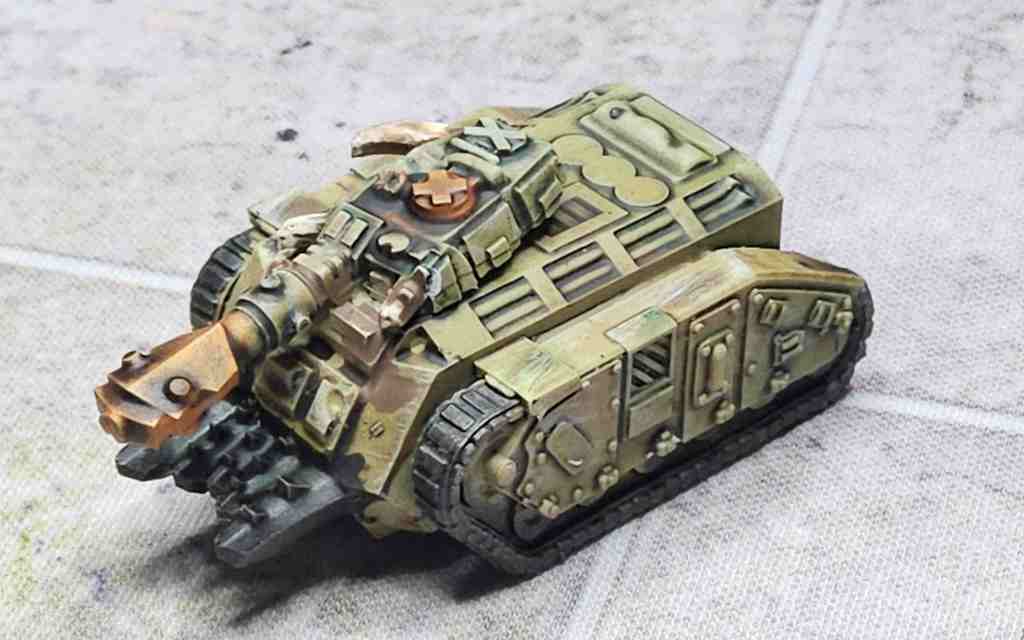
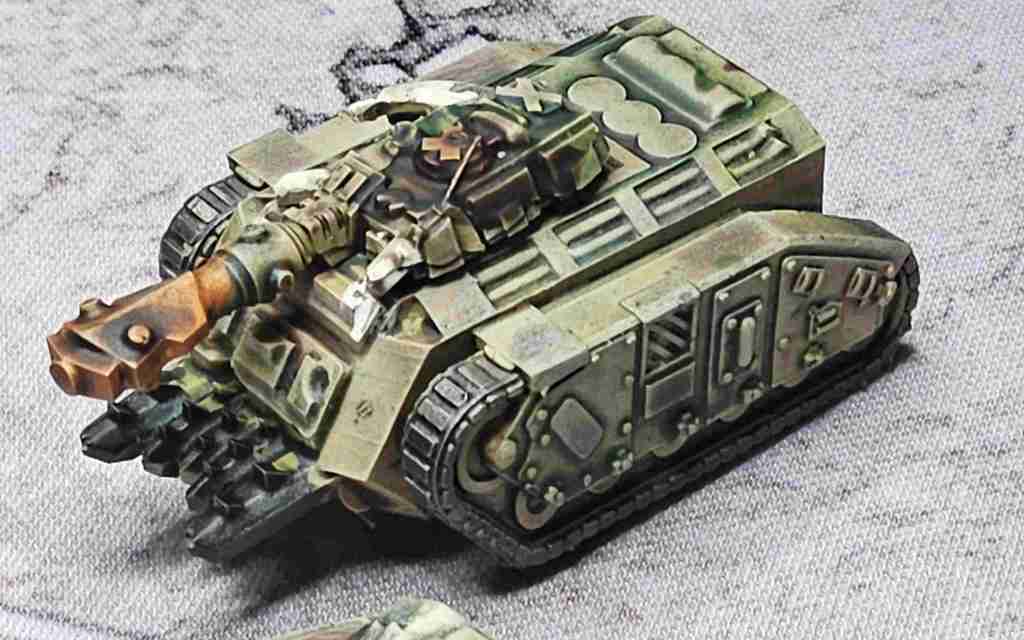
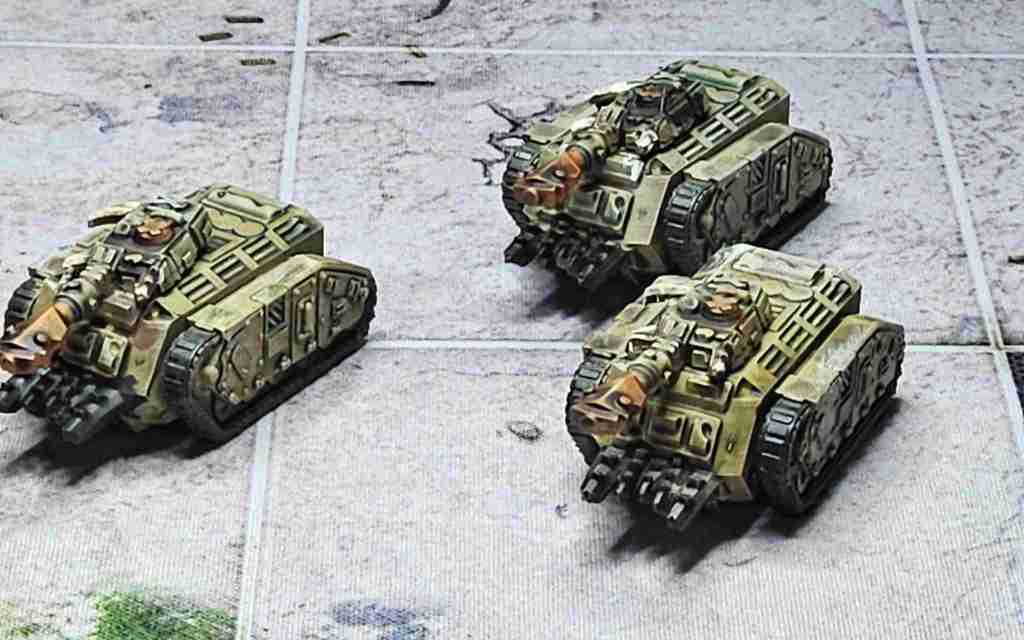
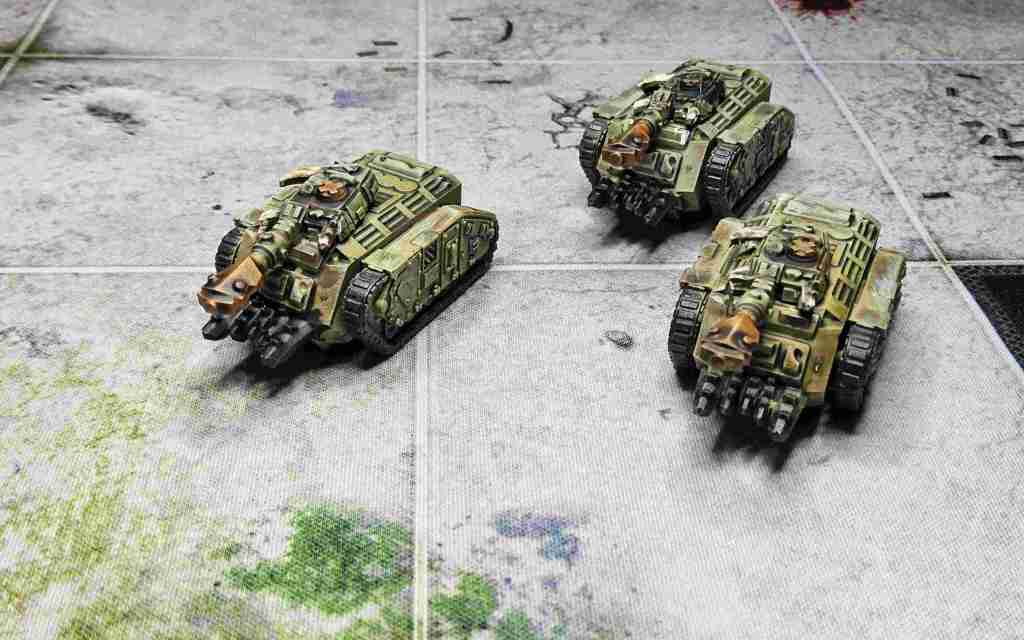
Plague Wolverine

Frontline Dispatch 19
Sector Red Nine, Outer Helios Front
Embedded Correspondent J Harland Reporting

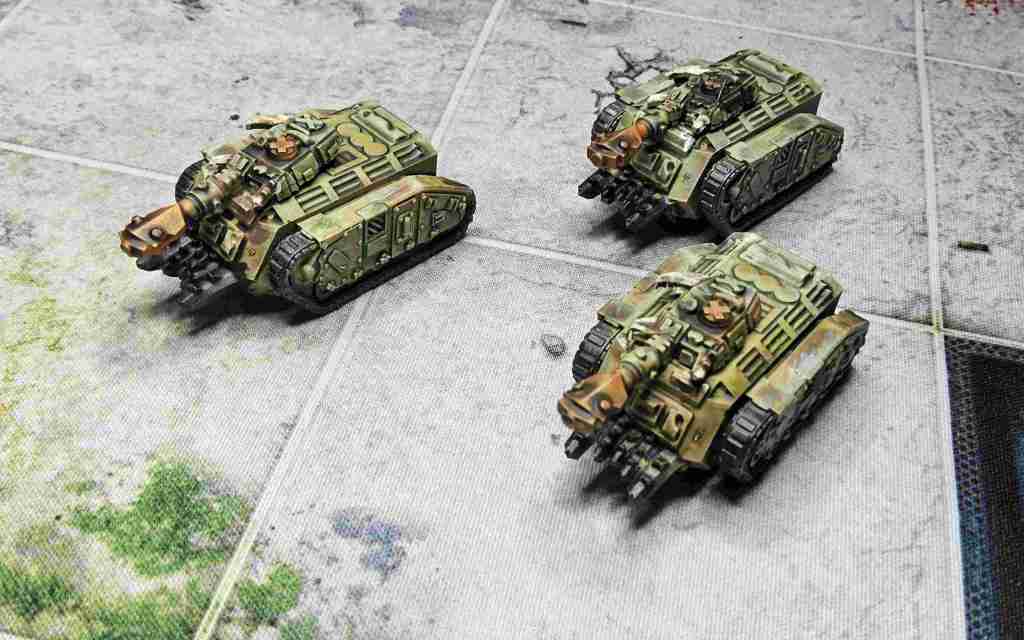
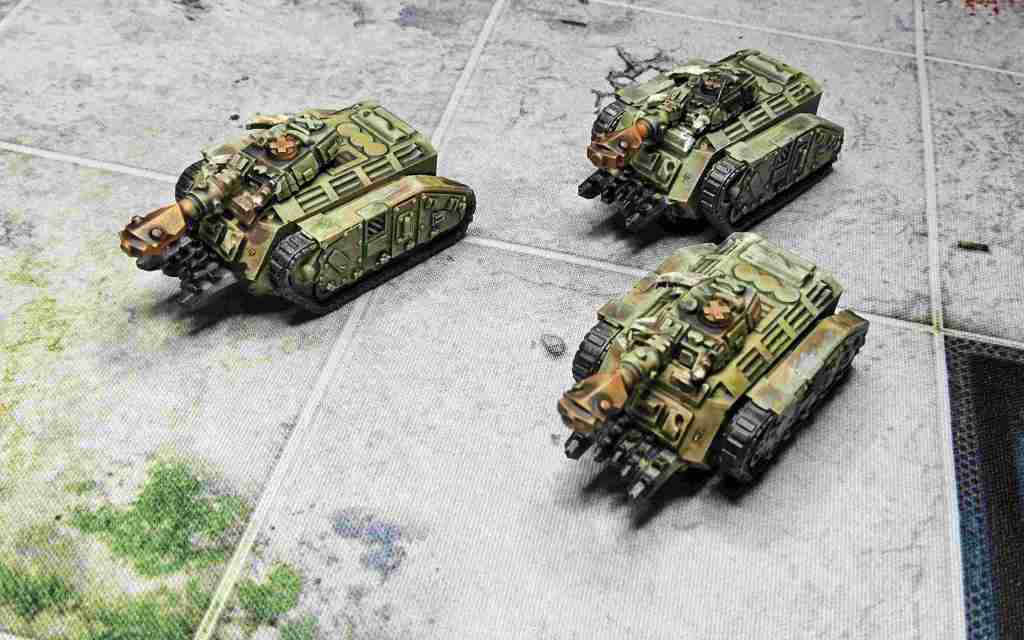
I first saw the vehicle through a curtain of smoke and drifting ash at approximately 0630 hours. At a distance it appeared to be a standard Wolverine armoured fighting vehicle, the sort of machine that has served colonial forces across hundreds of worlds. As it moved closer, however, it became clear that whatever had once been a Wolverine had undergone a transformation beyond anything described in official military manuals.

The vehicle emerged from the ruins of a processing complex abandoned during the early days of the outbreak. Its silhouette remained familiar, but the details were deeply unsettling. Armour plates bulged outward beneath layers of diseased organic growth. Thick tendrils hung from the hull. What should have been clean mechanical lines had become twisted and irregular, as though flesh and steel had merged into a single living structure.

Several veterans standing beside me had fought Plague forces before. Even they fell silent as the machine advanced.

The Wolverine moved steadily through terrain that would have halted many conventional vehicles. Rubble, collapsed walls, and shell craters seemed to present little obstacle. The tracks continued to turn while fragments of masonry disappeared beneath them. Small arms fire struck the hull repeatedly, producing little visible effect. In places it was difficult to determine where armour ended and biological matter began.

One infantry sergeant remarked that the vehicle appeared less like a tank and more like an infection given physical form.

As the range closed, the vehicle’s weapons opened fire. The response was immediate and devastating. Defensive positions that had held against lesser Plague creatures were swept away within moments. Yet what left the strongest impression was not the destruction itself but the manner in which the vehicle advanced. There was no sign of hesitation, no evidence of tactical caution, and certainly no concern for survival. The machine drove forward with the relentless certainty of something that neither feared death nor understood retreat.

Military intelligence officers later explained that many Plague Wolverines begin life as ordinary colonial vehicles. Captured during outbreaks, they are gradually absorbed into the biological nightmare that accompanies the spread of the infection. Precisely how this process occurs remains the subject of intense study. Some researchers suggest infected crew members continue to operate the vehicle. Others believe the machine itself becomes integrated into a larger Plague organism. Few are willing to make definitive statements.

What is clear is that these vehicles retain much of their original combat capability. Heavy armour remains intact. Weapons continue to function. Mobility is often unimpaired. The result is a battlefield asset that combines military technology with the terrifying resilience of the Plague.

During the engagement I witnessed, the Wolverine eventually absorbed multiple anti armour hits. Flames engulfed portions of the hull and secondary explosions erupted from its rear compartments. Under normal circumstances such damage would have forced a vehicle crew to abandon their machine. The Plague Wolverine continued forward.

Only after concentrated fire from several heavy weapon teams did its advance finally slow. Even then there was no dramatic destruction. The vehicle simply ground to a halt amidst the wreckage, smoke pouring from rents in its armour. No hatches opened. No survivors emerged. Yet none of the nearby soldiers seemed eager to approach it. Experience had taught them caution. On more than one battlefield, apparently destroyed Plague vehicles had returned to activity hours later.

As darkness fell and recovery teams prepared to move forward, the ruined Wolverine remained where it had stopped. Against the glow of distant fires its outline resembled a wounded beast rather than a machine of war.

The Plague corrupts soldiers, civilians, wildlife, and entire worlds. The sight of a Plague Wolverine serves as a reminder that it also corrupts the tools of civilisation itself. It takes humanity’s technology and reshapes it into something alien, hostile, and profoundly disturbing.

For the troops who faced it that morning, the lesson was simple. A Plague Wolverine is not merely an armoured vehicle. It is a warning of what happens when the infection is allowed to spread unchecked.

This is J. Harland, signing off from the frontier. Stay safe, and we’ll bring you the next report from wherever the war takes us.

The plague Wolverine APC

Frontline Dispatch 18
Sector Red Nine, Outer Helios Front
Embedded Correspondent J Harland Reporting


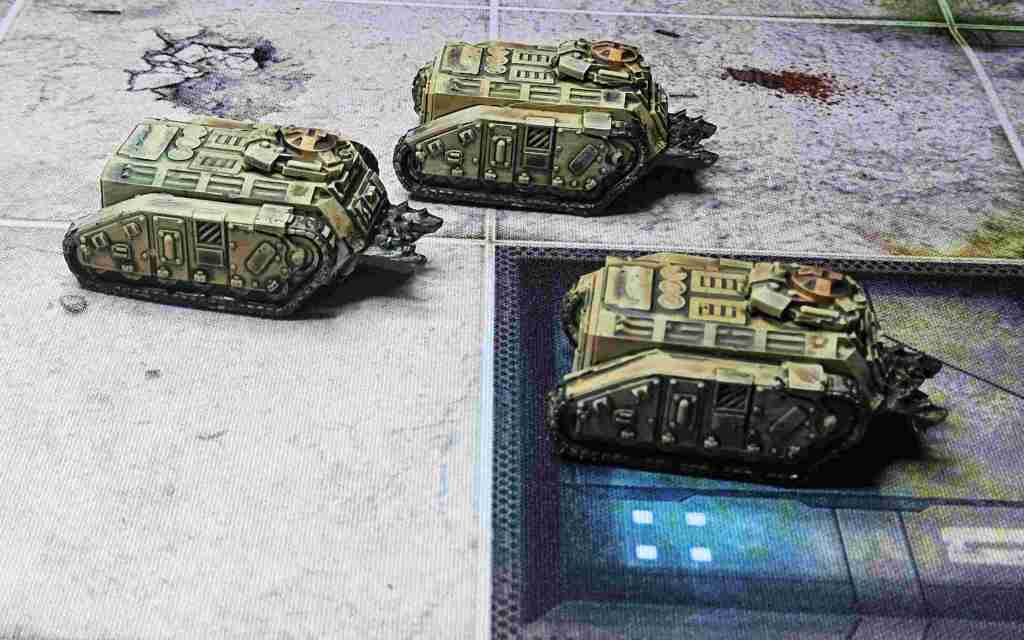
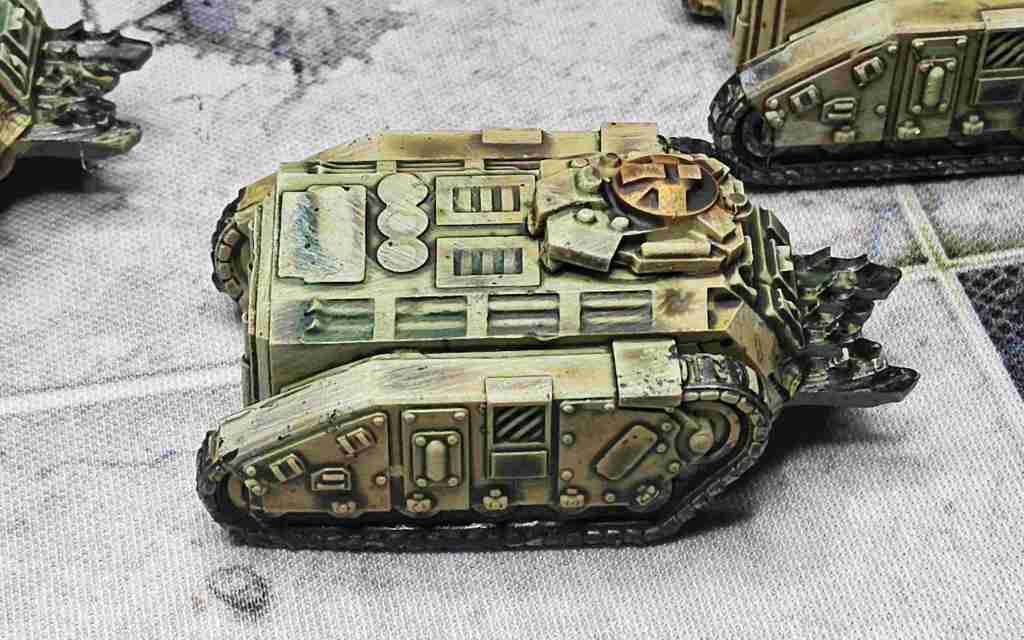
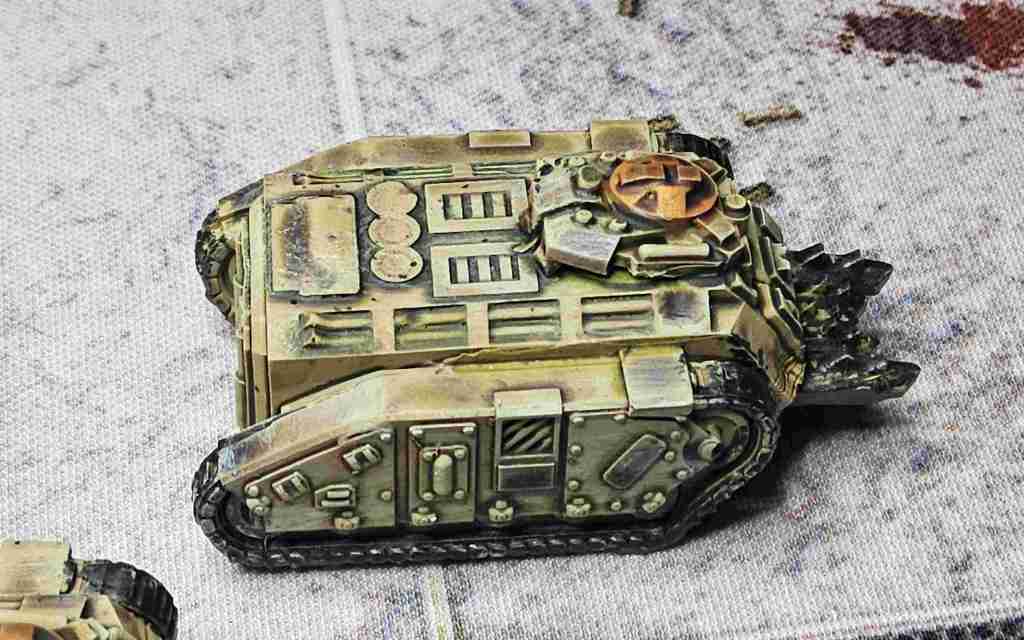
There are many unpleasant sights on a battlefield touched by the Plague. Mutated civilians. Infected soldiers. Entire settlements consumed by biological corruption. Yet few things inspire quite the same sense of dread among frontline troops as the sight of a Plague Wolverine APC approaching through the smoke.
Unlike the tank variants that serve as armoured spearheads, the Wolverine APC has a more sinister purpose. Its role is not simply to destroy. Its role is to deliver.


I encountered one during operations on the outskirts of New Harlow Settlement. The battle had been under way for several hours when reports began arriving from observation posts positioned along the eastern approaches. At first, operators believed they were tracking a conventional armoured vehicle. The silhouette matched that of a standard Wolverine personnel carrier, a design familiar to every GCPS soldier.

Then the sensor feeds became clearer.


The vehicle moving towards the defensive perimeter was unmistakably infected. What had once been clean armour plating was now obscured by layers of fleshy growth. Organic matter pulsed between sections of the hull. Thick cables appeared fused directly into muscle and tissue. Portions of the vehicle looked less constructed than grown.
Even at a distance the effect was deeply unsettling.

As the APC approached, defensive fire intensified. Heavy machine guns stitched the ground around it. Anti armour weapons struck the hull repeatedly. Chunks of armour and corrupted flesh were torn away. Yet the vehicle maintained its course without any visible reduction in speed.

A nearby lieutenant watching through magnified optics made a comment I later recorded in my notebook.

“You can stop a tank,” he said. “You know what a tank wants. That thing doesn’t want to fight. It wants to get close.”

The significance of those words became clear moments later.

The Wolverine reached the outer line of barricades and came to a sudden halt. For a brief second nothing happened. Then the rear access ramp crashed open. What emerged was worse than the vehicle itself.

Plague creatures poured from the interior compartment in a mass of claws, distorted limbs, and diseased flesh. Some moved on two legs. Others crawled. Several appeared barely recognisable as anything that had once been human. They spread through breaches in the defensive line with alarming speed.

The APC had delivered its cargo. In military terms the tactic was brutally effective. The armoured carrier protected its occupants from artillery fragments, small arms fire, and environmental hazards. By the time the vehicle reached friendly positions the infected passengers remained fresh, aggressive, and ready to attack. What followed was not a conventional assault but an eruption of violence at point blank range.

The battle quickly dissolved into dozens of isolated engagements fought among wreckage, barricades, and collapsed structures. Several soldiers later described the APC as resembling a mobile infection vector rather than a military vehicle. It did not simply transport troops. It carried the Plague itself directly into the heart of defended positions.

Subsequent intelligence briefings suggest that Plague Wolverines are often employed during the second phase of an outbreak. Initial waves of infected creatures create confusion and exhaust defenders. Armoured carriers then exploit weaknesses in the line, delivering more dangerous organisms precisely where they can cause maximum disruption.
The psychological effect should not be underestimated.

A tank threatens destruction. A Plague APC threatens contamination. Soldiers know that every hatch, every access ramp, and every shadow around the vehicle may conceal another wave of infected horrors waiting to emerge.

Following the engagement at New Harlow, recovery teams eventually secured the battlefield. The APC itself had been immobilised by concentrated anti armour fire and now sat abandoned among the ruins. Even damaged, it remained an unsettling sight.

The rear compartment stood partially open. Dark stains covered the ramp. Torn biological growth hung from the interior walls. Looking inside, it was difficult to determine where vehicle ended and living organism began. Engineers later destroyed the wreck with demolition charges rather than risk recovering it for study.

As one officer explained to me afterwards, there are some things better examined from a safe distance.

The Plague Wolverine APC demonstrates one of the most dangerous aspects of the enemy. The Plague does not merely corrupt people. It adapts technology to serve its own purposes. It takes the familiar and makes it monstrous. It transforms a practical military transport into a delivery system for terror.

This is J. Harland, signing off from the frontier. Stay safe, and we’ll bring you the next report from wherever the war takes us.