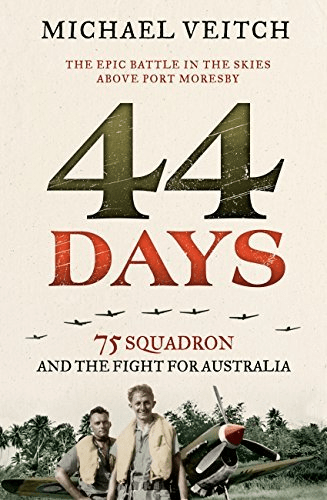
“44 Days” by Michael Veitch

In March and April 1942, RAAF 75 Squadron bravely defended Port Moresby for 44 days when Australia truly stood alone against the Japanese. This group of raw young recruits scrambled ceaselessly in their Kittyhawk fighters to an extraordinary and heroic battle, the story of which has been left largely untold.

The recruits had almost nothing going for them against the Japanese war machine, except for one extraordinary leader named John Jackson, a balding, tubby Queenslander – at 35 possibly the oldest fighter pilot in the world – who said little, led from the front, and who had absolutely no sense of physical fear.

Time and time again this brave group were hurled into battle, against all odds and logic, and succeeded in mauling a far superior enemy – whilst also fighting against the air force hierarchy. After relentless attack, the squadron was almost wiped out by the time relief came, having succeeded in their mission – but also paying a terrible price.
” From the publisher.

Of the pilots who came together to form 75 Squadron, only four could be regarded as being experienced in combat. Joining them were pilots whose experience ranged from short periods serving on active squadrons to being fresh out of training. They were expected to get to grips with their new Kittyhawks and then fly them to Moresby where they would almost immediately go up against Japanese flyers who, as the Australians trained in Queensland, flew unhindered over Moresby and its surrounds, taking their time to select targets during the two or three daily raids on the town.

The first four Kittyhawks arrived at 7-Mile on 21 March and all were damaged by gunfire from twitchy soldiers who had been promised the arrival of the ‘Neverhawks’ for months. Shortly after being repaired, two of the fighters intercepted and shot down a ‘Sally’ much to the joy of the weary defenders on the ground. The next day, the squadron mounted a strafing attack on the Japanese aircraft lined up at Lae on the other side of the Owen Stanley ranges. The attack officially announced the arrival of the Australians to the Japanese and there was now to be no let up. The Kittyhawk pilots rarely had time to climb to the height of the bombers as they sailed over Moresby and, of course, there was no point dogfighting the ‘Zeroes’. Accidents, regular strafing attacks and air combat losses always had 75 Squadron on the back foot, but like much of the Allied effort at the time, there was no giving up. The most important thing was that they were there. There was resistance and the Japanese had to pay attention.

As the number of Kittyhawks was whittled down, the Americans arrived and the Australians were soon escorting A-24 dive-bombers. While the Americans suffered heavily as well, it was the beginning of a build-up that would see the airfields around Moresby house an impressive striking force and something the Japanese, ever more stretched as the war progressed, failed to counter effectively with what became sporadic attacks with little follow up to keep the pressure on.

These young men, who lost their superb leader after a little over a month of hectic operations, made a stand and held the line to allow time for further Allied air assets to arrive. Several were killed. Others were shot down and made it back to the squadron shortly thereafter or, in the case of Wilbur Wackett, after a month in the jungle. When the squadron finally left to return to Australia, immediately following a strafing attack by ‘Zeroes’, just one Kittyhawk was left to make the flight.

One theme throughout the book is that the squadron was let down at every turn and by every level above. Terrible living conditions, bad food, the clique, and little recognition for their work, just had to be overcome. Senior leadership back in Australia had little idea and were in quite a flap as they scrambled to catch up. That didn’t stop them from criticising the good work the squadron managed to achieve in these conditions, however, and that criticism led to something that should never have happened. 

A great read that runs along at a cracking pace. I knew nothing about Australia’s first real offensive against the Japanese and the exploits of the 75th squadron should be remembered with the same gratitude of the 39th Battalion on Kokoda only a short while later.

Guru the fallible

My latest post was wrong. There I have said it.

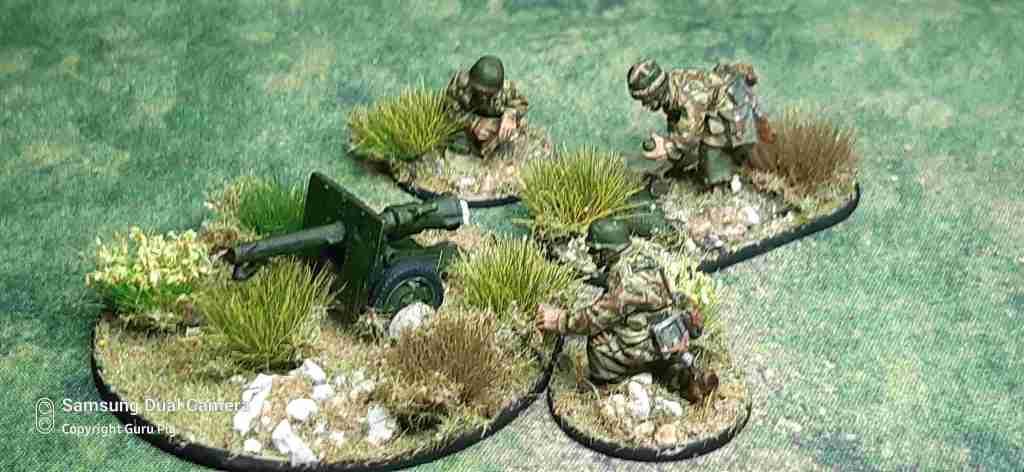
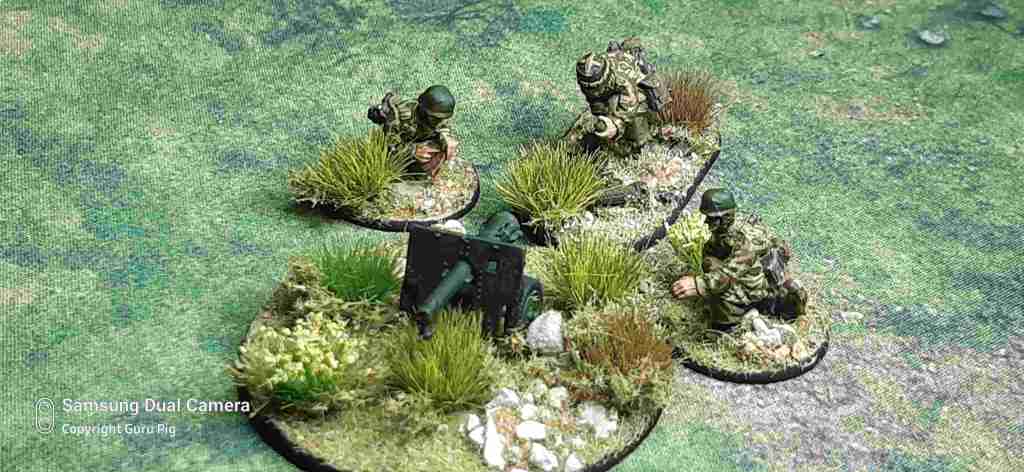
The model was not of Panzerbusche 41. Thanks to John of “Just Needs Varnish” fame for putting me right on this piece of artillery. The model IS that of a Leichtgeschütz 40 (LG 40) 105cm gun.

“I recognize that I’m human, and the older I get, the more I realize how fallible I am, how fallible we all are” – Roxane Gay

The post has been updated. Thanks John

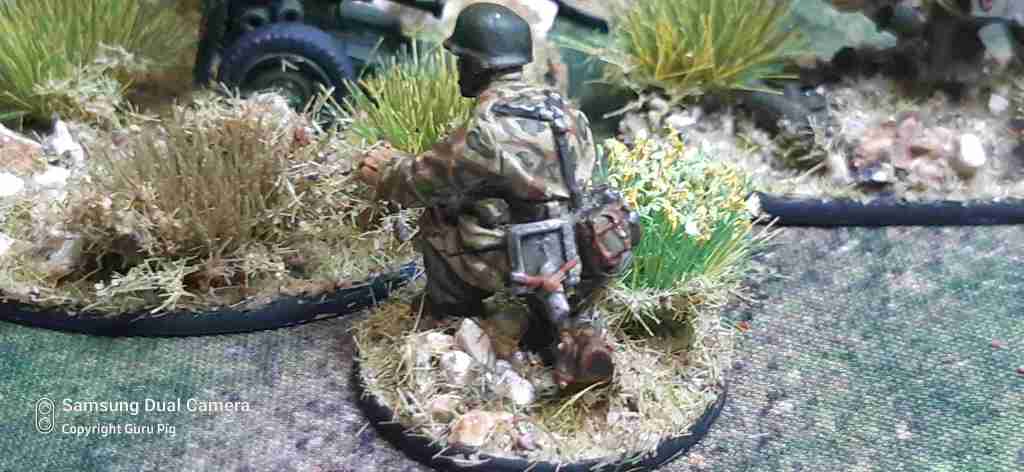
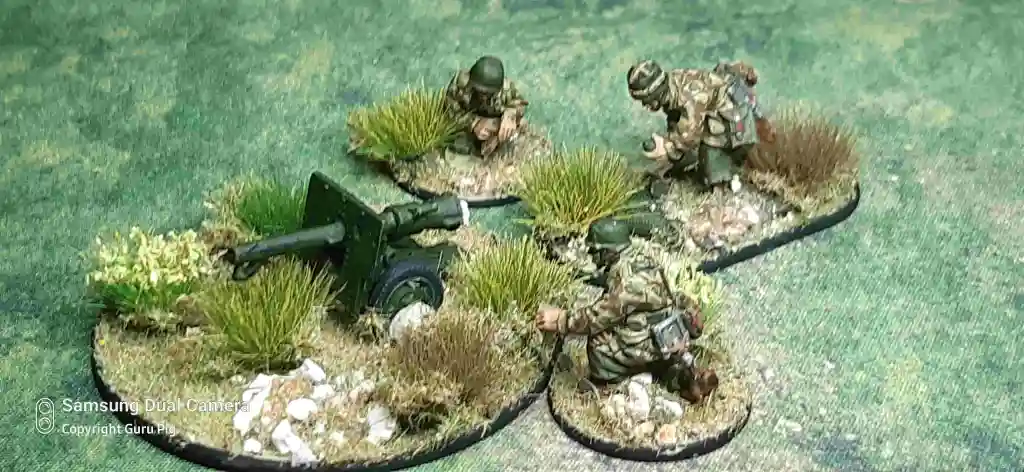
WW2 Fallschirmjaeger – 10.5cm LG40/1 recoilless artillery (1943-45)

Thanks to John of “Just Needs Varnish” fame for putting me right on this piece of artillery. I had wrongly thought it to be the Panzerbusche 41 which it is clearly not. This post has been updated as a result of John’s excellent advice. The model IS that of a Leichtgeschütz 40 (LG 40) 105cm gun.

Following the success of the 7.5 cm Leichtgeschütz 40 during the Battle of Crete, both Rheinmetall and Krupp developed larger caliber recoilless guns, with Krupp’s design entering service first. This larger weapon featured the same overall design as the manufacturer’s failed competitor to Rheinmetall’s LG 40, with the addition of torque vanes, which ensured its nozzles didn’t get clogged.

The 10.5 cm LG 40 was certainly larger than its 7.5 cm counterpart, weighing 855 pounds and stretching over six feet. It fired the same shells as the 10.5 cm leFH 18, which allowed for current stockpiles to be used, saving money and precious materials. It had a muzzle velocity of 1,099 feet per second and an effective firing range of 8,695 yards.

Various artillery batteries used the 10.5 cm LG 40 in the latter stages of World War II. The 20th Mountain Army equipped it in the Arctic, while the Army Group Center used it in central Russia.

When deployed, the gun could be broken down into five parts or air-dropped as a single unit in a shock-absorbing crate.

Technical Data:

Type: Leicht Geschütz

Calibre: 10.5 cm
Length: 1.902 m
Weight: 388 kg
Breech: side opening, percussion fired
Recoil:
Carriage: box trail
Elevation: -15° to +40°30
Traverse: 80°
Rate of fire: rounds per minute
Muzzle velocity: m/s
Effective range: m
Shell Weight: 14.80 kg
Used by: Heer
Variants:
10.5 cm Leicht Geschütz 40/1 alloy mountings
10.5 cm Leicht Geschütz 40/2 steel mountings

More great paintwork from S.O.G. Makes a great mini diorama as well as an excellent gaming piece.

Most of the information in this post was obtained from Wart History online.

Green Armour by Osmar White

I was really pleased to be able to pick this book up. It is one of the classic first person accounts of the early early war in New Guinea.

Osmar White was born in New Zealand in 1909, and worked in Sydney in the late 1920s before moving to South East Asia and China, where he wrote features and short stories for Australian and American papers. Around 1934 he returned to New Zealand, and then joined the Melbourne Sun News-Pictorial in 1937. He enlisted in the AIF in 1941, but was ‘manpowered’ out by Sir Keith Murdoch who said ‘Oh we don’t want you rushing around with a pack on your back, you’ll fight the war with your pen, dear boy’.

Arriving in Port Moresby in June 1942, White set off with Damien Parer on an epic journey up the Bulldog Track to report and photograph Kanga Force, 2/5th commandos fighting the Japanese around Salamaua and Wau, near Lae. This trek was the basis of White’s great book of the New Guinea war, Green Armour.

With Parer and Chester Wilmot, White reported on the Kokoda Track in August, and was badly wounded while on an American ship bombed by the Japanese in the Solomons later in that year.

While recovering in Melbourne, he wrote Green Armour.

Journalist Osmar White’s gripping story of the Australian and American forces’ struggle against the Japanese invasion of New Guinea in 1942-43 is stark, vivid, chilling. White is true to his sources – four ‘dog-eared notebooks’ and his original newspaper dispatches – but it is his sharp recollection of the terrible battles and the courage and endurance of his friends, etched forever on his memory, that makes Green Armour truly unforgettable. White is a first-class writer, with an extraordinary story to tell.” from the publisher.

Excellent first person account by an Australian war Correspondent of the fighting on the Kokoda Trail and later, with the American Army, on New Georgia. He highlights the lack of preparedness of the Australian forces deployed to New Guinea to blunt the Japanese in the early days of 1942.

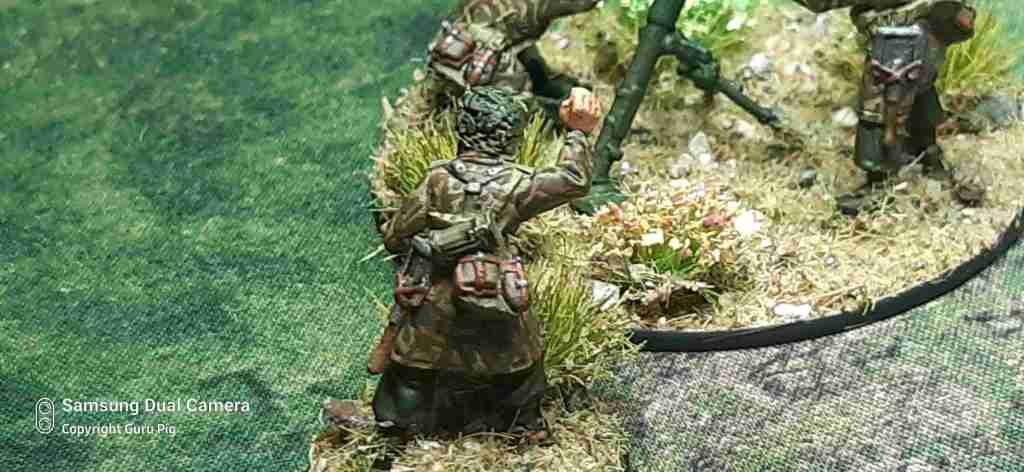
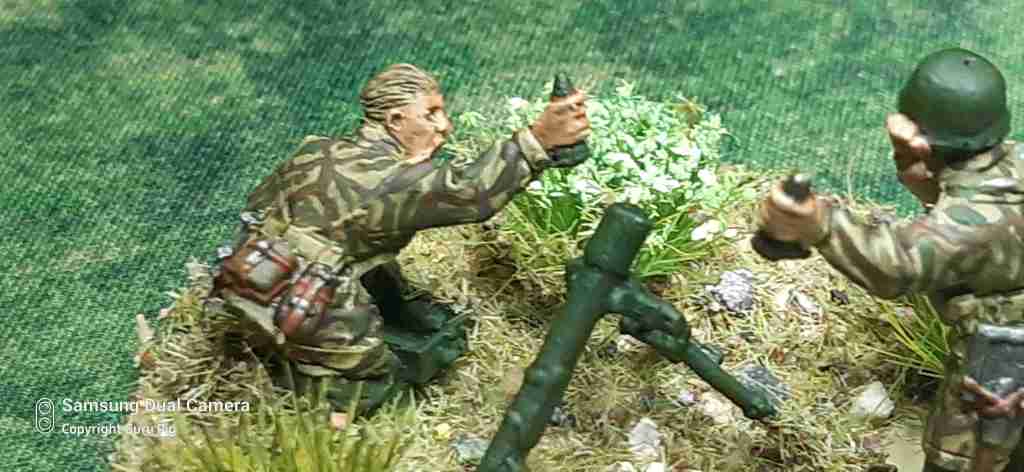
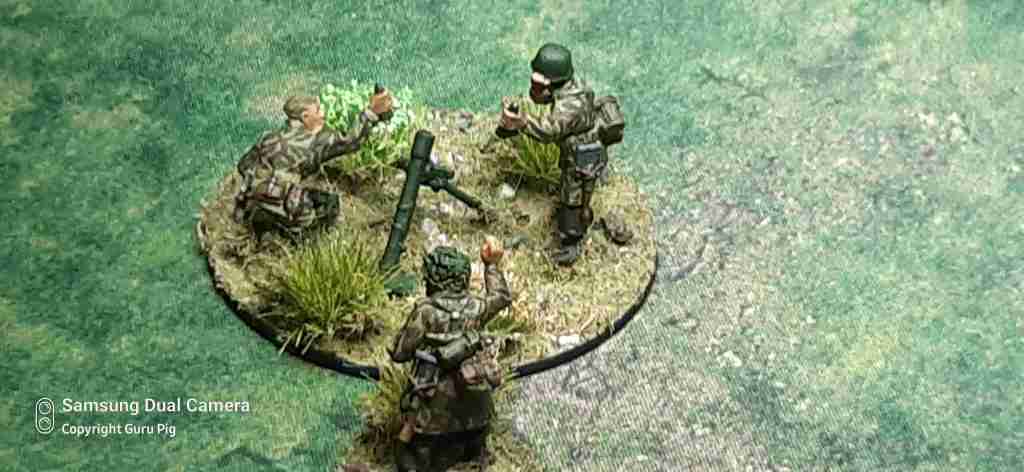
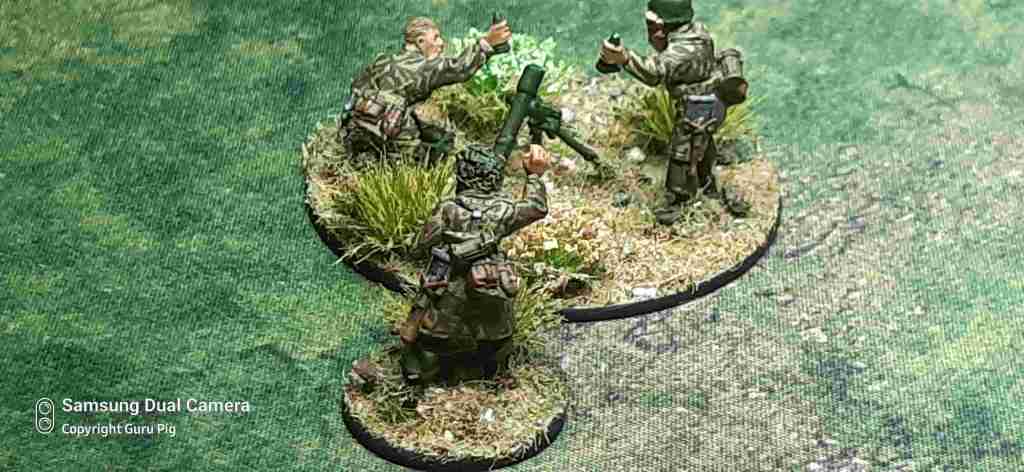
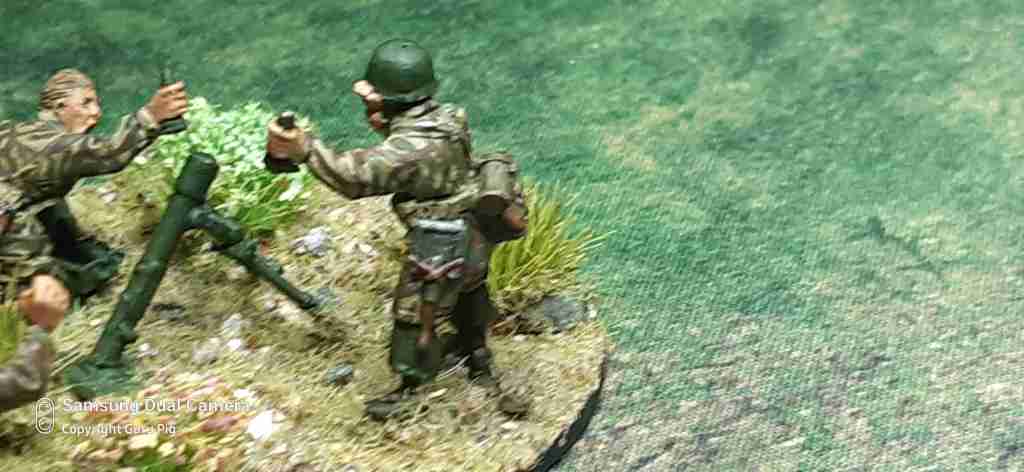
WW2 Fallschirmjaeger – 81mm Mortar (2) – 8 cm Granatwerfer 34

The 8 cm GR W 34 was the standard German Army heavy mortar of the Second World War. The mortar consists of a baseplate, tube and adjustable bipod.

The mortar tube is smoothbore and is slightly tapered toward the base. The tube is made from ordnance steel.

The mortar has a safety mechanism and also an adjusting device at the base ring that varied the length of the firing pin.

The bipod includes cross levelling, elevating and traversing mechanisms. The legs and all other nonsliding parts are made of light white metal.

The legs which have spikes and feet at the bottom are adjusted to any of six positions by a lever and locking gears.

The bipod is hinged and is easily folded for transportation. The base plate is rectangular in shape and supports the mortar tube using a ball and socket mount.

More great paintwork from S.O.G.

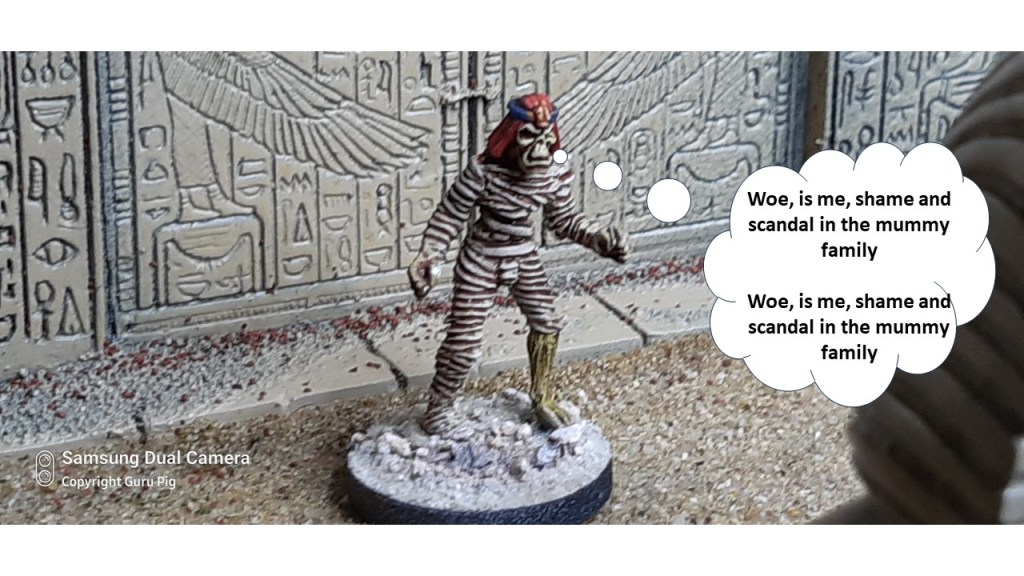
Shame and scandal in the mummy family

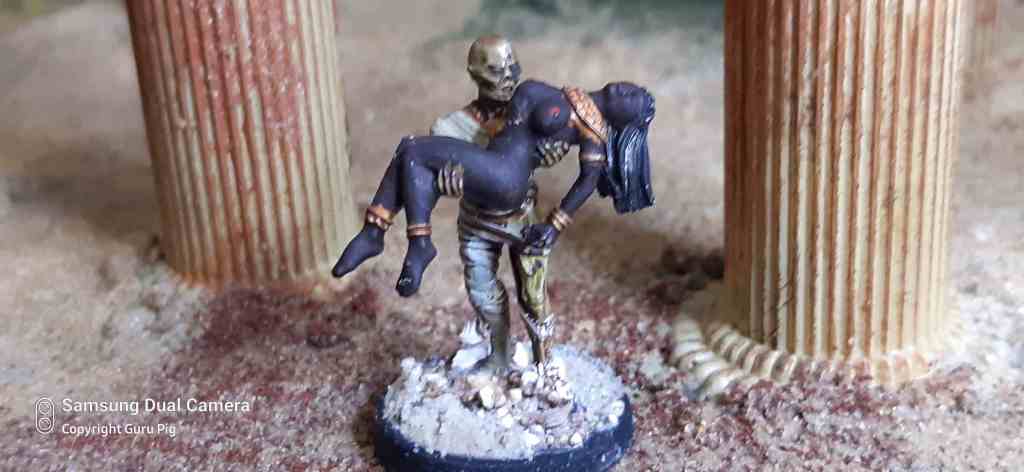
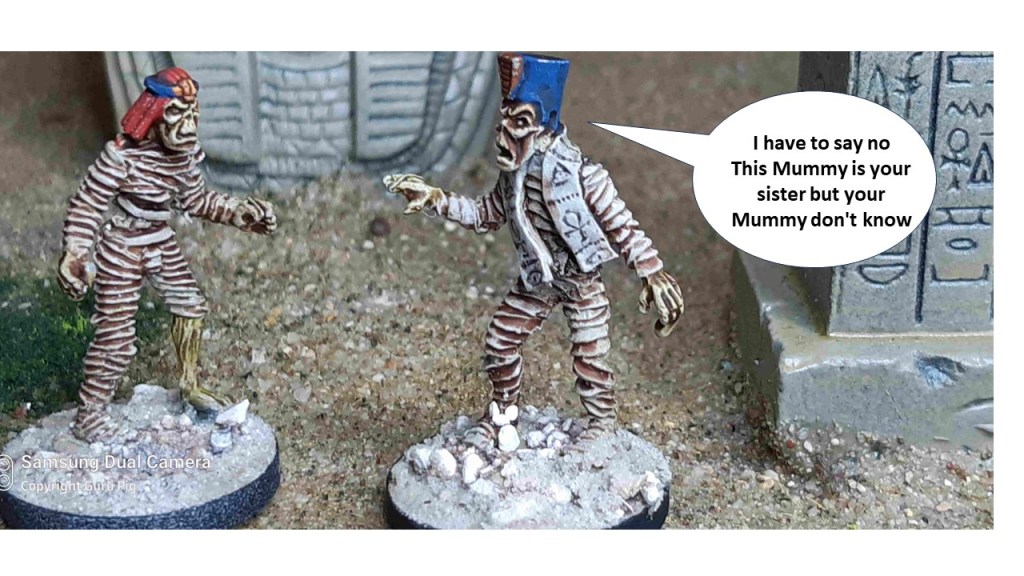
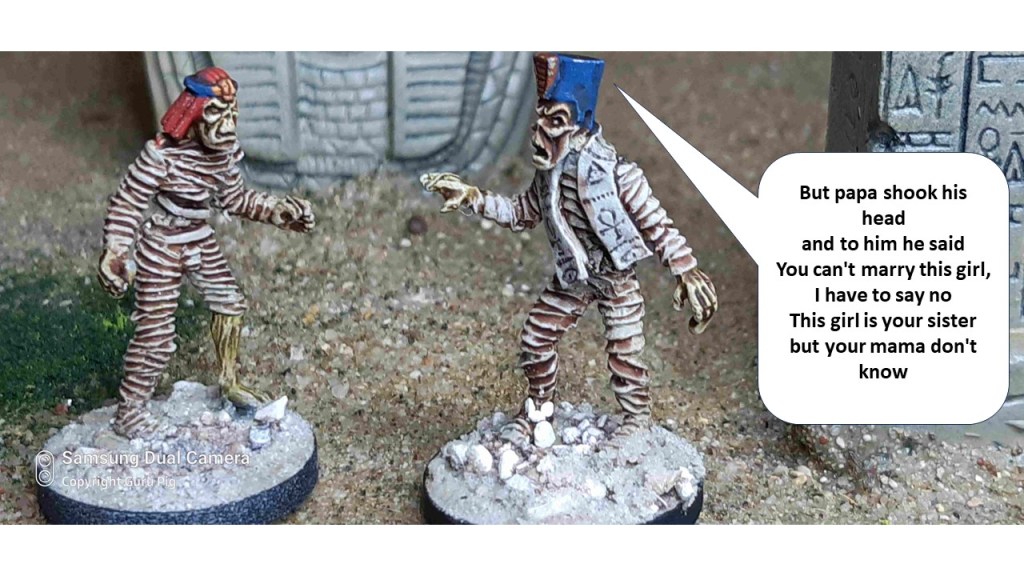
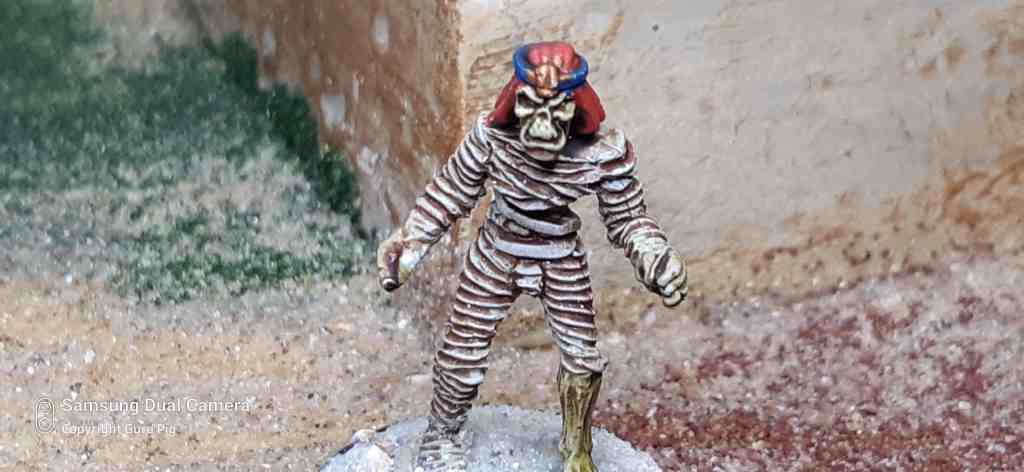
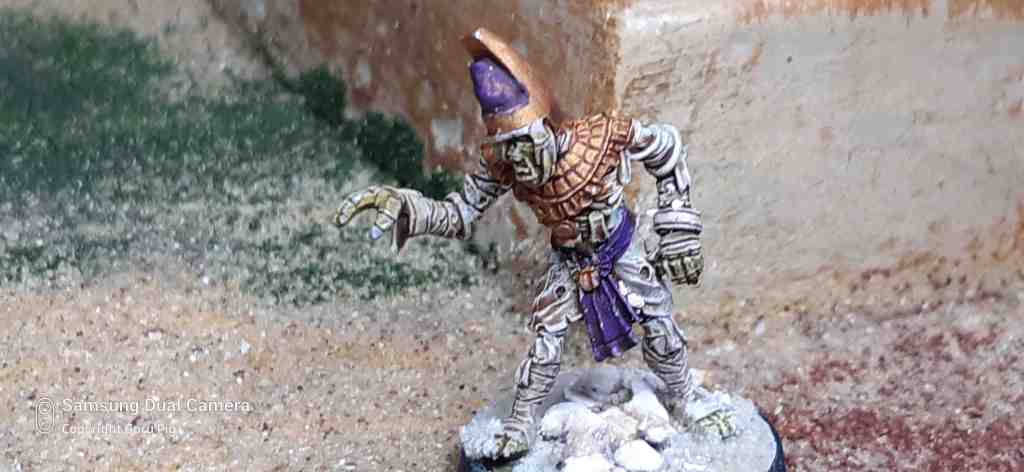
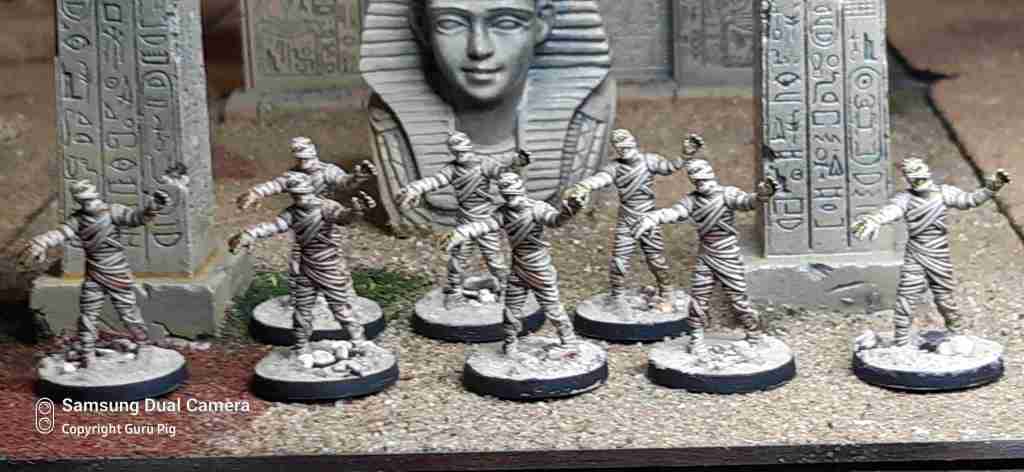
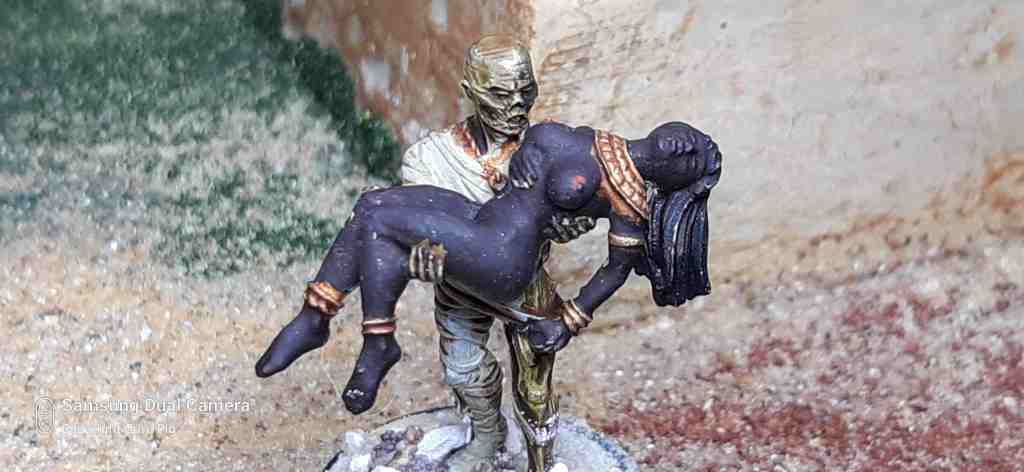
I needed to paint up some mummies for Silver Bayonet so here they are. With apologies to Shawn Elliot.

In Egypt there was a mummy family
With much confusion as you will see
It was a Daddy mummy, a Mummy mummy, and boy mummy who was grown
Who wanted to marry and have a mummy wife of his own

He found a young girl, that suited him nice

And went to his Daddy mummy to ask his advice
The Daddy said son:

A week went by and the summer came ’round
And soon the best cook on the Nile he found
He went to his papa to name the date

He went to his mama and covered his head
And told his mama what his papa had said
His mama she laughed, she said:

The mummy soft shoe shuffle!

Tomorrow something a little less serious!

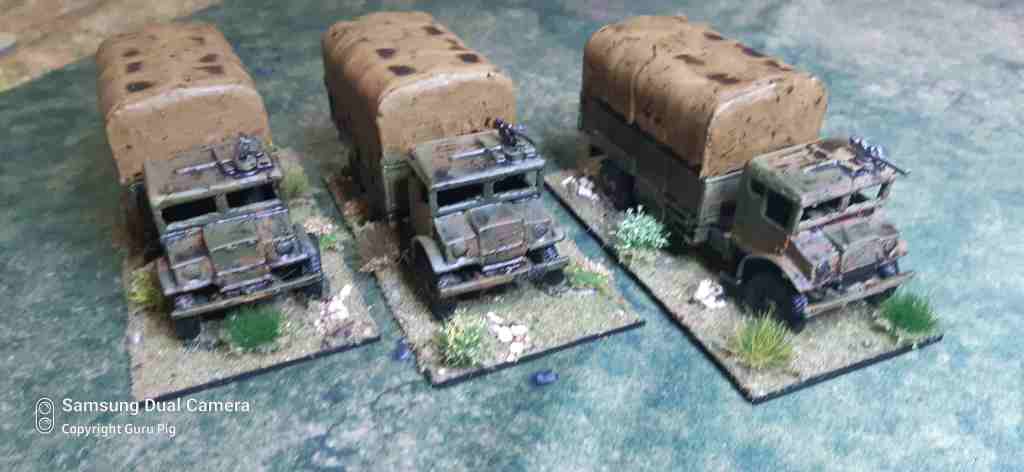
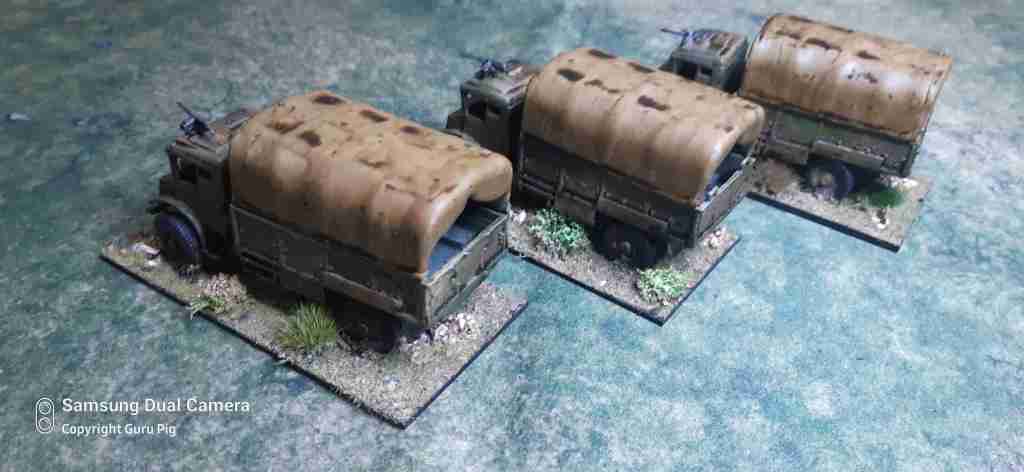
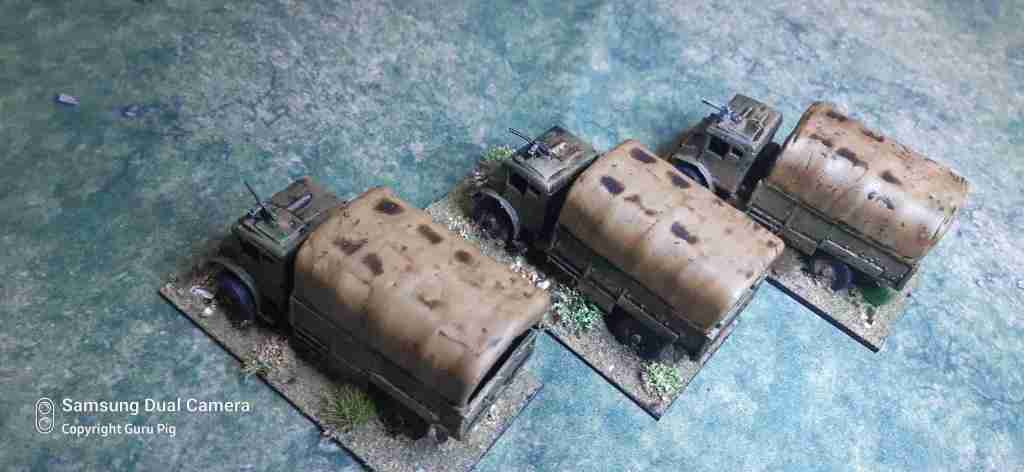
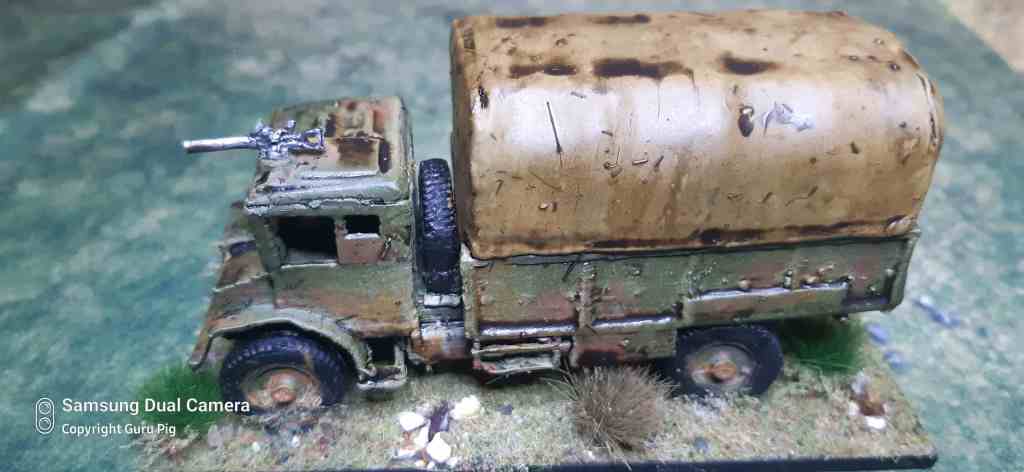
The Motor Pool – Bedford QLT 3 ton 4×4 Cargo Trucks


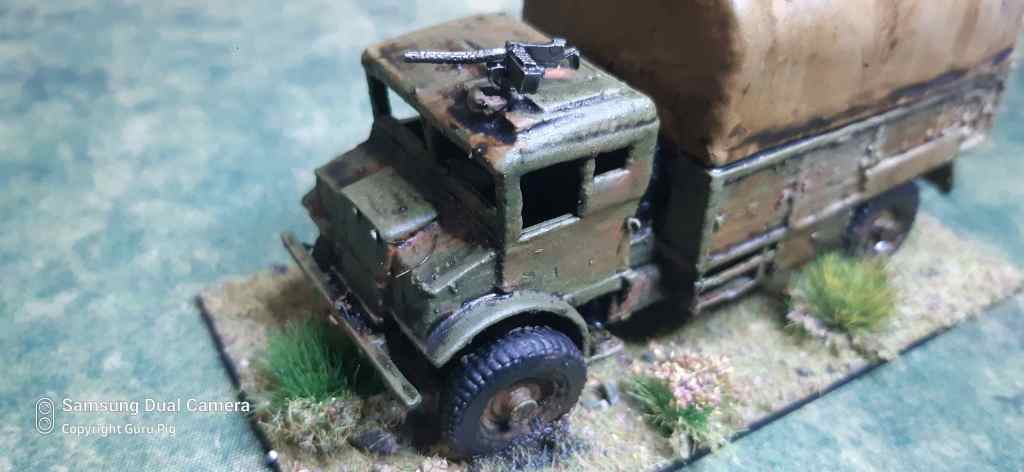
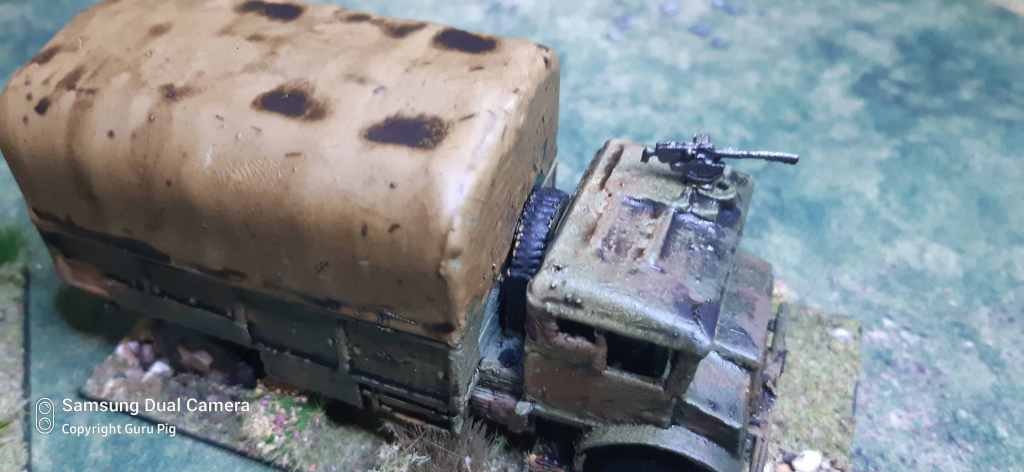
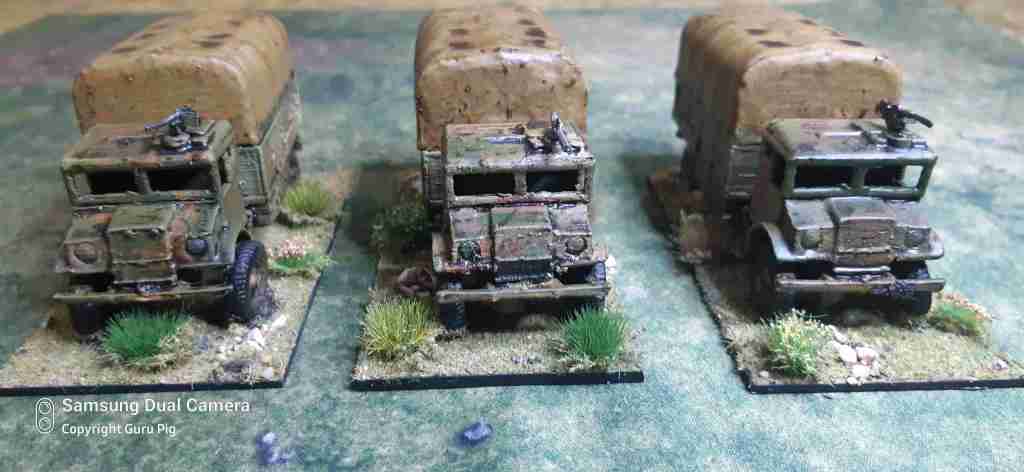
The Bedford QL was a series of trucks, manufactured by Bedford for use by the British Armed Forces during World War Two. At the outbreak of WW2, Bedford was contracted by the British War Office to produce a 3 ton 4×4 general service truck. A pilot model was ready in February 1940 and quantity production started in March 1941. The Bedford QL was in production from 1941 to 1945 and was Bedford’s first vehicle series built for the military. A total of 52,240 were built.

RD very generously gave me these 3D prints for my Very British Civil War British Union of Fascists which I have just splashed on some paint to fit in with the rest of my vehicles.

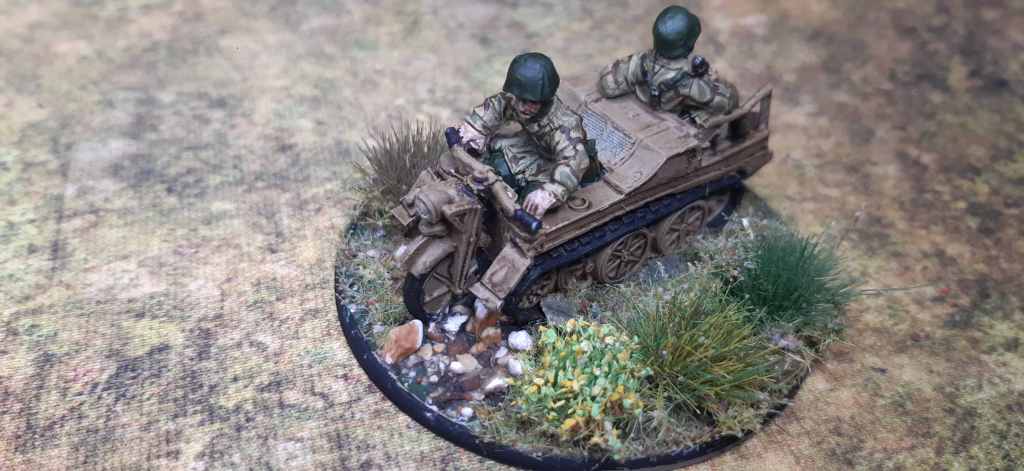
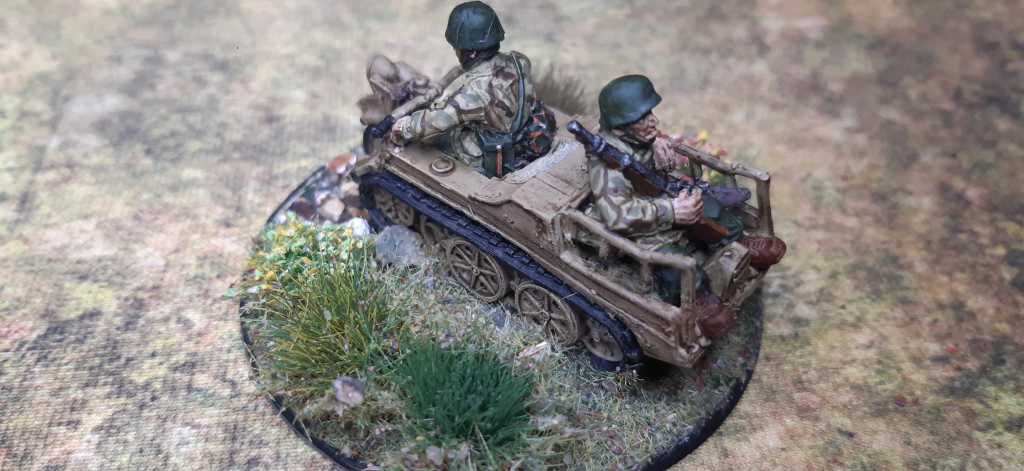
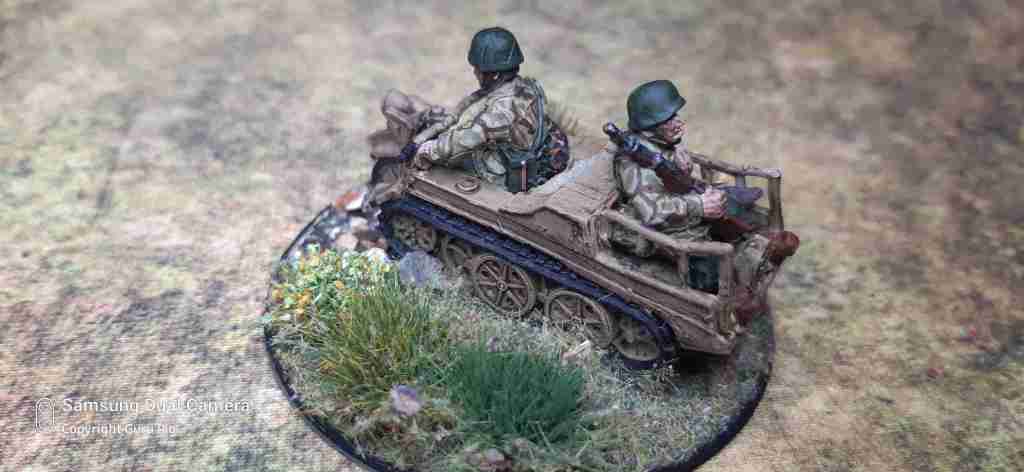
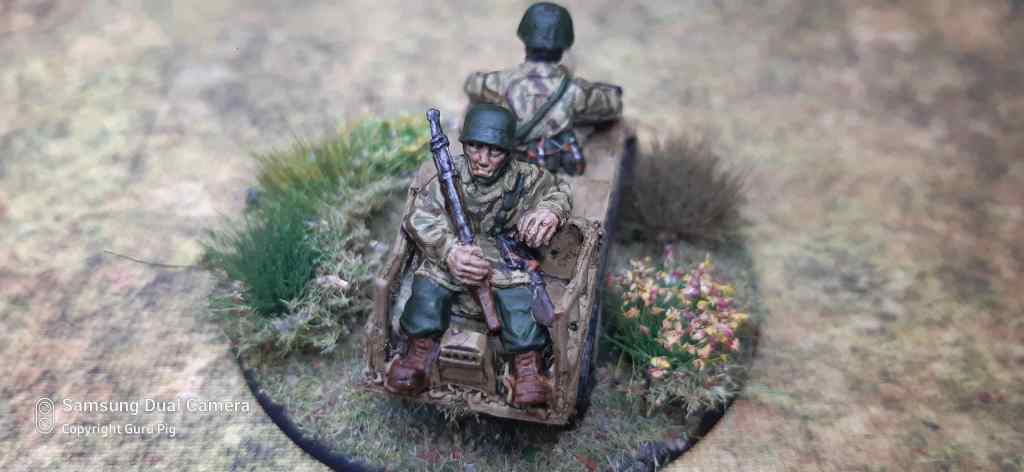
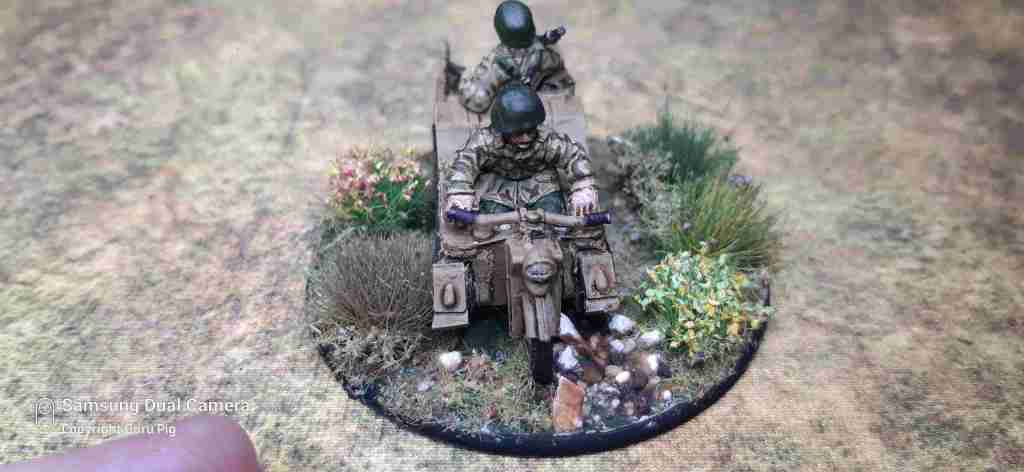
WW2 Fallschirmjaeger – Sd.Kfz. 2 Kettenkrad Gun Tow

Fallschirmjaeger Kettenkrad in Crete.

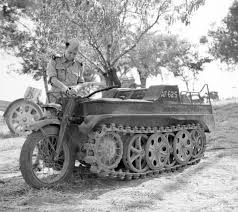
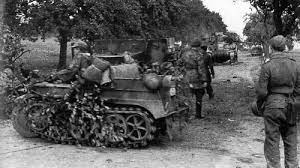
The Kettenkrad is a truly unusual vehicle for the simple fact that no other vehicle like it has entered service, either before or after. It combines features of a motorbike with a tracked chassis, a combination that looks as weird as it sounds but actually became one of the most capable vehicles in existence over rough ground.
Measuring just 1 meter wide and capable of reaching 44 mph, the Kettenkrad was a mobile, nimble and fast little machine that could go anywhere and do anything.

And that is exactly what happened: the Kettenkrad would be used from laying cables across the battlefield, to towing German jet fighters.

The HK 101 officially entered service as the Sd.Kfz. 2 in 1941. It was better known as the Kettenkrad, a name derived from “ketten”, which is German for “tracks”, and “krad”, which is a shortened version of German word for “motorcycle”; “kraftrad”. Therefore, Kettenkrad means “tracked motorcycle”.

I am really pleased with how this one came out.

Charity Shop Raid

We were driving past our favourite charity shop this morning and decided to have a peek inside. I am normally able to find a book or two, but today hit the jackpot!

I was able to pick up 18 Military History books (some of them quite expensive to buy new) and 12 of Stine’s Goosebumps books for the grandchildren1

The books included, “The Battle for Long Tan“, “Battle of Crete”, “Stalingrad” (which I already have but bought to give it away), “Exit Wounds” on the Australians in Afghanistan, The “Battle of Wau” (very hard to get the Cambridge version), and “John Curtin’s War Vol 1“, (the Australian War Time Prime Minister).

There was also “My War” on Z Force in Borneo, “The Spirit of the Digger“, “The Battle for Hell’s Island” (Guadalcanal), and “Fromelles” on the Battle and the finding of the Australian WW1 graves and their identification.

Two of Les Carlyon’s famous works “The Great War” and “Gallipoli“, and Mike Carlton’s “Cruiser” on HMAS Perth.

Morehead’s “The Mediterranean Front” (a classic), “Tobruk 1941“, “SAS Insider“, and “To the Sound of Gun Fire” (WW2 Western Front) rounded out the pillage.

All of these for under AU$36.00. Whoopee!